2000 People at Berlin Solidarity Protest for Iranians - Iran’s Protests Enter Third Week as Communications Blackout Eases Gradually
Protests in Iran have entered their third week as authorities begin easing a nationwide communications blackout. The unrest started on 28 December over economic struggles but quickly grew into a wider challenge against the country’s leadership. Meanwhile, international calls and text messages have slowly been restored after days of near-total disruption.
The protests erupted on 28 December, initially driven by rising living costs and financial hardship. Within days, they expanded into a broader movement demanding political and religious reforms. In response, Iranian authorities launched a harsh crackdown, with rights group Iran Human Rights reporting at least 3,428 protesters killed so far.
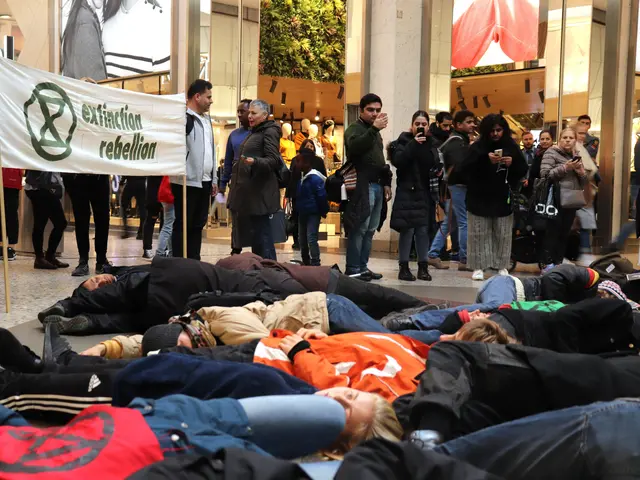
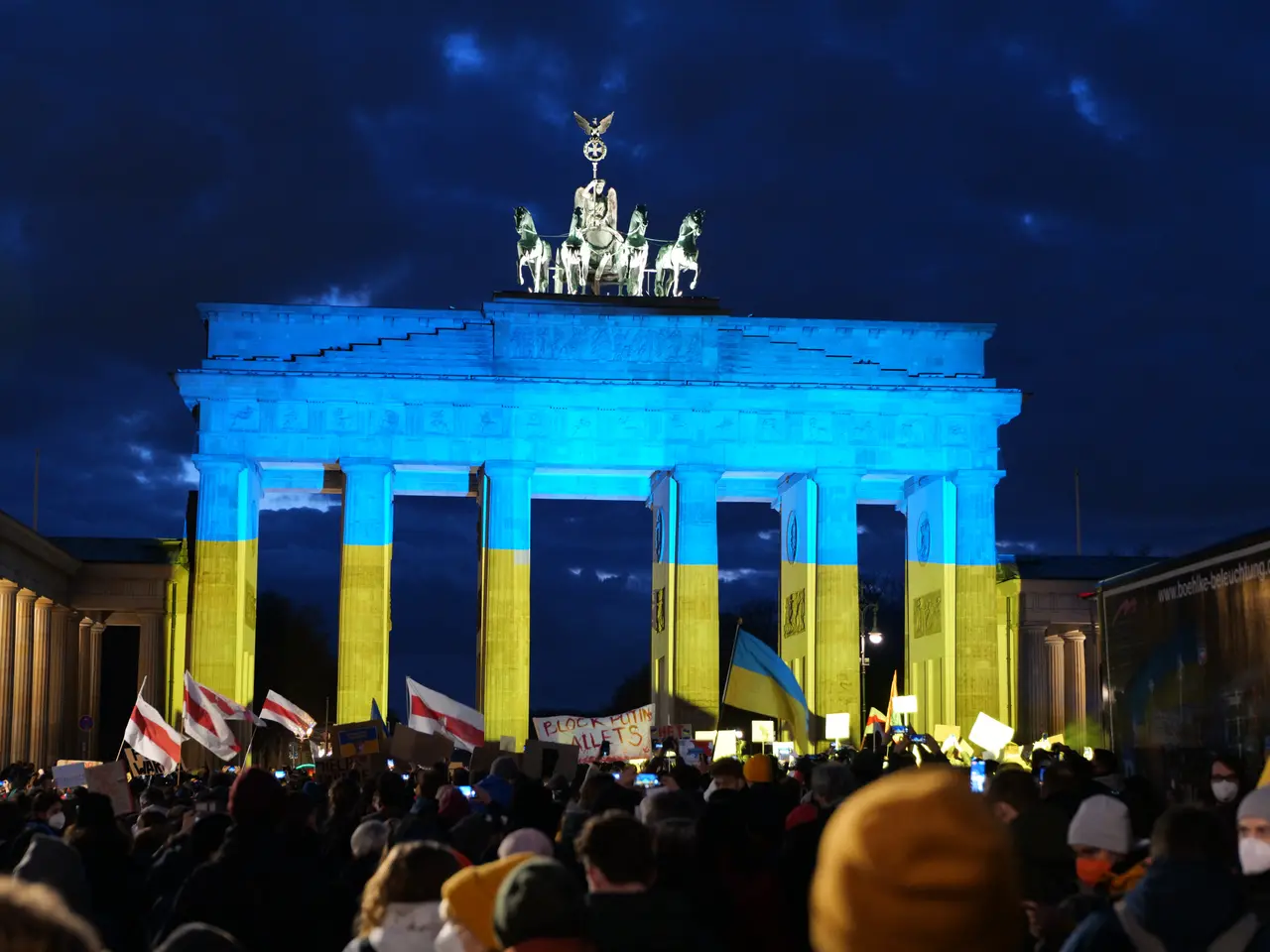
On 8 January, the government imposed a sweeping communications blackout, severing internet, landline, and mobile networks. The shutdown lasted nearly ten days, isolating protesters and limiting outside reporting. By Sunday morning, some connections began returning—AFP’s Tehran bureau briefly regained access, though most providers and mobile data remained blocked. Authorities later announced plans to gradually restore services. Outgoing international calls resumed on Tuesday, while text messaging returned on Saturday. Despite the easing, many restrictions persist. Abroad, solidarity rallies have taken place. In Berlin, around 2,000 people gathered on 16 January in support of Iranian protesters. The event, organized by a coalition of civil society groups and the Left Party, proceeded without major incidents. Maryam Palizban, a spokesperson for the coalition, condemned the violence, stating: ‘The dead are too many to count. The Islamic Republic extinguishes the light to commit violence. We must be louder than their darkness so that the voices of the Iranian people do not disappear.’ No further protests in Berlin have been reported since.
The partial restoration of communications follows one of Iran’s deadliest crackdowns in years. While some services return, the government’s repression continues, with thousands confirmed dead. The protests, now in their third week, show no signs of fading as international solidarity grows.
Read also:
- American teenagers taking up farming roles previously filled by immigrants, a concept revisited from 1965's labor market shift.
- Weekly affairs in the German Federal Parliament (Bundestag)
- Landslide claims seven lives, injures six individuals while they work to restore a water channel in the northern region of Pakistan
- Escalating conflict in Sudan has prompted the United Nations to announce a critical gender crisis, highlighting the disproportionate impact of the ongoing violence on women and girls.