Israel-Egypt Gas Deal: Trade in the Shadow of Gaza
Economic ties between Israel and several Arab nations remain strong despite the ongoing Gaza conflict. Trade agreements, energy deals, and high-tech partnerships continue, even as public opposition to normalisation grows across the region.
The gap between official policies and public sentiment has widened, with leaders prioritising economic benefits over political solidarity with Palestinians.
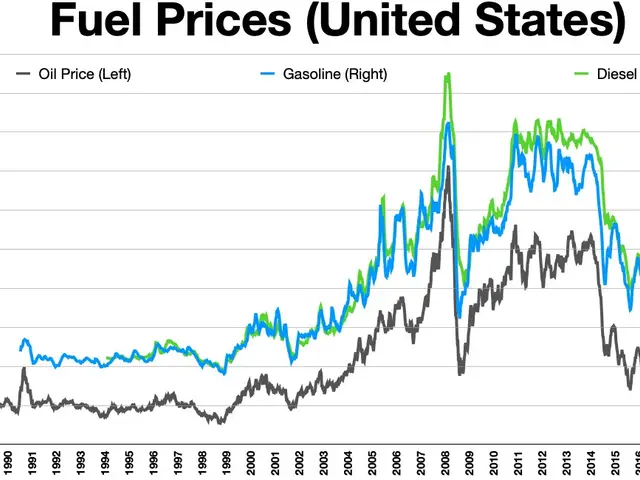
Egypt recently finalised a €30 billion deal to import natural gas from Israel. The agreement, which includes gas for domestic use and re-export to Europe, drew criticism from Egyptians opposed to cooperation with Israel. In response, Cairo’s State Information Service issued defensive statements, acknowledging the controversy.
Jordan also receives Israeli gas, while Bahrain, Morocco, and the UAE have expanded trade with Israel since the Gaza war began. The UAE, in particular, views Israel as a vital partner in technology and innovation. Even Turkey, which has adopted a harsh anti-Israel stance, has not enforced a full boycott—oil shipments from Azerbaijan still pass through Turkish territory en route to Israel.
Anwar Gargash, a senior Emirati official, previously highlighted the strategic benefits of engagement with Israel. Egyptian President Abdel Fattah el-Sisi, aware of the unpopularity of such deals, has not altered course. Peace treaties between Israel and multiple Arab states remain in place, ensuring routine commercial exchanges continue.
Arab governments show no signs of shifting their economic policies toward Israel. Energy imports, trade growth, and high-tech collaboration persist, despite widespread public opposition in the wake of the Gaza conflict. For now, economic interests and strategic partnerships outweigh political pressure for boycotts or sanctions.
Read also:
- American teenagers taking up farming roles previously filled by immigrants, a concept revisited from 1965's labor market shift.
- Weekly affairs in the German Federal Parliament (Bundestag)
- Landslide claims seven lives, injures six individuals while they work to restore a water channel in the northern region of Pakistan
- Escalating conflict in Sudan has prompted the United Nations to announce a critical gender crisis, highlighting the disproportionate impact of the ongoing violence on women and girls.