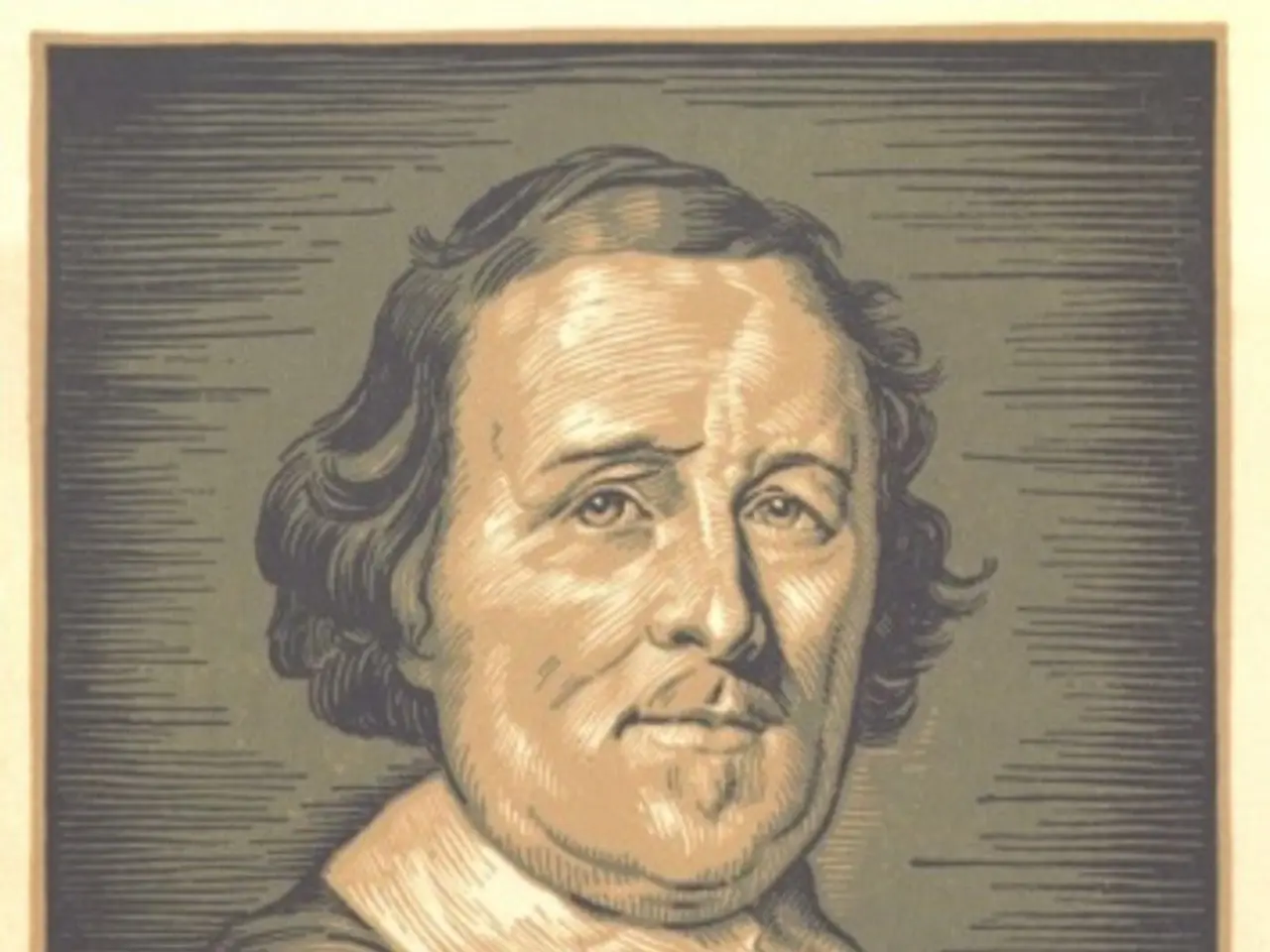
Steinmeier and Merz honor deceased philosopher Habermas - Jürgen Habermas, Germany's towering philosopher of democracy, dies at 96
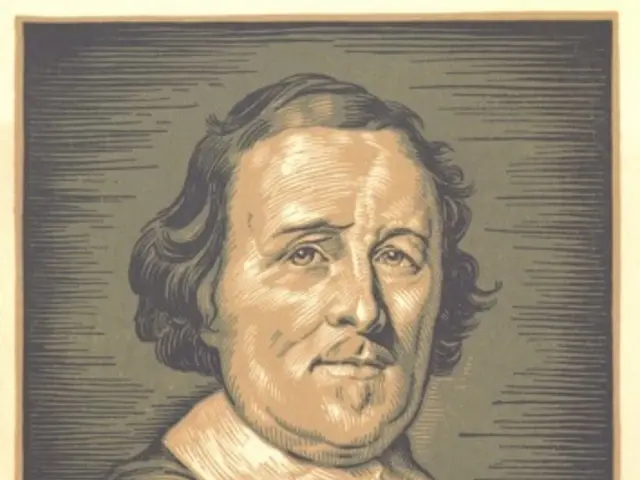
Jürgen Habermas, Germany's most influential contemporary philosopher, has died at the age of 96. The renowned thinker passed away on Saturday in Starnberg, leaving behind a legacy of intellectual engagement and democratic discourse. Leaders across the country have paid tribute to his lifelong contributions.
Habermas was known as a sharp and combative intellectual who shaped political debates for decades. His work spanned sociology, philosophy, and ethics, earning him international acclaim. German President Frank-Walter Steinmeier described him as a 'great Enlightenment thinker' who explored modernity's contradictions and championed democratic dialogue.
Steinmeier noted that Habermas remained in active conversation with him until his death. The philosopher felt a duty to speak out against violence and injustice, even in his later years. Steinmeier added that Germany owes Habermas an 'immeasurable debt' and that preserving his ideas remains a vital task. Chancellor Friedrich Merz also honoured Habermas, calling him 'one of the most significant thinkers of our time.' His sociological and philosophical writings became a 'beacon in stormy seas' for democratic society. Merz emphasised how Habermas influenced generations of scholars and public discourse. Throughout his career, Habermas engaged with pressing global issues. In the 2010s, he critiqued the European debt crisis, advocating for fiscal solidarity. He also opposed right-wing populism, challenging movements like Germany's AfD and the rise of figures such as Donald Trump in the US. His critiques extended to nationalism within the EU, migration policies after 2015, and the ethical dilemmas of digitalisation. Earlier, in 2003, he co-signed an anti-war appeal against the Iraq invasion alongside philosopher Jacques Derrida. More recently, during the COVID-19 pandemic, he examined its impact on public discourse and social solidarity.
Habermas leaves behind a body of work that reshaped democratic thought and public debate. His ideas on justice, modernity, and cosmopolitanism will continue to influence political and philosophical discussions. Leaders and scholars alike have acknowledged his enduring impact on society.
Read also:
- American teenagers taking up farming roles previously filled by immigrants, a concept revisited from 1965's labor market shift.
- Weekly affairs in the German Federal Parliament (Bundestag)
- Landslide claims seven lives, injures six individuals while they work to restore a water channel in the northern region of Pakistan
- Escalating conflict in Sudan has prompted the United Nations to announce a critical gender crisis, highlighting the disproportionate impact of the ongoing violence on women and girls.