Brosda honors Habermas as a giant of the enlightened modern era - Jürgen Habermas, giant of democracy and dialogue, dies at 94
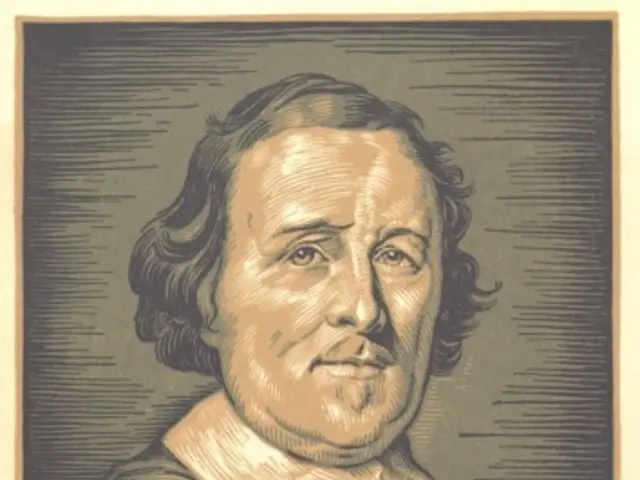
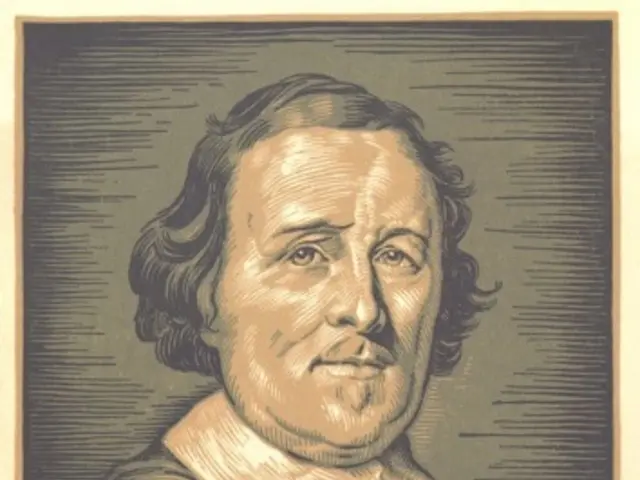
Jürgen Habermas, a leading philosopher of the 20th and 21st centuries, has been remembered as a defining voice in German intellectual life. Hamburg's Culture Senator Carsten Brosda called him a 'titan of the enlightened modern age' following his death. His ideas on democracy, dialogue, and European unity remain influential today.
Habermas built his philosophy on the belief that truth depends on universal acceptance of its justifications. He argued that reason develops not in isolation but through open discussion among informed citizens. This emphasis on dialogue shaped his vision of society, where mutual understanding was both possible and essential.
His work extended far beyond theory. He actively joined public debates, tackling contentious issues like the Historikerstreit—a dispute over how Germany should remember its Nazi past—and the future of the European Union. His interventions became landmarks in German thought, guiding discussions on democracy and collective identity.
On Europe, Habermas pushed for a radical shift. He called for a European constitution to ground democracy and identity across the continent. Without it, he warned, there could be no true political agency for Europeans. His vision included a 'postnational democracy', where national parties engaged in cross-border debates to form a European party system. He also demanded a stronger public sphere, criticising EU elites for excluding citizens from decisions. Germany and France, he argued, should lead this transformation through a 'locomotive consensus', boosting the EU's foreign and security policies.
Brosda's tribute underscores Habermas' enduring relevance, particularly as Europe faces political and social challenges. His ideas on dialogue, democracy, and integration continue to shape debates about how societies can function fairly. The philosopher's legacy lives on in ongoing discussions about reason, participation, and the future of the EU.
Read also:
- American teenagers taking up farming roles previously filled by immigrants, a concept revisited from 1965's labor market shift.
- Weekly affairs in the German Federal Parliament (Bundestag)
- Landslide claims seven lives, injures six individuals while they work to restore a water channel in the northern region of Pakistan
- Escalating conflict in Sudan has prompted the United Nations to announce a critical gender crisis, highlighting the disproportionate impact of the ongoing violence on women and girls.