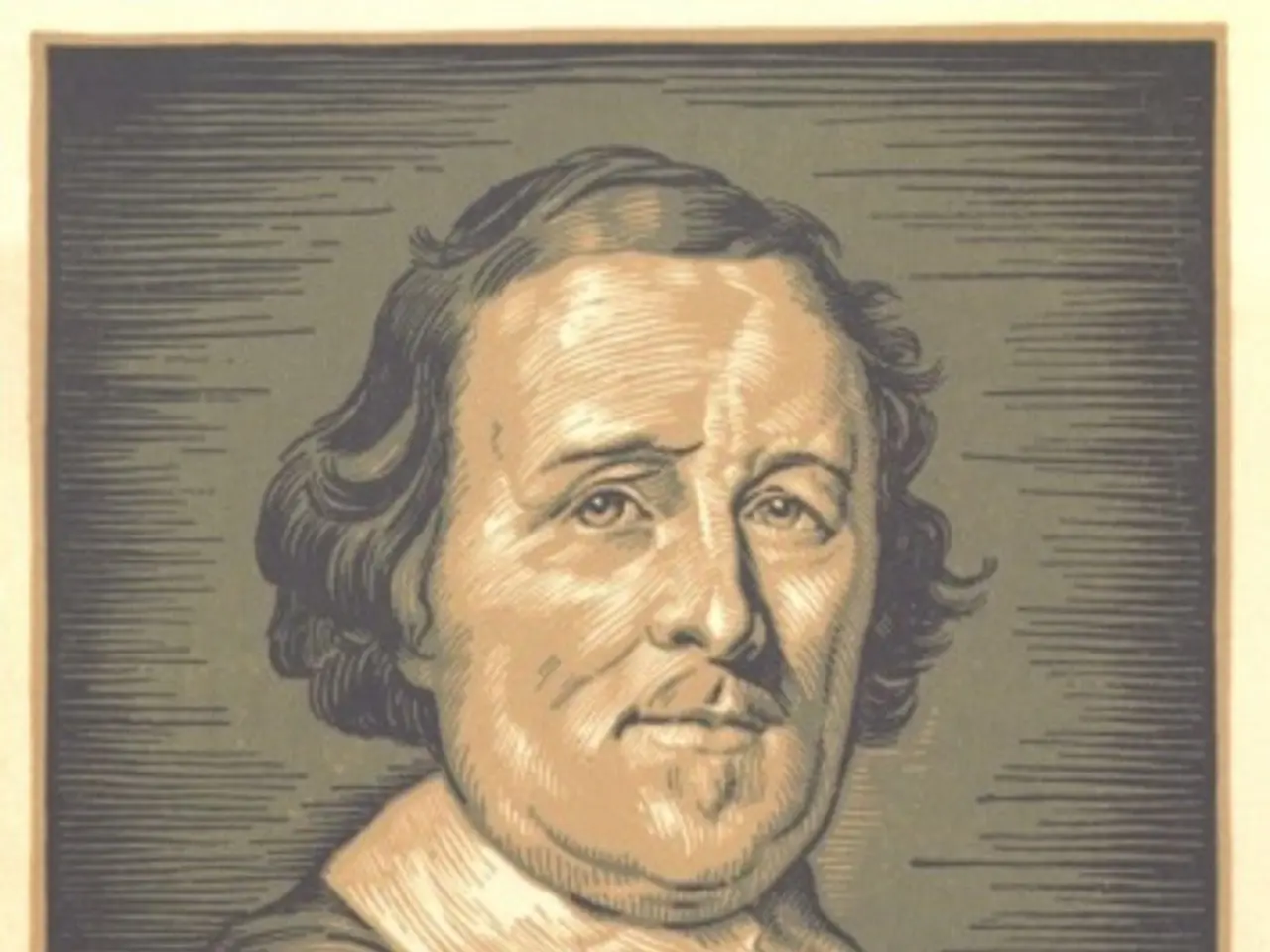
Philosopher Jürgen Habermas Dead - Jürgen Habermas, titan of critical theory and public debate, dies at 96
Jürgen Habermas, Germany's most influential contemporary philosopher, has died at the age of 96. His passing was confirmed by a spokesperson for Suhrkamp Verlag on Saturday in Starnberg. Known for his sharp intellect and deep engagement with public life, Habermas left a lasting mark on political thought and social theory worldwide.
Born in Düsseldorf in 1929, Habermas began his academic journey in 1949, studying philosophy in Göttingen at nearly 20. He first gained wide recognition in 1962 with his postdoctoral thesis, The Structural Transformation of the Public Sphere. This work laid the foundation for his later contributions to critical theory, positioning him as the leading figure of the Frankfurt School's second generation.
His ideas, particularly on communicative action and discourse ethics, shaped modern debates in philosophy and sociology. Books like *The Theory of Communicative Action* cemented his reputation as a thinker who bridged abstract theory and real-world politics. In 1986, he ignited the *Historikerstreit* (Historians' Dispute) by defending the Holocaust's historical uniqueness, a stance that reinforced his role as a moral voice in German discourse. Habermas's influence extended beyond academia. His theories resonated with the 1968 student movement, though he kept his distance from its more radical elements. He remained an active commentator on current affairs, speaking out on issues like the Kosovo War and the 2015 migration crisis. A steadfast advocate for European unity, he pushed for a European constitution and a shared public sphere across the continent. For Habermas, public engagement was not optional but essential. He once declared that political debate was 'the more important task of philosophy'. This belief guided his career, earning him international acclaim and a lasting legacy in both scholarship and civic life.
Habermas's death marks the end of an era for critical theory and public intellectualism. His work on democracy, ethics, and European integration will continue to shape discussions in philosophy and politics. The impact of his ideas, from university lectures to political debates, remains deeply embedded in modern thought.
Read also:
- American teenagers taking up farming roles previously filled by immigrants, a concept revisited from 1965's labor market shift.
- Weekly affairs in the German Federal Parliament (Bundestag)
- Landslide claims seven lives, injures six individuals while they work to restore a water channel in the northern region of Pakistan
- Escalating conflict in Sudan has prompted the United Nations to announce a critical gender crisis, highlighting the disproportionate impact of the ongoing violence on women and girls.