Wolfram Weimer pays tribute to Jürgen Habermas as 'Master Thinker' - Jürgen Habermas, titan of German philosophy and democracy, dies at 96
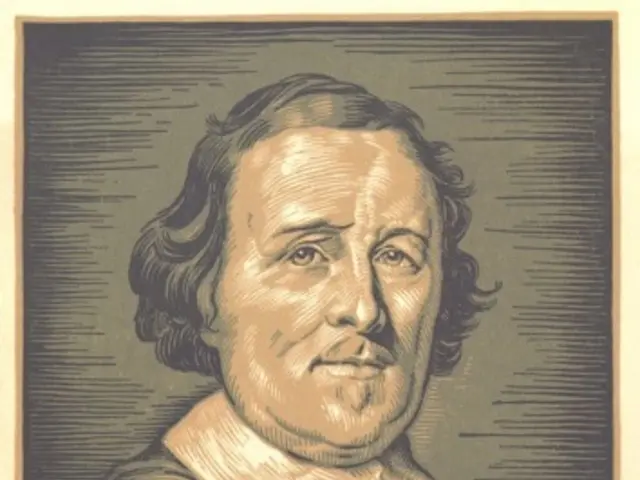
Jürgen Habermas, one of Germany's most influential philosophers and sociologists, has died at the age of 96. He passed away on Saturday at his home in Starnberg, leaving behind a legacy as a defining intellectual of the Federal Republic.
Habermas shaped German democracy through his theory of communicative action, which emphasised the power of rational debate. His idea of the 'forceless force of the better argument' became central to discussions on public reasoning and democratic decision-making.
Throughout his career, he played a key role in major political debates. In the 1968 student movement, he warned against radicalisation that later contributed to the rise of the Red Army Faction (RAF). As a left-leaning intellectual during the social-liberal reforms, he challenged both conservative and radical voices. In the late 1980s, he popularised the concept of *Verfassungspatriotismus* (constitutional patriotism), offering a framework for German identity after reunification. Habermas remained an active moral voice until his death, advocating for democracy, freedom of expression, and a united Europe. His influence extended beyond academia, shaping public discourse on ethics, politics, and national identity.
Culture Minister Wolfram Weimer has stated that Habermas' voice will be deeply missed. He called for a renewed commitment to rational discourse, reflecting the philosopher's lifelong belief in reasoned debate. Habermas' ideas continue to underpin discussions on democracy and European unity.
Read also:
- American teenagers taking up farming roles previously filled by immigrants, a concept revisited from 1965's labor market shift.
- Weekly affairs in the German Federal Parliament (Bundestag)
- Landslide claims seven lives, injures six individuals while they work to restore a water channel in the northern region of Pakistan
- Escalating conflict in Sudan has prompted the United Nations to announce a critical gender crisis, highlighting the disproportionate impact of the ongoing violence on women and girls.