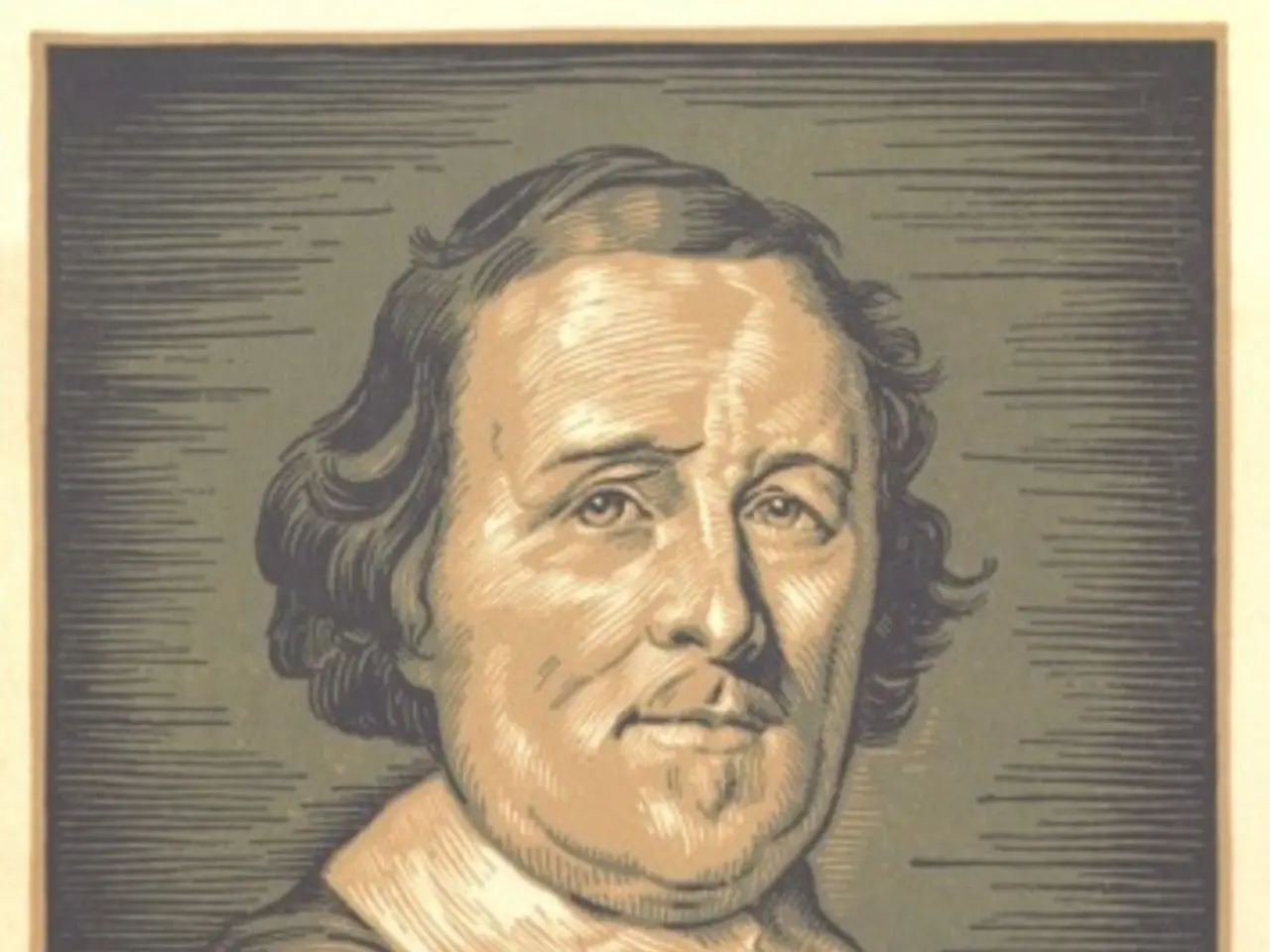
Philosopher Jürgen Habermas Dies at Age 96 - Jürgen Habermas, titan of modern philosophy and democracy, dies at 96
Jürgen Habermas, one of the most influential philosophers and sociologists of modern times, has died at the age of 96. He passed away on Saturday in Starnberg, Bavaria, leaving behind a legacy that shaped generations of thinkers across the world.
His ideas on democracy, ethics, and public debate transformed political and societal discussions in Germany and beyond. For decades, his work remained central to debates about morality, communication, and the role of religion in modern life.
Habermas began his academic career in Marburg, where he earned his postdoctoral qualification in 1961 with The Structural Transformation of the Public Sphere. This early work laid the foundation for his later theories on democracy and public discourse.
In 1964, he succeeded Max Horkheimer as professor of philosophy and sociology at the University of Frankfurt. Many of his most important books were written during his time in Frankfurt am Main. From 1971 to 1981, he also directed the Max Planck Institute for the Study of the Scientific-Technical World, further expanding his influence in academic circles.
His magnum opus, The Theory of Communicative Action, was published in 1981. The book became a cornerstone of modern social theory, arguing that rational communication forms the basis of a just society. Throughout the 1970s and 1980s, he engaged in fierce debates with both conservatives and leftists, shaping discussions on national identity after German reunification.
Though often associated with the 1968 student movement, Habermas rejected its radicalisation. Instead, he developed concepts like Diskursethik (discourse ethics), Öffentlichkeit (the public sphere), and Verfassungspatriotismus (constitutional patriotism). These ideas challenged extremist views while promoting democratic values.
Even in later years, his influence persisted. In 2004, he debated Cardinal Ratzinger (the future Pope Benedict XVI) on the place of religion in secular societies. Politicians, philosophers, and scientists continued to draw on his theories about moral foundations, communicative action, and the structure of free states.
Habermas' death marks the end of an era for critical theory and public intellectual life. His works remain essential reading in philosophy, sociology, and political science.
The debates he sparked—on democracy, ethics, and the role of reason in society—will continue to shape academic and political discussions for years to come.
Read also:
- American teenagers taking up farming roles previously filled by immigrants, a concept revisited from 1965's labor market shift.
- Weekly affairs in the German Federal Parliament (Bundestag)
- Landslide claims seven lives, injures six individuals while they work to restore a water channel in the northern region of Pakistan
- Escalating conflict in Sudan has prompted the United Nations to announce a critical gender crisis, highlighting the disproportionate impact of the ongoing violence on women and girls.