Kaiser Bridge closure cuts off Mainz-Wiesbaden train routes until 2026
Major Disruptions in Regional Rail Services
The Kaiser Bridge between Mainz and Wiesbaden remains completely closed to all train traffic until April 23, 2026, causing significant disruptions to regional rail services.
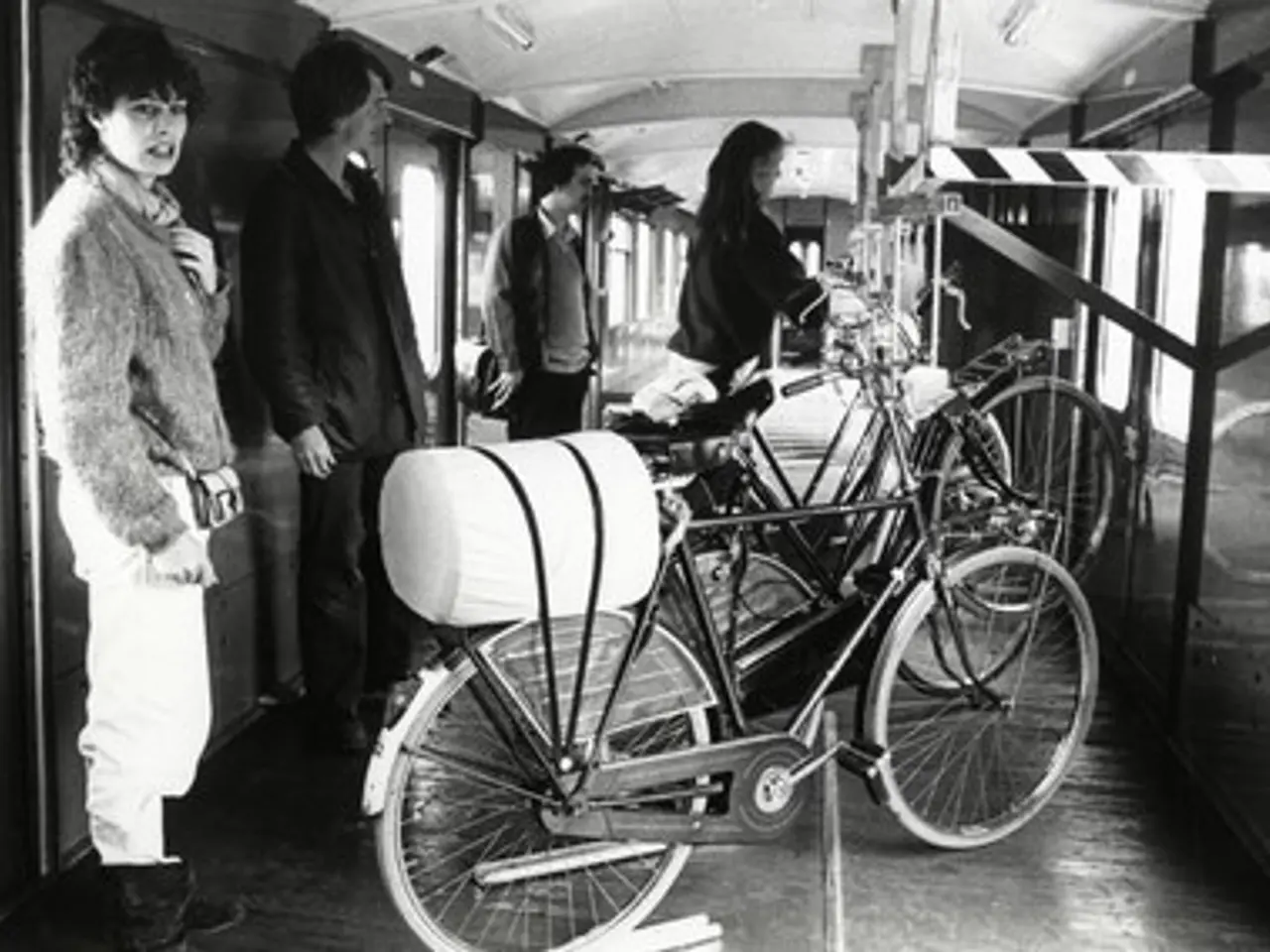
Until that date, no S8 trains will run from Mainz Central Station to Wiesbaden Central Station, and regional services are also suspended. Replacement buses are operating between the two main stations, but bicycles cannot be transported on these buses. Many commuters rely on combining trains and bikes to save time and stay flexible—but that option is currently unavailable.
Are There Alternatives?
From Mainz-Kastel station, the S1, S9, RB10, and other lines still run to Wiesbaden Central Station. Is it worth cycling from Mainz to Kastel to catch a train from there? That depends on where in Mainz you're starting from. For those in the city center (Old Town and New Town), it might be a viable option.
A quick ride through Mainz's city center and across the Theodor Heuss Bridge, then down the ramp to the right, brings you almost directly to Platform 1. Depending on the time of day, there are plenty of trains heading to Wiesbaden, with a travel time of just eight to ten minutes. This way, you can make up some of the extra time spent on the longer journey.
Stranded on the Middle Track
The return trip from Wiesbaden to Mainz also works—at least in theory. In Kastel, passengers disembark at Platform 2. They head toward the stairs—but where's the elevator? There isn't one. How are people with strollers, walkers, or bikes supposed to get down from this middle platform? On foot. They must carry their bikes down the stairs and back up on the other side, struggling to keep hold of them. Maybe a kind stranger will lend a hand.
Kastel station is a small but crucial hub for travelers combining different modes of transport. Around 9,000 passengers pass through here daily. Yet the station has no elevator and, for the foreseeable future, will remain inaccessible to those with mobility challenges.
Read also:
- American teenagers taking up farming roles previously filled by immigrants, a concept revisited from 1965's labor market shift.
- Weekly affairs in the German Federal Parliament (Bundestag)
- Landslide claims seven lives, injures six individuals while they work to restore a water channel in the northern region of Pakistan
- Escalating conflict in Sudan has prompted the United Nations to announce a critical gender crisis, highlighting the disproportionate impact of the ongoing violence on women and girls.