Kazakhstan's 2026 Referendum Draws Global Scrutiny and Civic Engagement
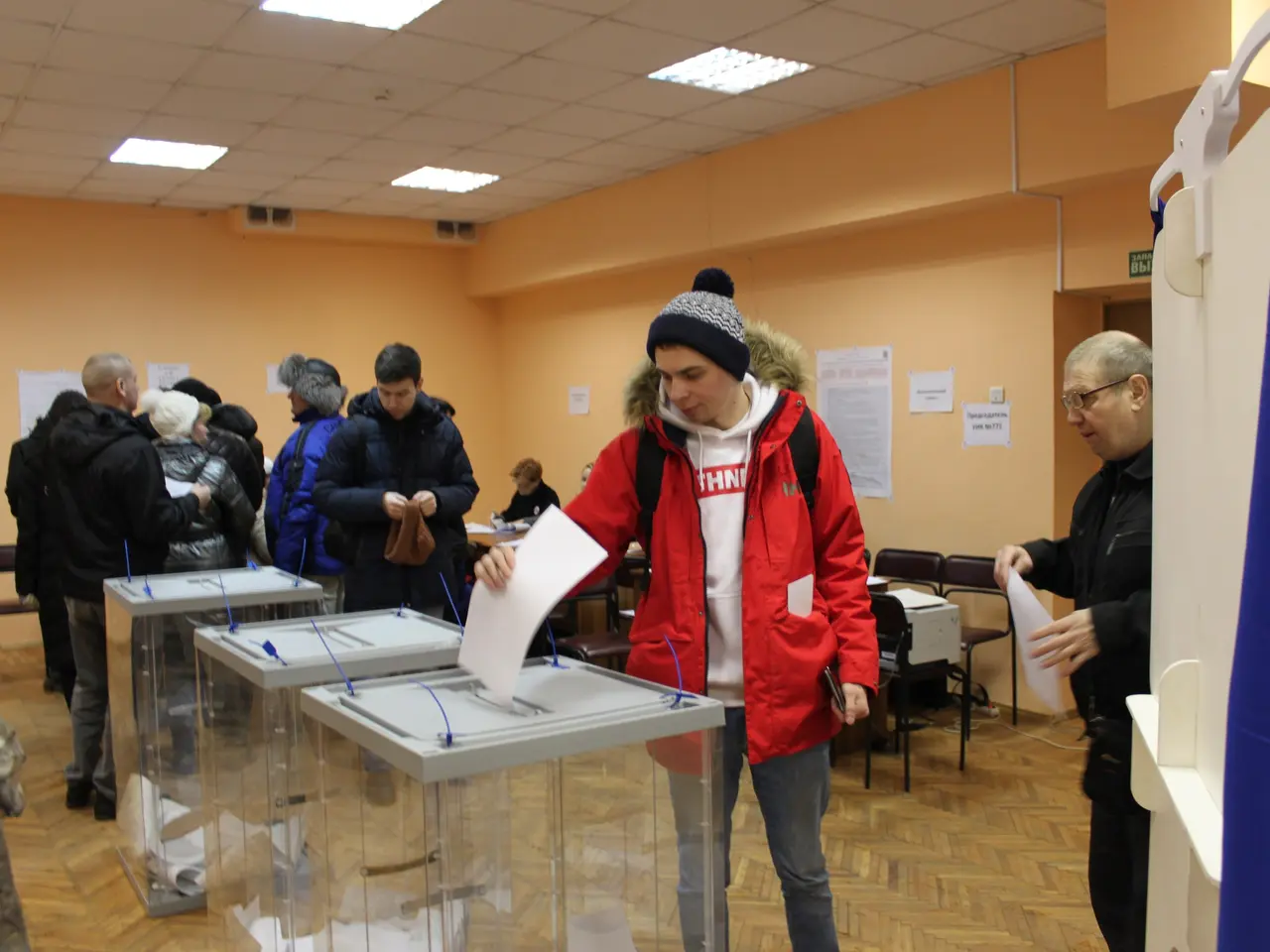
Kazakhstan held a constitutional referendum on 15 March 2026 under the watch of international observers. The Central Election Commission (CEC) accredited 359 monitors from 38 countries and 11 organisations. Their presence aimed to ensure transparency in the voting process.
The referendum drew observers from major regional bodies, including the CIS Interparliamentary Assembly (IPV) and the CSTO Parliamentary Assembly (PV). Among them was Domenico Palmieri of Italy's Istituto Italiano per l'Asia (ISIA), who commended the CEC for organising the vote efficiently despite tight timelines.
Wesley Alexander Hill, representing the International Tax and Investment Center, highlighted the diversity of polling station staff. He noted that many stations included party observers from most major political groups. Independent monitors, such as local village councils, were also present. Hill further observed a rise in first-time voters, reflecting demographic shifts. Meanwhile, Malgorzata Samojedny, president of Poland's Opportunity Institute for Foreign Affairs, reported that the voting process followed clear procedures. She also confirmed that polling stations provided access for voters with disabilities. Ralph Edwin Winnie, vice president of the America-Eurasia Center-Eurasian Business Coalition, spoke to voters after casting their ballots. Many stressed their votes were for Kazakhstan's future, focusing on the Kazakh language and stronger rule of law.
The referendum proceeded with structured oversight from both local and international monitors. Observers documented civic engagement, procedural clarity, and efforts to include diverse voter groups. Their findings will contribute to the assessment of Kazakhstan's electoral process.
Read also:
- American teenagers taking up farming roles previously filled by immigrants, a concept revisited from 1965's labor market shift.
- Weekly affairs in the German Federal Parliament (Bundestag)
- Landslide claims seven lives, injures six individuals while they work to restore a water channel in the northern region of Pakistan
- Escalating conflict in Sudan has prompted the United Nations to announce a critical gender crisis, highlighting the disproportionate impact of the ongoing violence on women and girls.