Kazakhstan's Landmark Referendum Reshapes Government with 87% Approval
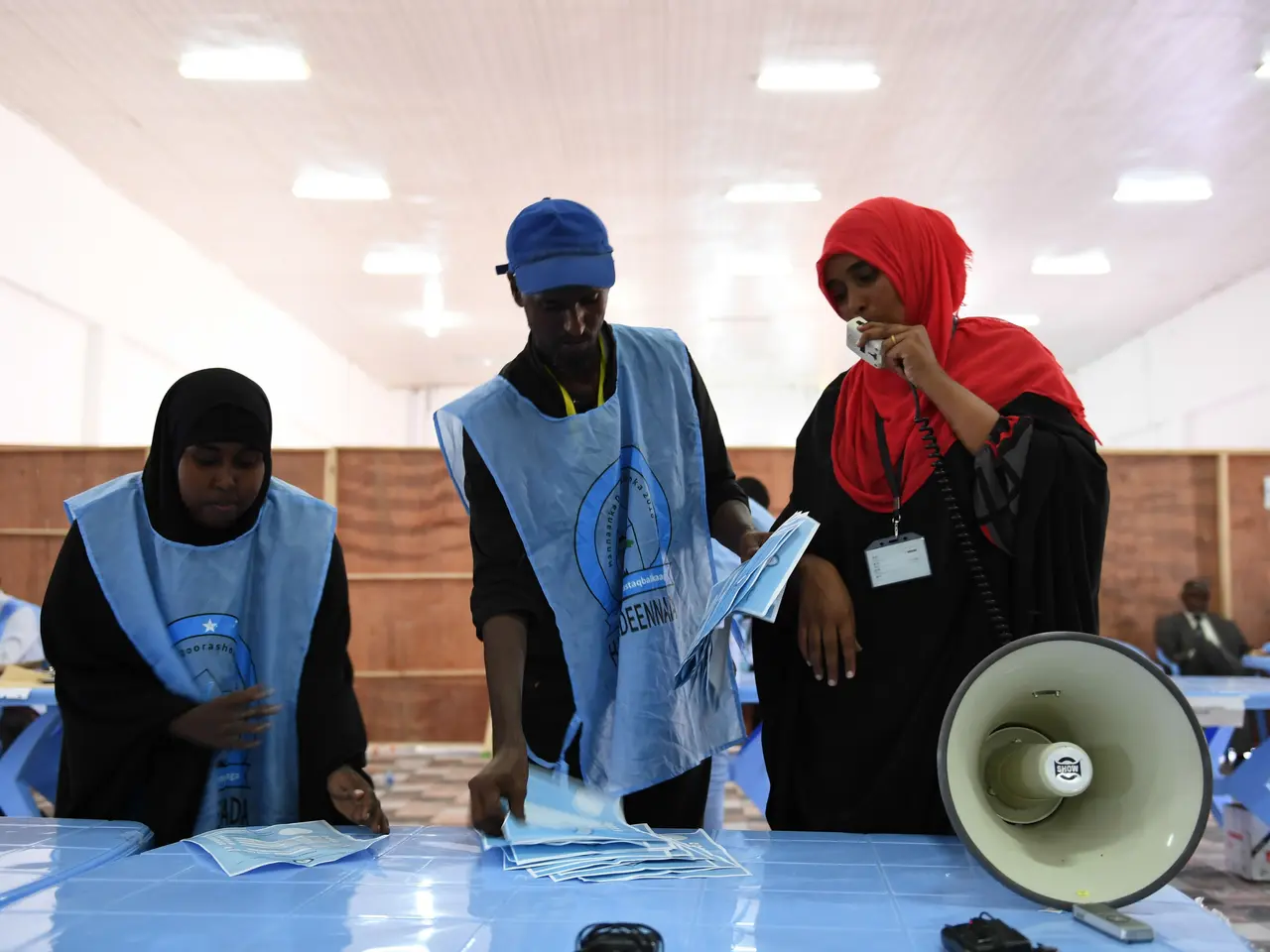
Kazakhstan held a national referendum on March 15, 2026, to decide on major constitutional changes. Among those casting their votes was Tabigat Zeinulkabden, Chairman of Astana's Maslikhat, who participated at a local polling station with his family by his side.
The referendum proposed sweeping reforms, including the replacement of the bicameral parliament with a single-chamber Kurultai of 145 members. It also sought to strengthen presidential authority, prioritise national law over international agreements, and define marriage as a union between a man and a woman.
At polling station No. 272 in Astana, Zeinulkabden arrived to cast his ballot. He was accompanied by his family, joining millions of voters across the country. Preliminary results later showed that roughly 87% of participants supported the new constitution. The outcome means Kazakhstan will now operate under a restructured government, with the *Kurultai* as its sole legislative body. The changes also confirm the president's expanded role and set new legal boundaries for international treaties.
The referendum results will reshape Kazakhstan's political system, consolidating power under a single parliament and reinforcing presidential control. The new constitution also establishes legal definitions for marriage and elevates domestic law above foreign agreements. These adjustments will take effect following the official certification of the vote.
Read also:
- American teenagers taking up farming roles previously filled by immigrants, a concept revisited from 1965's labor market shift.
- Weekly affairs in the German Federal Parliament (Bundestag)
- Landslide claims seven lives, injures six individuals while they work to restore a water channel in the northern region of Pakistan
- Escalating conflict in Sudan has prompted the United Nations to announce a critical gender crisis, highlighting the disproportionate impact of the ongoing violence on women and girls.