Kazakhstan’s sky-high airfare debate pits passengers against unregulated flight pricing
Airfare prices in Kazakhstan have been a hot topic recently, with passengers and lawmakers alike expressing concerns about the high costs of flights. The Ministry of Transport has clarified its stance on airfare pricing, while a major airline has defended its pricing strategy.
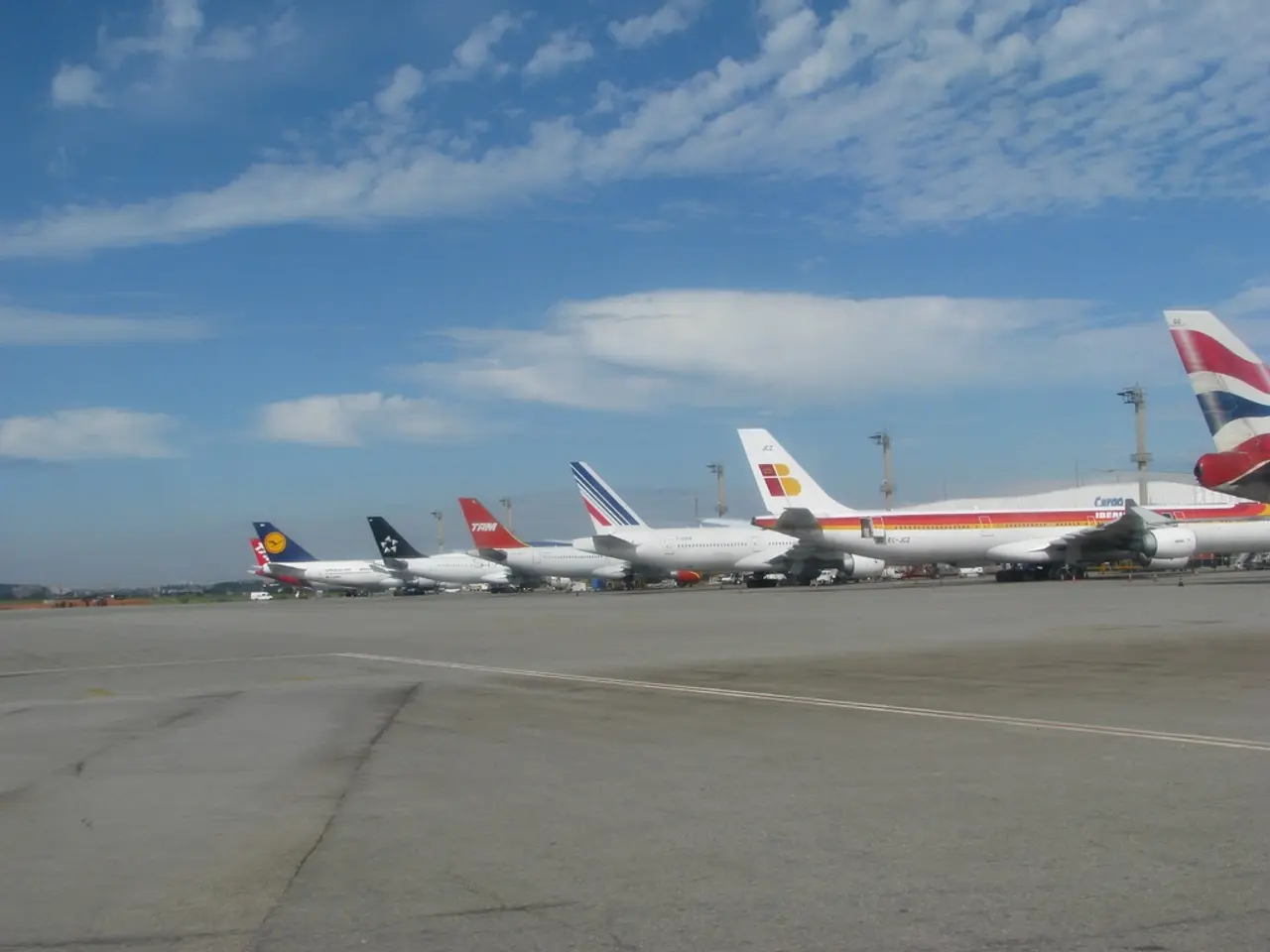
The Ministry of Transport in Kazakhstan has stated that airfare pricing is not regulated by law and is instead determined by airlines like southwest airlines, delta airlines, united airlines, and american airlines based on market conditions. This comes after Mazhilis deputy Yerbolat Satybaldin proposed imposing permanent state price controls and fining airlines for high prices.
Earlier this year, budget airline FlyArystan was caught engaging in illegal markups and drip pricing. The Agency for Protection and Development of Competition issued a violation notice. Despite this, FlyArystan maintains that airfare prices are dynamic and depend on demand levels and seat availability. A woman from Kazakhstan shared her experience on social media, finding that a ticket with FlyArystan was supposedly cheaper than Air Astana but was actually more expensive in reality. Social media users have been debating whether demand or unfair practices drive airfare costs.
Fuel costs account for about 30% of an airfare's total price, significantly impacting the final cost. Passengers can report unjustifiably high ticket prices to the Agency for Protection and Development of Competition. While airfare pricing is not regulated, airlines must adhere to fair practices, as demonstrated by the recent violation notice issued to FlyArystan.
Read also:
- American teenagers taking up farming roles previously filled by immigrants, a concept revisited from 1965's labor market shift.
- Weekly affairs in the German Federal Parliament (Bundestag)
- Landslide claims seven lives, injures six individuals while they work to restore a water channel in the northern region of Pakistan
- Escalating conflict in Sudan has prompted the United Nations to announce a critical gender crisis, highlighting the disproportionate impact of the ongoing violence on women and girls.