Kenyan Court Orders Bold Action to Curb Deadly Election Violence in Kilifi South
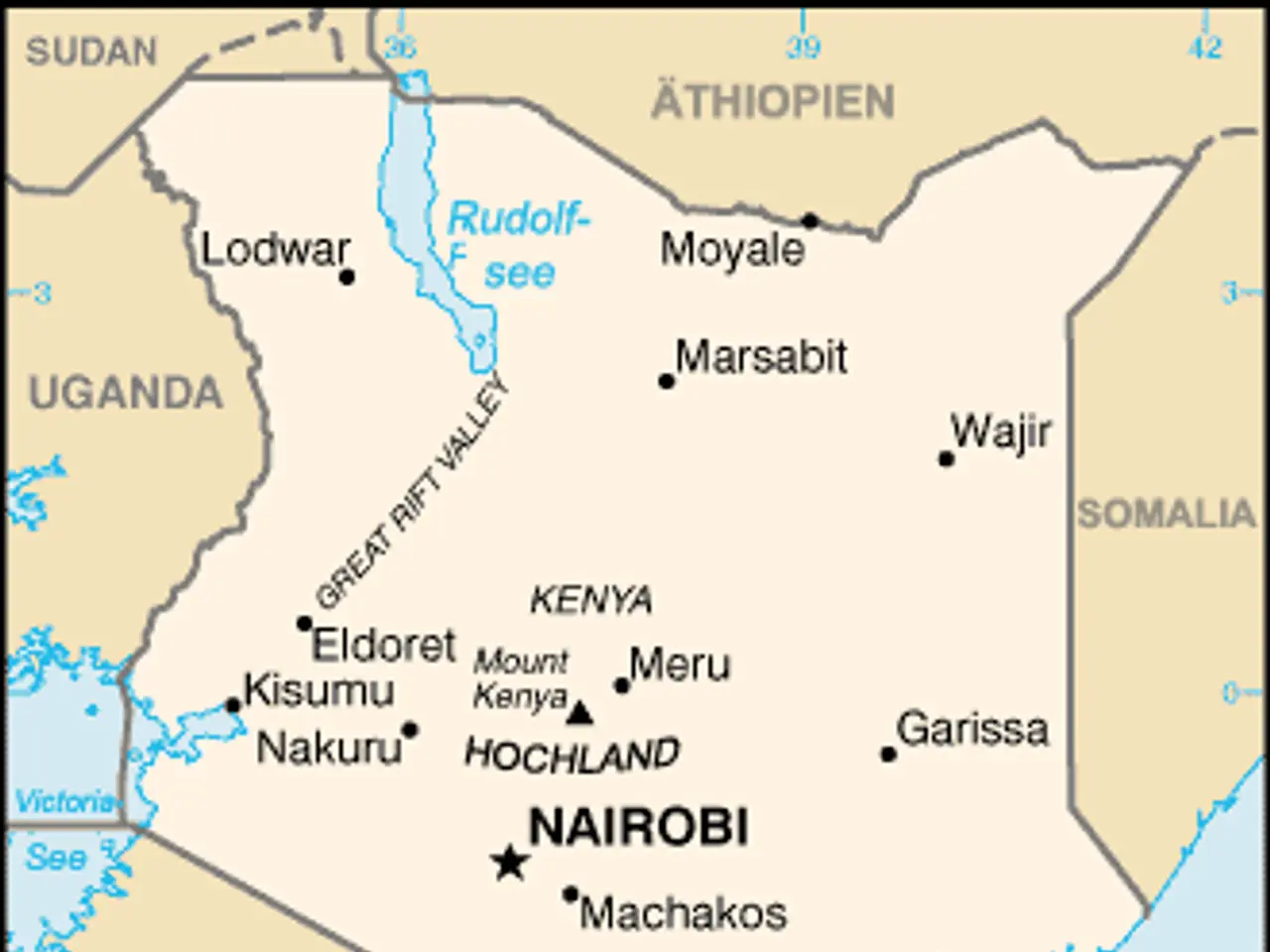
A Kenyan court has taken an unusual step to tackle electoral violence in Kilifi South. Justice Kagendo Micheni issued a structural interdict—a remedy normally used for socio-economic rights—to prevent future clashes after a deadly incident in the 2017 General Election.
The ruling follows the death of Nicodemus Karima Shikahili during pre-election tensions that year. While the accused were acquitted due to lack of evidence, the judge ordered state agencies and local groups to work together on long-term solutions.
The case began with the killing of Nicodemus Karima Shikahili in Kilifi South on the eve of the 2017 polls. Three men—Rama Lenga Beja and two others—stood trial for the murder but were cleared when prosecutors failed to prove their guilt beyond reasonable doubt. Despite the acquittal, Justice Micheni used the trial to address the broader issue of electoral violence in the region.
Kilifi South has a history of election-related unrest, with communities forming vigilante groups and political rivalries splitting villages. To break this cycle, the court directed state bodies and local leaders to create peace and security forums. These groups must now design lawful ways to prevent violence in future elections.
The judge also retained supervision over the process, demanding a compliance report by September 30, 2026. This marks a shift in judicial approach, where courts actively push for systemic change rather than just resolving individual cases. Traditionally, structural interdicts have been used for socio-economic rights, but here, the court applied it to uphold the right to life.
Since 2017, no new official reports or investigations into election violence in Kilifi South have surfaced. Past efforts, such as monitoring by the National Cohesion and Integration Commission (NCIC) and voter education by the Kenya National Commission on Human Rights (KNCHR), aimed to reduce conflict. However, the court's latest order now requires concrete action and accountability.
The ruling sets a precedent by using a structural interdict to combat electoral violence. State agencies and local actors must now report on their progress by the 2026 deadline. The decision reflects a growing trend where judges take a more active role in shaping democratic values and social reform.
Read also:
- American teenagers taking up farming roles previously filled by immigrants, a concept revisited from 1965's labor market shift.
- Weekly affairs in the German Federal Parliament (Bundestag)
- Landslide claims seven lives, injures six individuals while they work to restore a water channel in the northern region of Pakistan
- Escalating conflict in Sudan has prompted the United Nations to announce a critical gender crisis, highlighting the disproportionate impact of the ongoing violence on women and girls.