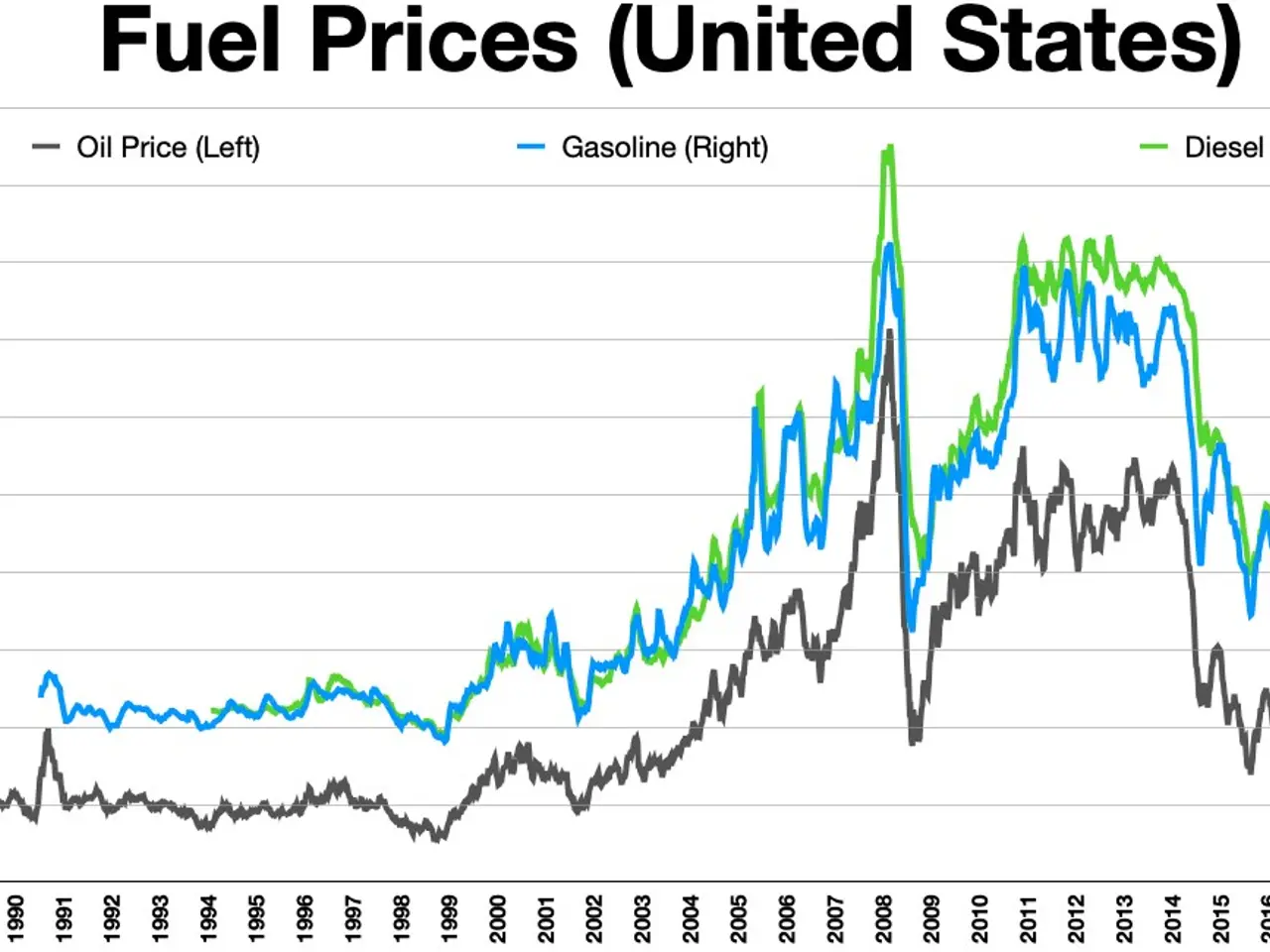
Lawmakers clash over summer E15 sales as fuel prices surge nationwide
Rising fuel costs have pushed lawmakers from both parties to demand action on E15 sales. Currently, summer restrictions block the wider use of this ethanol blend, despite support from states and some industry groups. Frustration is growing over Congress's failure to lift these seasonal limits.
Seven states—Illinois, Iowa, Minnesota, Missouri, Nebraska, South Dakota, and Wisconsin—already allow year-round E15 sales. They secured approval through EPA waivers for lower-volatility gasoline. Meanwhile, President Donald Trump and certain petroleum companies have backed expanding E15 availability nationwide.
Efforts to include year-round E15 in a recent House spending bill collapsed. Sen. Chuck Grassley (R-Iowa) pointed to opposition from refiners as the reason for the setback. Now, lawmakers face hurdles in both chambers: finding a suitable Senate bill and navigating House complications.
The urgency stems from soaring gas prices, which have intensified calls for change. Supporters argue that lifting restrictions would provide drivers with a cheaper alternative. But without legislative progress, the summer ban on E15 remains in place.
The push for year-round E15 sales continues, but obstacles in Congress slow the process. Without a legislative breakthrough, the seasonal restrictions will stay, limiting consumer access. The outcome depends on whether lawmakers can overcome industry resistance and procedural challenges.
Read also:
- American teenagers taking up farming roles previously filled by immigrants, a concept revisited from 1965's labor market shift.
- Weekly affairs in the German Federal Parliament (Bundestag)
- Landslide claims seven lives, injures six individuals while they work to restore a water channel in the northern region of Pakistan
- Escalating conflict in Sudan has prompted the United Nations to announce a critical gender crisis, highlighting the disproportionate impact of the ongoing violence on women and girls.