London's housing crisis deepens as construction grinds to a halt by 2027
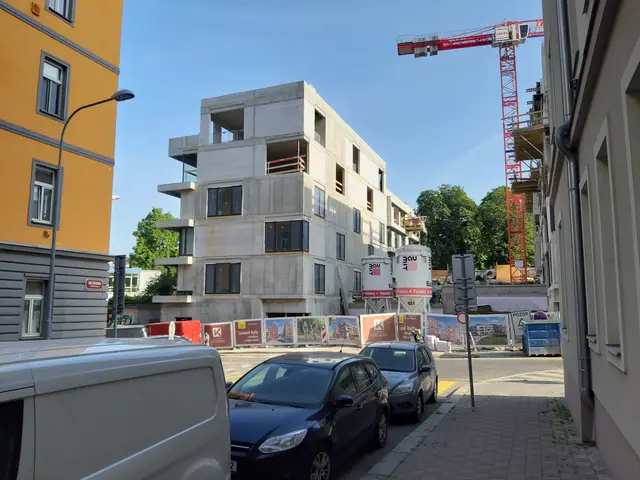
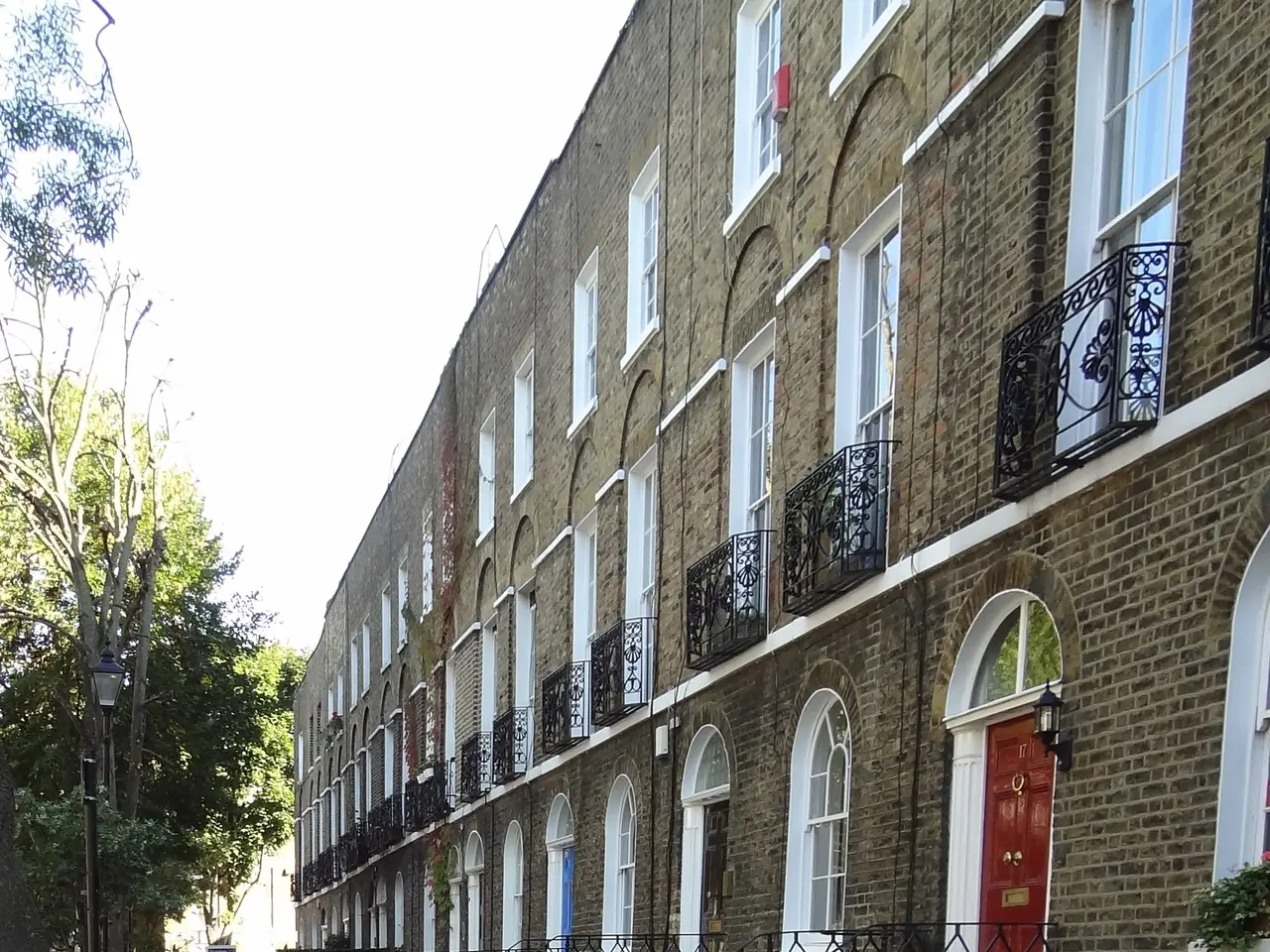
London's housing market is nearing a standstill as construction activity plummets. By early 2027, only 15,000 to 20,000 new homes will be under development—a sharp decline from previous years. Business leaders are now urging the government to take stronger action to revive building projects across the capital.
Over the past decade, construction starts in London have dropped by more than 80%. Despite the Labour government's target of 1.5 million new homes across England, progress in the capital remains severely stalled. Industry group BusinessLDN has called for temporary pro-housebuilding measures to be extended and expanded to address the crisis.
Regulatory hurdles have worsened the situation. Stricter rules introduced after the Grenfell Tower disaster created a backlog of planning applications, delaying new projects. An additional challenge arrives in October with the new Building Safety Levy, a tax on residential developments that could further discourage construction. The housing slowdown comes as London's economy struggles. Unemployment reached 7.6% in late 2025—the highest of any UK region and still rising. With new homes per resident far below levels in cities like New York and Paris, pressure is mounting for urgent solutions.
The sharp fall in housebuilding leaves London with a dwindling pipeline of new homes. As unemployment climbs and regulatory pressures grow, the capital's housing crisis looks set to deepen. Without intervention, the gap between demand and supply will only widen in the coming years.
Read also:
- American teenagers taking up farming roles previously filled by immigrants, a concept revisited from 1965's labor market shift.
- Weekly affairs in the German Federal Parliament (Bundestag)
- Landslide claims seven lives, injures six individuals while they work to restore a water channel in the northern region of Pakistan
- Escalating conflict in Sudan has prompted the United Nations to announce a critical gender crisis, highlighting the disproportionate impact of the ongoing violence on women and girls.