Luxon backtracks on visa extensions for Iran and Ukraine conflict victims
Prime Minister Christopher Luxon has corrected earlier statements about visa extensions for individuals affected by conflicts in Ukraine and Iran. His remarks in Parliament drew criticism after he incorrectly claimed automatic extensions were being granted. The issue has since led to calls for greater clarity on New Zealand's evolving immigration policies.
The confusion began when Luxon stated that the Government was automatically extending visas for those impacted by the Iran news. This claim was later contradicted by Immigration Minister Erica Stanford, who clarified that extensions would be assessed individually. Stanford advised affected people to contact Immigration New Zealand for case-by-case consideration.
Earlier, Luxon had also admitted to 'misspeaking' about New Zealand's stance on Iran's nuclear programme. He initially suggested the country supported 'any actions' to prevent Iran from acquiring nuclear weapons, a statement he later retracted.
Green Party co-leader Chlöe Swarbrick accused Luxon of not fully understanding the visa process. She pointed out that his initial comments implied a blanket extension, which did not align with official policy. Swarbrick also referenced a Cabinet paper showing that Ukrainians had received a 12-month visa extension due to the war, unlike the current approach for Iran-affected individuals.
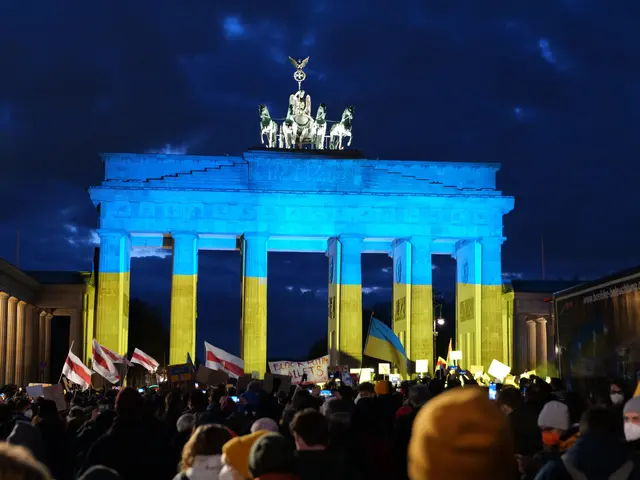
New Zealand's visa policy has shifted since Russia's 2022 invasion of Ukraine. Initially, over 2,000 Ukrainians received special visas, with pathways later extended to residency. By 2026, however, the Government has adopted stricter controls, focusing only on select refugees from the Iran conflict via UNHCR quotas rather than broad visa programmes.
Luxon sought leave in the House to provide a personal explanation, correcting his earlier remarks. Swarbrick responded by saying she expected him to 'correct his correction' to avoid further confusion.
The Prime Minister's statements have highlighted discrepancies in New Zealand's visa policies for conflict-affected individuals. With stricter measures now in place, affected people must apply for extensions on a case-by-case basis. The Government's approach reflects a broader shift toward tighter migration controls since 2022.
Read also:
- American teenagers taking up farming roles previously filled by immigrants, a concept revisited from 1965's labor market shift.
- Weekly affairs in the German Federal Parliament (Bundestag)
- Landslide claims seven lives, injures six individuals while they work to restore a water channel in the northern region of Pakistan
- Escalating conflict in Sudan has prompted the United Nations to announce a critical gender crisis, highlighting the disproportionate impact of the ongoing violence on women and girls.