Mainz’s 2,000th Anniversary Transformed the City Forever
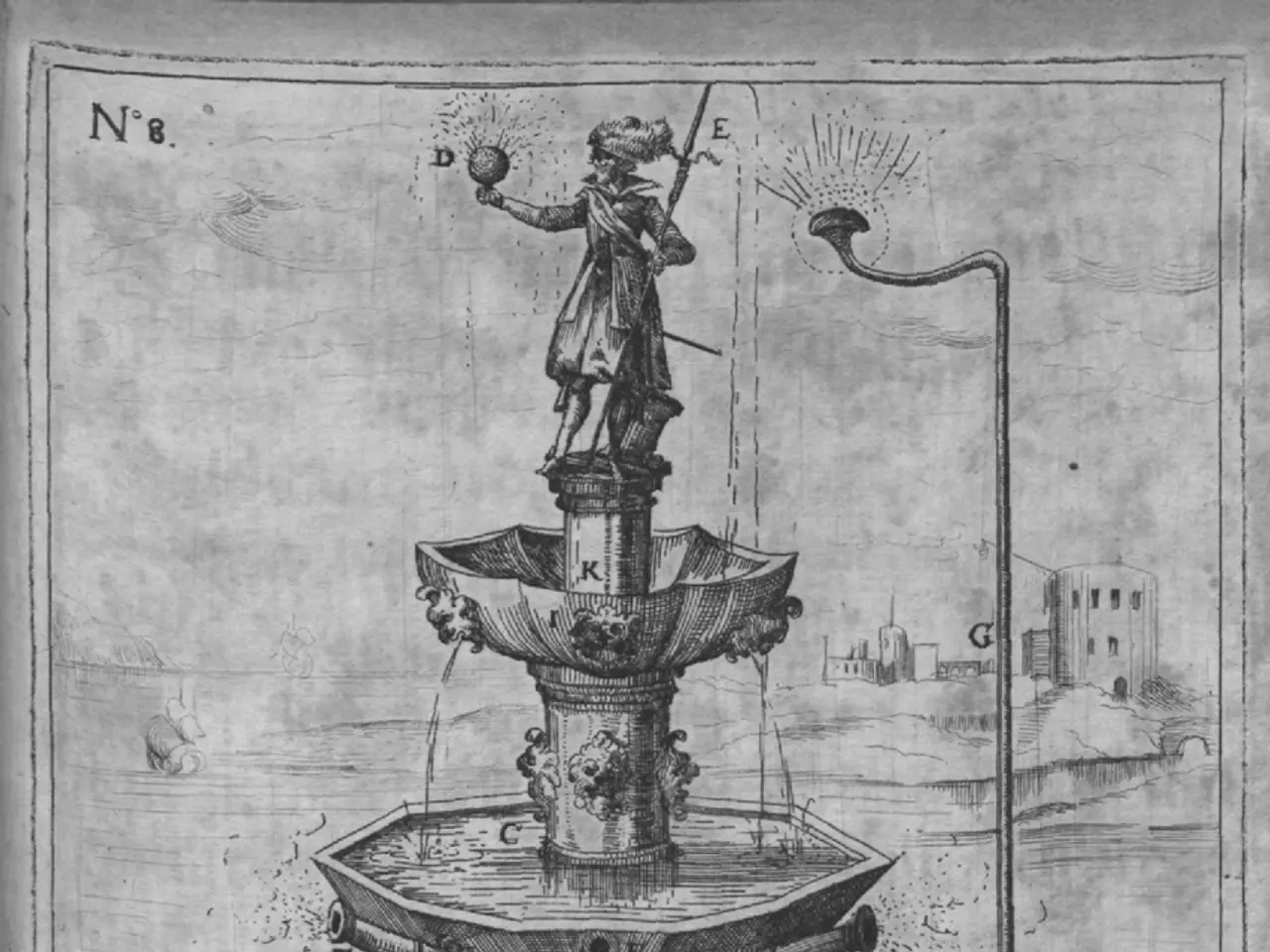
Mainz marked its 2,000th anniversary in 1987 with grand celebrations around the world and lasting changes. The city used the milestone to drive development, including new landmarks and infrastructure. A key moment was the unveiling of the 'Jubilee Fountain' at Ernst-Ludwig-Platz, designed to symbolise Mainz’s Roman roots.
The anniversary festivities drew high-profile figures, including Federal President Heinrich Lübke and Minister-President Peter Altmaier. As part of the celebrations, a replica of the ancient Dativius Victor Arch was erected alongside the newly built 'Jubilee Fountain'. Designed by Wiesbaden-based garden architect Wolfgang Walter, the fountain incorporated casts of ancient reliefs. Its original concept featured a water cascade, with streams from three sides converging at the centre, representing Mainz’s growth from a Roman settlement through water and stone.
The 1987 jubilee left a visible mark on Mainz, from the now-deteriorating 'Jubilee Fountain' to the expanded Lerchenberg district. The event accelerated urban growth, with new public spaces and the ZDF headquarters shaping the city’s future. Yet, the fountain’s decline remains a challenge for preservation efforts.
Read also:
- American teenagers taking up farming roles previously filled by immigrants, a concept revisited from 1965's labor market shift.
- Weekly affairs in the German Federal Parliament (Bundestag)
- Landslide claims seven lives, injures six individuals while they work to restore a water channel in the northern region of Pakistan
- Escalating conflict in Sudan has prompted the United Nations to announce a critical gender crisis, highlighting the disproportionate impact of the ongoing violence on women and girls.