Markets brace for turbulence as Fed meeting and Hormuz tensions loom
Capital markets face another volatile week as geopolitical tensions and central bank decisions take centre stage. Investors are watching the U.S. Federal Reserve's upcoming policy meeting, while falling oil prices have provided some temporary relief.
The Strait of Hormuz remains a flashpoint, with shipping disruptions adding to market uncertainty.
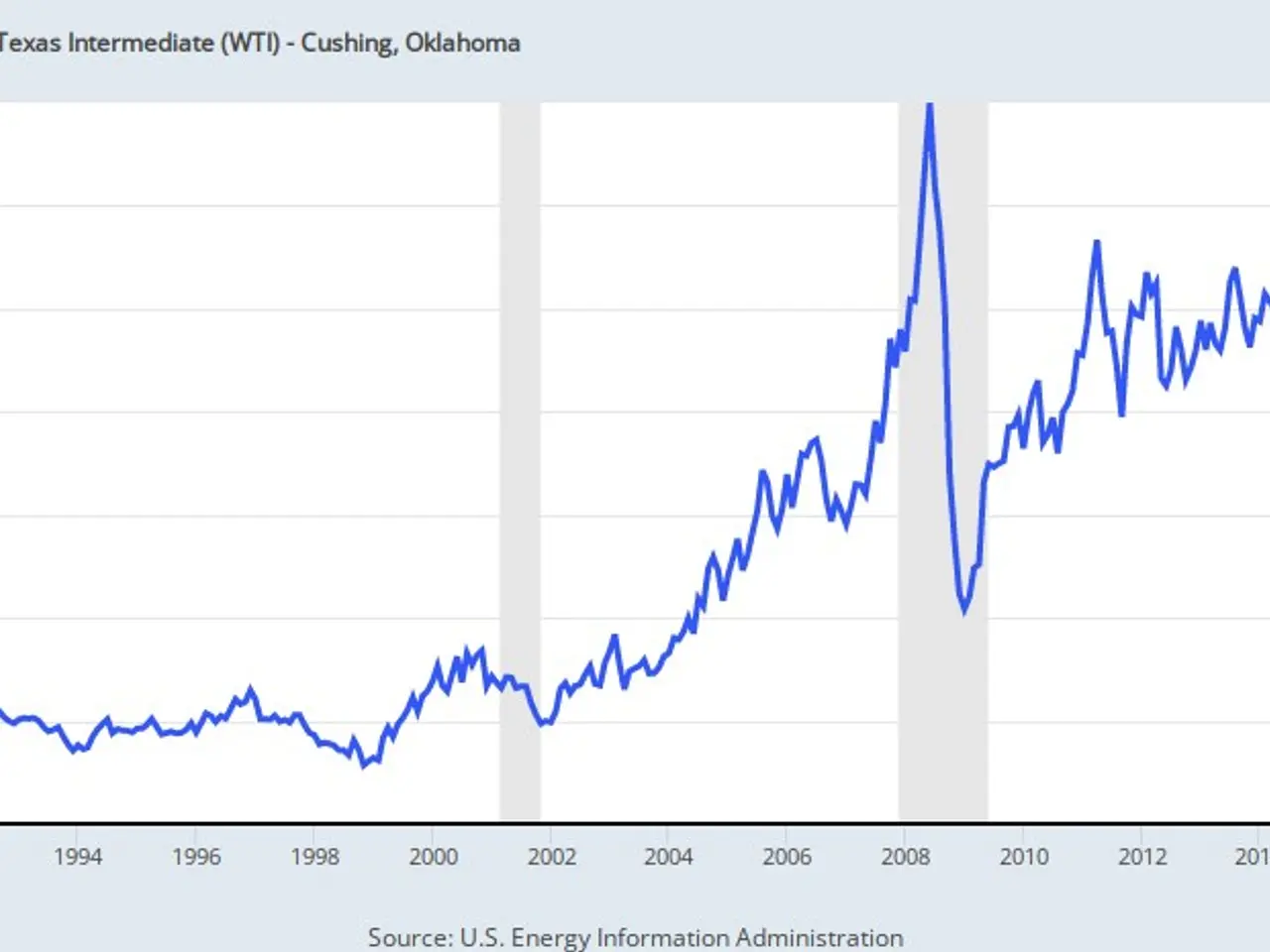
Oil prices have dropped in recent days, easing inflation worries that had pressured bond markets since the war began. This decline helped U.S. Treasury bonds recover slightly on Monday, with the T-Note future climbing 0.29% to 111.73 points. Yields fell to 4.24%, offering a brief respite for investors.
Shipping through the Strait of Hormuz has seen major disruptions since the conflict started in 2025. Daily tanker routes have dropped by 40%, from around 20 to just 12 VLCC and Suezmax vessels per day, according to Lloyd's List and the U.S. Naval Institute. Iranian mines, drone attacks, and soaring insurance costs have slashed traffic. Yet, some tankers have still managed to pass through, showing limited stability in oil transport.
Analysts at Dekabank warn that markets will stay unstable this week. The Federal Reserve's policy decision on Wednesday will be closely watched for clues on future interest rates. Meanwhile, tensions in the Middle East—especially those linked to Iran—continue to drive uncertainty, overshadowing economic data.
The coming days will see markets shaped by geopolitical risks and central bank actions. Oil price movements and shipping developments in the Strait of Hormuz will remain key factors. Investors are bracing for further fluctuations as the week progresses.
Read also:
- American teenagers taking up farming roles previously filled by immigrants, a concept revisited from 1965's labor market shift.
- Weekly affairs in the German Federal Parliament (Bundestag)
- Landslide claims seven lives, injures six individuals while they work to restore a water channel in the northern region of Pakistan
- Escalating conflict in Sudan has prompted the United Nations to announce a critical gender crisis, highlighting the disproportionate impact of the ongoing violence on women and girls.