Martinique's Quiet Push for Autonomy Tests French Caribbean Ties
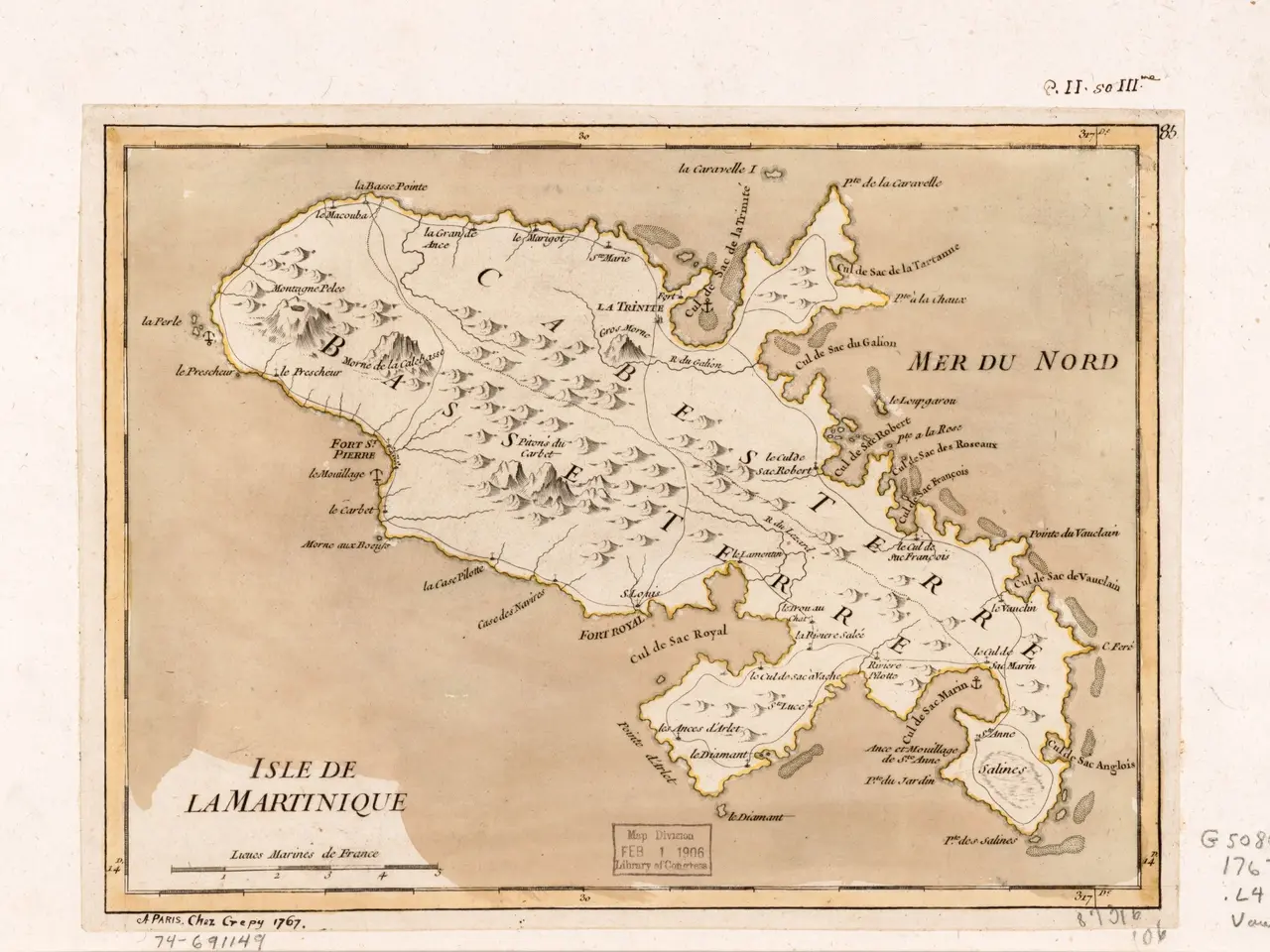
Martinique, a French Caribbean island, enjoys a governance structure much like mainland France. Yet calls for greater autonomy are growing, led by figures like Jiovanny William, a representative in France's National Assembly. While most residents still favour remaining a French overseas department, economic and local concerns are reshaping political debates.
Martinique's economy relies heavily on France and the EU, with substantial financial aid helping to offset trade deficits. Despite this support, 85% of islanders reportedly show little interest in Europe, according to William. The island's prosperity—with economic output per capita at nearly two-thirds of France's—contrasts with weaker Caribbean neighbours, but high living costs and local issues remain pressing.
In the 2022 elections, left-wing parties secured two-thirds of town halls, while right-wing and far-right groups struggled. This shift reflects broader priorities: nursing home shortages, school safety, and affordability dominate current municipal campaigns. Unlike New Caledonia, where independence referendums (2018, 2020, 2021) highlighted deep divisions, Martinique's autonomy movement remains modest, with most preferring the status quo. William advocates for direct trade with South and Central American neighbours to cut costs. He also pushes for more regional decision-making power, arguing that economic dependence on France shouldn't prevent local control. Yet the path forward is tangled, balancing French identity with demands for self-governance.
The debate over Martinique's future mixes economic reliance on France with a desire for greater local authority. While independence remains unlikely, calls for autonomy are gaining ground, shaped by everyday concerns like living costs and public services. The island's political landscape continues to evolve, reflecting both its French ties and Caribbean realities.
Read also:
- American teenagers taking up farming roles previously filled by immigrants, a concept revisited from 1965's labor market shift.
- Weekly affairs in the German Federal Parliament (Bundestag)
- Landslide claims seven lives, injures six individuals while they work to restore a water channel in the northern region of Pakistan
- Escalating conflict in Sudan has prompted the United Nations to announce a critical gender crisis, highlighting the disproportionate impact of the ongoing violence on women and girls.