Massive Labour Day protests in Germany demand fair wages and pension reforms
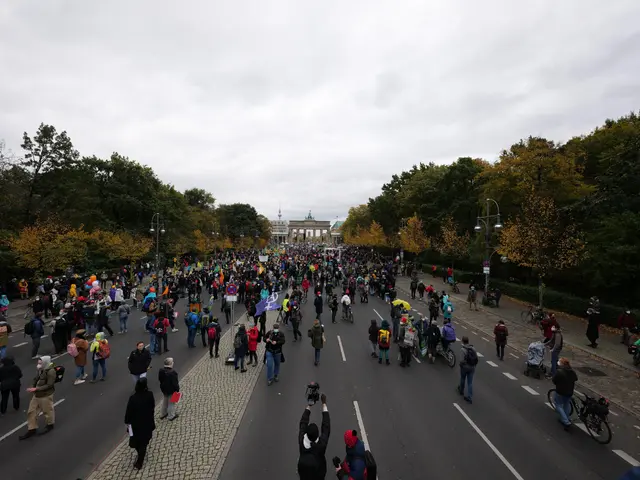
Tens of thousands of workers took to the streets in Berlin and Brandenburg on Labour Day to protest job cuts and social benefit reductions. The demonstrations came as the government prepares to unveil pension reforms within the next two months—including possible changes to the retirement age. In Berlin, around 12,000 people marched at the German Trade Union Confederation (DGB) rally. Katja Karger, chair of DGB Berlin-Brandenburg, called for an end to wage dumping, union-busting, and exploitative working conditions. Meanwhile, nearly 28,000 attended 14 union-organized events across Brandenburg.
A major gathering took place in Frankfurt (Oder), where 16,000 people attended the Bridge Festival, co-hosted by the union. In Cottbus, around 1,200 joined a separate Labour Day event. The protests followed Chancellor Friedrich Merz’s recent signal that he may support raising Germany’s retirement age. Robert Feiger, federal chair of IG BAU, criticised the idea, warning against pushing the retirement age to 67 or beyond.
The government’s pension commission is expected to release its reform proposals in roughly two months. With large-scale protests highlighting worker concerns, the debate over wages, job security, and retirement policies is set to intensify. Unions have made clear they will resist cuts to social protections.
Read also:
- American teenagers taking up farming roles previously filled by immigrants, a concept revisited from 1965's labor market shift.
- Weekly affairs in the German Federal Parliament (Bundestag)
- Landslide claims seven lives, injures six individuals while they work to restore a water channel in the northern region of Pakistan
- Escalating conflict in Sudan has prompted the United Nations to announce a critical gender crisis, highlighting the disproportionate impact of the ongoing violence on women and girls.