Mexico City’s bold plan to transform street vending by 2026
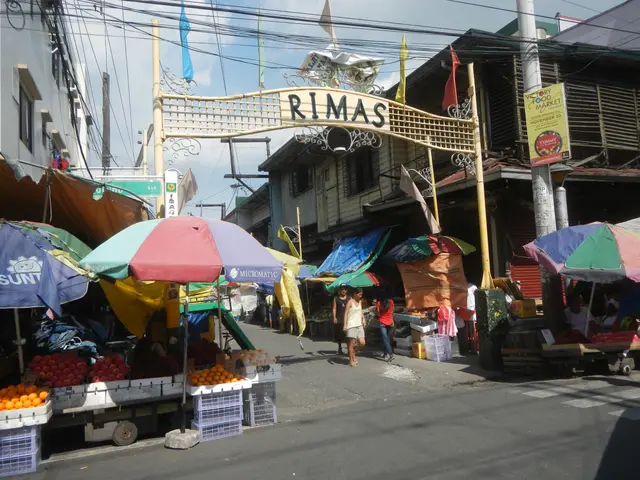
Mexico City Mayor Clara Brugada has unveiled a plan to reorganise street vending in the Historic Center. The scheme aims to reduce informal trade and restore order by early 2026. Authorities expect to complete the changes before the end of 2025.
The Public Reorganization Plan will convert street commerce into structured commercial plazas. Vendors will move to designated spaces, freeing up busy thoroughfares. A new market is also under construction to accommodate displaced traders.
Security, lighting, and urban recovery are key parts of the project. The city is improving infrastructure to attract residents and businesses back to the area. As part of the wider effort, the access bridge to Azteca Stadium has already been cleared ahead of the 2026 World Cup.
The mayor’s office hopes to start 2026 with a cleaner, more orderly Historic Center. The plan focuses on reducing clutter while supporting vendors through relocation and better facilities.
The project will reshape street vending in the Historic Center by the close of 2025. Designated trading zones and improved public spaces aim to balance commerce with urban renewal. The changes will also prepare the area for major events like the upcoming World Cup.
Read also:
- American teenagers taking up farming roles previously filled by immigrants, a concept revisited from 1965's labor market shift.
- Weekly affairs in the German Federal Parliament (Bundestag)
- Landslide claims seven lives, injures six individuals while they work to restore a water channel in the northern region of Pakistan
- Escalating conflict in Sudan has prompted the United Nations to announce a critical gender crisis, highlighting the disproportionate impact of the ongoing violence on women and girls.