Microsoft CEO: European Data Stays in Europe - Microsoft grants Europe 'sovereign control' over data to ease privacy fears
Microsoft has promised European businesses and regulators stronger protections for their data. CEO Satya Nadella assured them that their information will stay secure and under their control. The move comes as worries grow over U.S. intelligence agencies potentially accessing data stored by American tech firms.
The company also announced new tools to let customers process AI workloads locally instead of relying on Microsoft 365 services alone.
European concerns about data privacy have been rising for years. Many fear that data held by U.S. companies could be accessed by American security agencies. Microsoft's Germany chief, Agnes Heftberger, highlighted that trust in data handling is crucial for wider AI adoption across Europe.
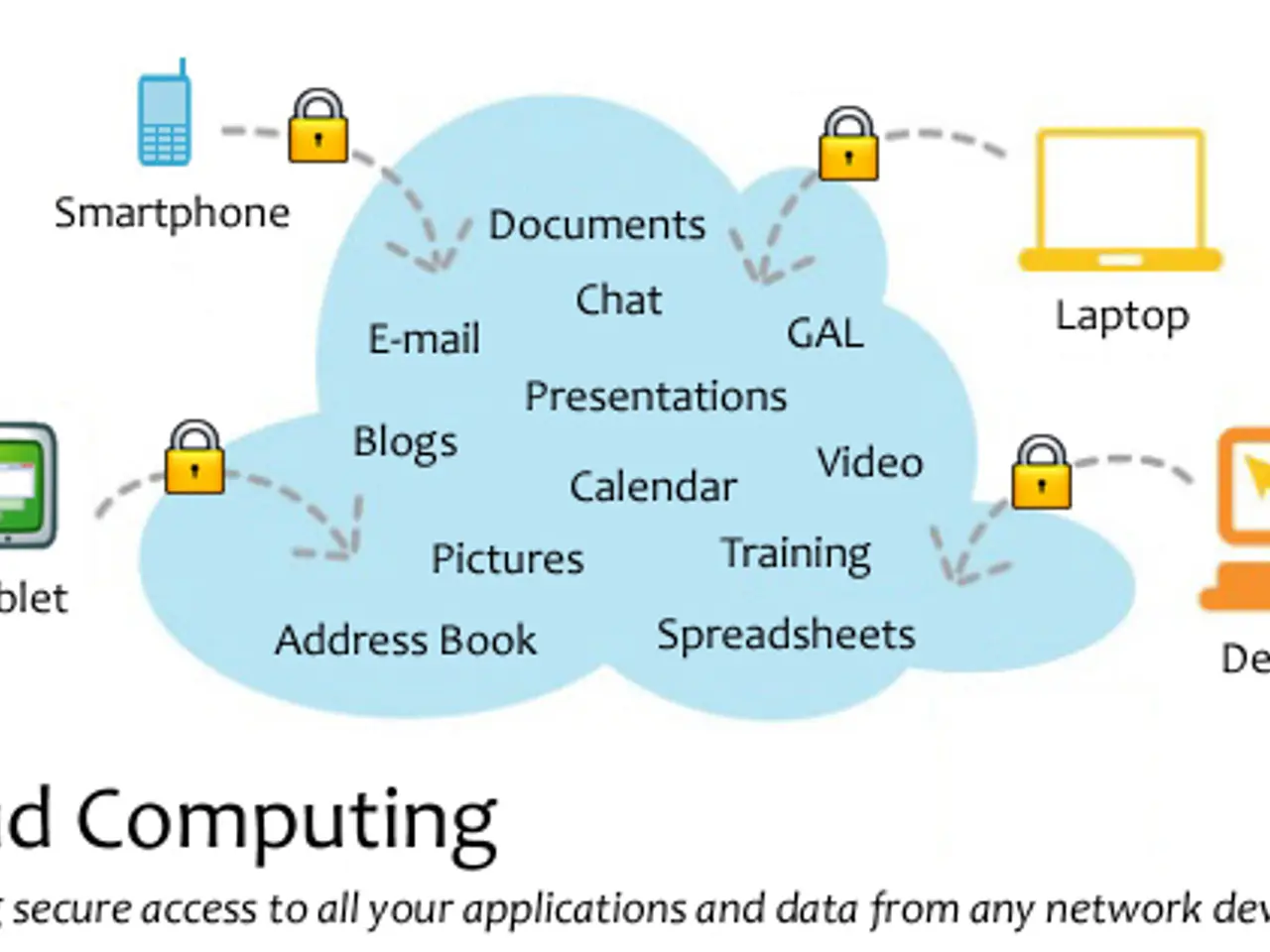
To address these issues, Microsoft introduced measures giving customers 'sovereign control' over their data. Encryption and private cloud solutions will physically separate European data from Microsoft's main servers. The company will also share its cyber threat intelligence with European clients to improve security.
A new service called 'Foundry' was unveiled as part of the plan. It allows AI development to take place on local systems rather than just in the Microsoft 365 cloud. Customers will now have the option to fully shield their applications and data from external access—including from foreign governments.
Microsoft's steps aim to ease European fears over data access by U.S. authorities. The company's encryption and local AI tools offer businesses more control over their information. These changes could influence how other tech firms handle data privacy in Europe going forward.
Read also:
- American teenagers taking up farming roles previously filled by immigrants, a concept revisited from 1965's labor market shift.
- Weekly affairs in the German Federal Parliament (Bundestag)
- Landslide claims seven lives, injures six individuals while they work to restore a water channel in the northern region of Pakistan
- Escalating conflict in Sudan has prompted the United Nations to announce a critical gender crisis, highlighting the disproportionate impact of the ongoing violence on women and girls.