Economy demands help with fuel prices - politics and experts brake - Middle East conflict sends oil prices soaring, squeezing German businesses
Oil prices have surged sharply after military escalations in the Middle East, pushing up costs at German petrol stations. The spike follows US and Israeli strikes on Iran, raising concerns about further disruptions to global supply chains. Business leaders and logistics groups are now urging the German government to take action as transport and energy expenses climb.
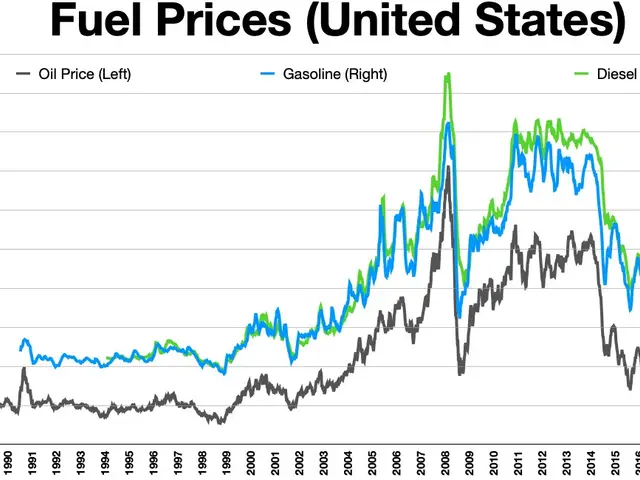
The conflict has sent Brent crude prices up by roughly 10%, reaching around $80 per barrel. Analysts warn that if the Strait of Hormuz remains blocked or Iranian production collapses, prices could exceed $100. Major producers like Iran, Saudi Arabia, Iraq, Kuwait, and the UAE face the greatest risks, as the strait handles 15% of the world's oil shipments.
In Germany, high diesel costs are squeezing logistics firms, which form the backbone of the economy. Industry associations have proposed that the government temporarily reduce fuel taxes and CO₂ levies to ease the burden. Peter Leibinger, head of the Federation of German Industries (BDI), stressed the need for stable energy prices so companies can plan ahead. He also cautioned that prolonged conflict could push business costs even higher.
Günter Krings, deputy leader of the CDU/CSU parliamentary group, called for a careful approach, warning against rushed relief measures. Jens Südekum, an advisor to Finance Minister Lars Klingbeil, echoed this view, opposing quick fixes like fuel discounts. Meanwhile, the Federal Cartel Office is reviewing whether any market rules were broken, though it has no immediate way to reverse price hikes caused by geopolitical events.
The rising fuel costs are putting pressure on German businesses, particularly in logistics and transport. While industry groups push for tax relief, officials remain cautious about short-term solutions. With oil prices still volatile, companies are bracing for further financial strain in the coming months.
Read also:
- American teenagers taking up farming roles previously filled by immigrants, a concept revisited from 1965's labor market shift.
- Weekly affairs in the German Federal Parliament (Bundestag)
- Landslide claims seven lives, injures six individuals while they work to restore a water channel in the northern region of Pakistan
- Escalating conflict in Sudan has prompted the United Nations to announce a critical gender crisis, highlighting the disproportionate impact of the ongoing violence on women and girls.