Middle East tensions test Europe's energy and trade resilience amid Red Sea risks
Tensions in the Middle East have raised concerns about Europe's energy and trade routes. The conflict involving Iran and Houthi militia attacks near the Strait of Hormuz and Red Sea have disrupted shipping. Yet, according to complexity researcher Peter Klimek, the continent's supply of oil, gas, and goods remains secure for now.
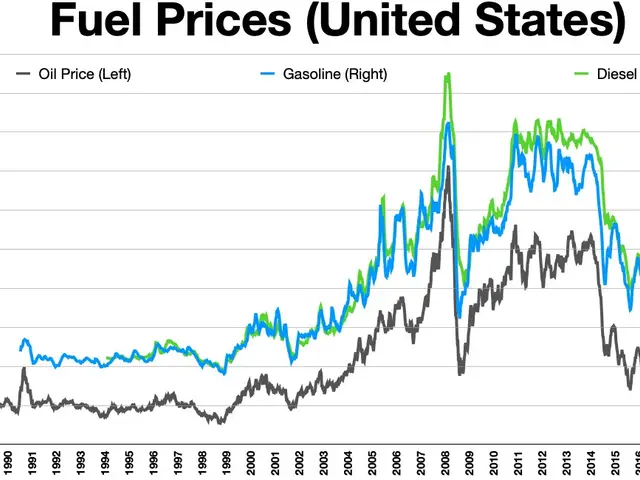
The biggest effects so far have been financial rather than logistical, with prices climbing but no major shortages reported.
Europe's energy security has held steady despite the blockade risks. Klimek points to strategic reserves, alternative suppliers, and rerouted shipments as key safeguards. Even if Houthi attacks escalate in the Red Sea or Suez Canal, he argues that supply chains are unlikely to face severe strain.
Insurance companies, however, are reacting faster than the conflict itself. Many have already pulled coverage for vessels passing through high-risk zones, forcing ships to take longer detours. Data shows that three-quarters of US-bound vessels now avoid the Red Sea entirely, a sharp rise compared to previous years.
The financial impact is already visible. Freight and tanker costs have surged as capacity shifts toward Asia, particularly China. If the war drags on, Europe may turn more to US LNG imports to fill any gaps. Still, the broader geopolitical consequences could outweigh the immediate trade disruptions.
Russia stands to gain the most from the instability. As a major energy producer, it benefits from higher prices and Europe's growing reliance on non-Middle Eastern suppliers. Meanwhile, the EU faces rising economic risks as the conflict drags on.
For now, Europe's energy and goods supplies remain stable, backed by reserves and flexible trade routes. The real pressure comes from higher costs and insurance withdrawals, which push up prices across the board. If tensions persist, the continent's dependence on US LNG and alternative suppliers will likely grow—while Russia's influence in the energy market strengthens further.
Read also:
- American teenagers taking up farming roles previously filled by immigrants, a concept revisited from 1965's labor market shift.
- Weekly affairs in the German Federal Parliament (Bundestag)
- Landslide claims seven lives, injures six individuals while they work to restore a water channel in the northern region of Pakistan
- Escalating conflict in Sudan has prompted the United Nations to announce a critical gender crisis, highlighting the disproportionate impact of the ongoing violence on women and girls.