Mike Lee goes after filibuster over permitting
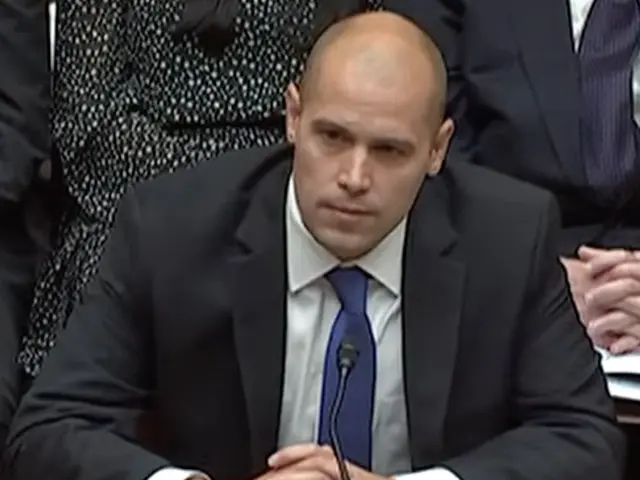
Tensions over energy policy have escalated in Washington after the Interior Department paused five offshore wind projects along the East Coast. The move, justified by national security concerns, has angered Democrats and some Republicans. Meanwhile, Senate Energy Chair Mike Lee has reignited debate by proposing the elimination of the filibuster to push through permitting reforms.
The dispute began when the Interior Department halted offshore wind developments, citing potential risks. Senate Democrats responded by insisting the pause must be reversed before they would resume permitting negotiations. Senator Joe Manchin, a key figure in past energy talks, has not yet commented on the latest standoff.
House Republicans, however, managed to broker a deal on a bipartisan permitting bill. Their compromise exempts certain projects from protective language, allowing discussions to continue. But in the Senate, progress remains stalled.
Senator Mike Lee has suggested scrapping the filibuster—a rule requiring 60 votes to advance legislation—to force through permitting reforms. His proposal follows Democrats stepping back from negotiations. Lee also argued that Republicans could bypass Democratic opposition by exhausting debate or holding votes when Democrats are absent.
Yet his 'nuclear option' has little support. Senate Majority Leader John Thune dismissed calls from Trump and conservative lawmakers to end the filibuster, calling it unrealistic. The American Clean Power Association, meanwhile, urged Congress to establish a bipartisan permitting framework. They warned that without one, administrations could unfairly favour certain energy projects over others.
Lee’s aggressive stance risks isolating him from colleagues still seeking a cross-party deal. His comments have drawn criticism from both sides, complicating efforts to find common ground.
The offshore wind pause and filibuster debate have deepened divisions over energy policy. House Republicans have made headway with a permitting bill, but Senate negotiations remain stuck. Without a compromise, permitting reforms—and the projects they affect—face further delays.
Read also:
- American teenagers taking up farming roles previously filled by immigrants, a concept revisited from 1965's labor market shift.
- Weekly affairs in the German Federal Parliament (Bundestag)
- Landslide claims seven lives, injures six individuals while they work to restore a water channel in the northern region of Pakistan
- Escalating conflict in Sudan has prompted the United Nations to announce a critical gender crisis, highlighting the disproportionate impact of the ongoing violence on women and girls.