MOD cites family life and civilian jobs in troop exits
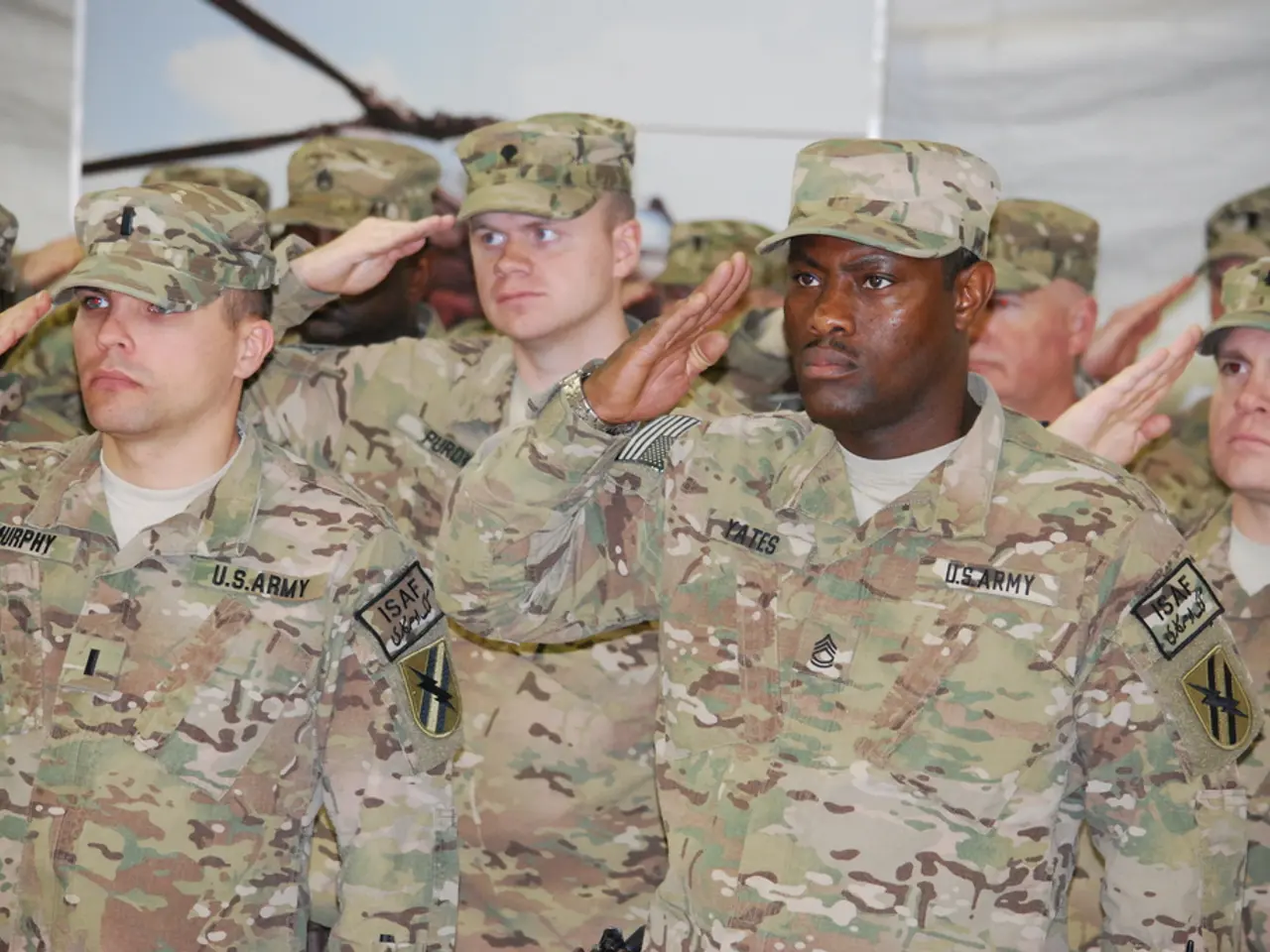
The UK Armed Forces continue to face challenges with recruitment and retention, despite recent efforts to stabilise personnel numbers. A new report highlights a decline in full-time trained strength across the Royal Navy, Royal Marines, RAF, and Army as of October 2025. The government has now announced plans to address the issue, including major policy changes and improved support for service members.
The total number of trained personnel has dropped over the past year, raising concerns about long-term force levels. While the government claims to have halted the overall decline, retention remains a problem across all branches of the military.
The most common reason for leaving is the strain on family and personal life caused by service commitments. Many personnel also cite better opportunities outside the Armed Forces as a key factor in their decision to depart. To tackle these issues, officials will scrap 100 outdated recruitment policies to streamline the process. Former service members will find it easier to rejoin, and a significant pay rise has been confirmed for current personnel. Additionally, new legislation will establish the UK’s first Armed Forces Commissioner, tasked with improving service life and providing independent oversight. No name has yet been announced for the commissioner’s role, but the position is expected to play a key part in future reforms.
The government’s measures aim to reverse the decline in personnel numbers and improve working conditions. Faster re-enlistment, higher pay, and the new commissioner’s oversight are designed to boost retention. However, officials admit that further work will be needed to fully address the ongoing challenges.
Read also:
- American teenagers taking up farming roles previously filled by immigrants, a concept revisited from 1965's labor market shift.
- Weekly affairs in the German Federal Parliament (Bundestag)
- Landslide claims seven lives, injures six individuals while they work to restore a water channel in the northern region of Pakistan
- Escalating conflict in Sudan has prompted the United Nations to announce a critical gender crisis, highlighting the disproportionate impact of the ongoing violence on women and girls.