
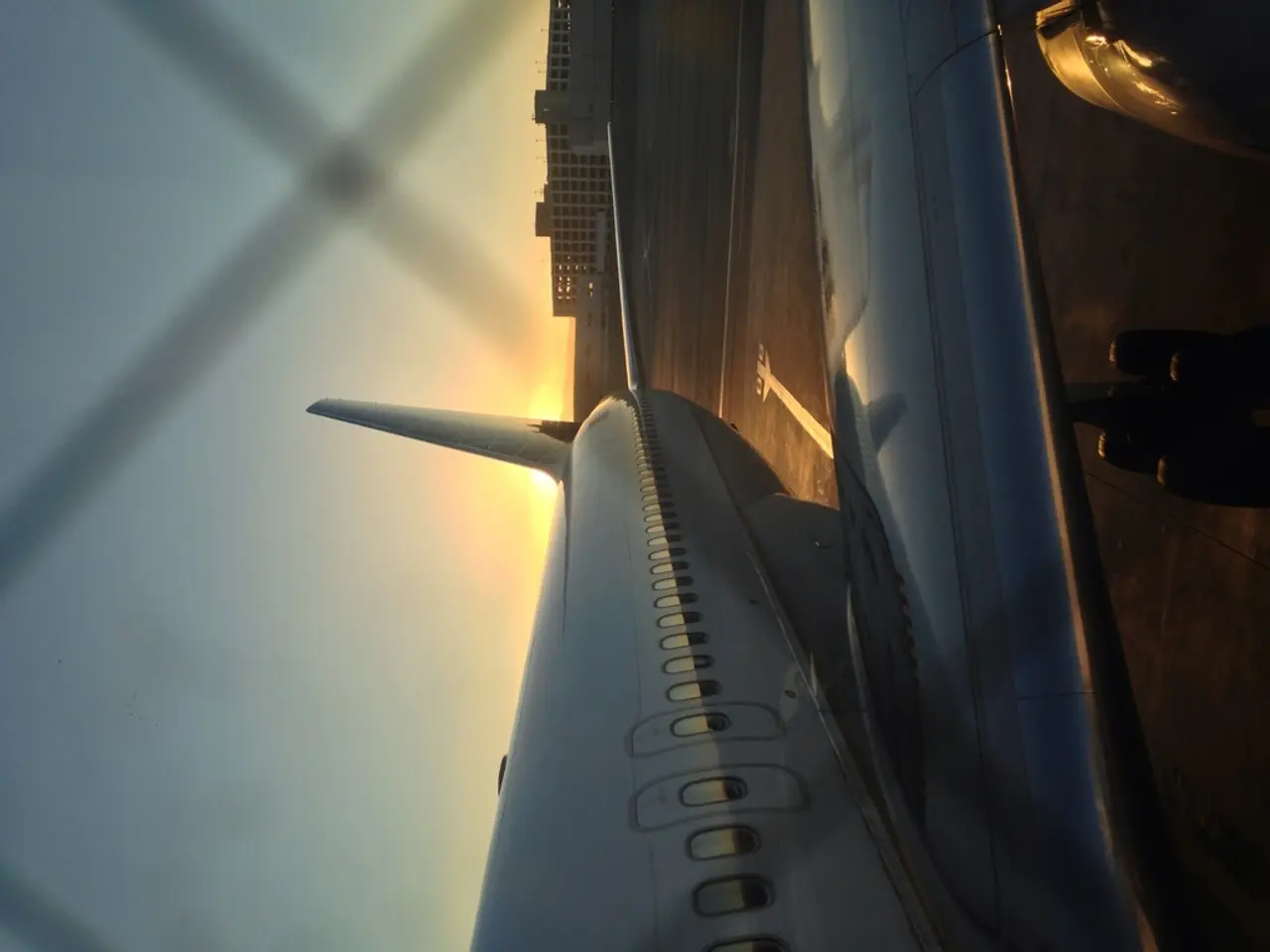
Navigating Turbulent Landings on a Crosswind (Detailed Methodology)
**Mastering Crosswind Landings: A Guide for Pilots**
Crosswind landings can be one of the most challenging aspects of flying, as the wind blowing at an angle to the runway requires skillful control to maintain runway alignment and ensure a safe touchdown. Here are some key techniques, procedural steps, and common pitfalls to avoid when mastering crosswind landings.
**Key Techniques for Crosswind Landings**
1. Establish a Stable Approach Path: Begin with a steady and controlled approach to the runway, accounting for the wind's direction and strength. Maintain a crab angle by pointing the aircraft’s nose slightly into the wind to counter drift and keep aligned with the runway centerline.
2. Maintain the Crab Angle: Use the crab angle to keep the aircraft traveling straight over the ground despite the crosswind. The size of the crab angle varies by aircraft type: commercial airliners require larger crab angles due to higher speeds, whereas general aviation aircraft use smaller angles.
3. Transition from Crab to Sideslip (Wing Low) During Flare: As you approach touchdown, gradually reduce the crab angle by applying rudder to align the aircraft nose with the runway. Simultaneously, lower the upwind wing slightly to counter the crosswind — this “wing low” or sideslip technique helps maintain directional control and soft touchdown on the runway centerline.
4. Touchdown with Proper Alignment: Aim to touch down on the upwind main landing gear first, with the aircraft aligned with the runway to avoid side loads on the landing gear. Use coordinated aileron and rudder inputs to keep the aircraft from drifting or drifting sideways during rollout.
**Procedural Steps**
- Pre-landing briefing: Review wind direction, strength, and runway conditions. Plan your crab angle accordingly. - Approach: Set up for a stable approach with appropriate crab angle while monitoring drift. - Flare: Transition from crab to wing-low method to realign the aircraft for touchdown. - Landing rollout: Use aileron into the wind and rudder to maintain centerline; apply brakes carefully to avoid skidding or locking brakes.
**Avoiding Common Mistakes**
- Overcorrecting with rudder or ailerons: Sudden or excessive inputs cause instability. - Failing to transition from crab to sideslip during flare: This results in landing with crab angle, causing side loads and damaging the landing gear. - Poor approach speed control: Too fast or slow can complicate control in crosswind. - Not maintaining control during rollout: Letting go of controls during landing roll can lead to runway excursions. - Applying heavy brakes prematurely: May cause brakes to lock and loss of directional control.
**Summary Table**
| Aspect | Recommendation | Common Mistake | |-----------------------|------------------------------------------------|-------------------------------------| | Approach | Stable, with crab angle | Unstable approach or inadequate crab| | Crab Angle | Maintain until flare, then smooth transition | Holding crab angle on touchdown | | Flare/Touchdown | Wing low, rudder to align nose with runway | No transition, side loads on gear | | Rollout | Use aileron and rudder to maintain centerline | Relaxing controls, heavy braking |
Mastering crosswind landings involves practice and understanding the balance between crab and sideslip techniques, plus smooth control inputs during flare and rollout. These skills ensure safe, controlled, and precise landings even in challenging crosswind conditions.
If visual or guided instruction is preferred, instructional videos such as the YouTube video on crosswind landings can also enhance understanding and skill development. Starting with light and gentle crosswinds and gradually building up to more challenging conditions is recommended. Landing aligned with the runway requires aligning the aircraft with the runway before the wheels contact the ground.
In the context of mastering crosswind landings, it is crucial for pilots to apply their knowledge of finance in the aviation industry to acquire the necessary training and resources needed for expertise, ensuring smooth and controlled crosswind landings in the transportation sector. Furthermore, understanding the key techniques in finance, such as resource allocation and cost management, can optimize training time and reduce the risk of costly mistakes during landings.





)