New Culture Minister Weimer Sparks Controversy with Conservative Agenda
Wolfram Weimer, the new Minister of the State Chancellery for Culture and Media, has sparked controversy since his appointment by Friedrich Merz. Despite initial hopes that he would depoliticize cultural policy, Weimer has instead used it as a platform for conservative identity politics.
Weimer, who was previously non-partisan, has a history of self-promotion and making grand pronouncements, often drawing criticism for his populist views and inconsistent arguments. His first act as minister was an attempt to ban gender-inclusive language in federal agencies, cultural institutions, and public broadcasting, further fueling right-wing debates.
His indecisiveness on funding commitments for the Bayreuth Festival has left it in planning limbo, with the director warning of insolvency by 2028. Weimer's appointment initially brought relief, but he has since turned the Chancellery's cultural division into a conservative safe space, dutifully reciting the right's cultural mantras.
Weimer's uncompromising stance against antisemitism, while commendable, sometimes undermines dialogue, as seen in the Chefket incident. His appointment was hoped to liberate cultural policy from political ideology, but he has instead become a political ideologue, treating culture as a rhetorical battleground and an era of realpolitik, using it as a domain of conservative purism.
Read also:
- American teenagers taking up farming roles previously filled by immigrants, a concept revisited from 1965's labor market shift.
- Weekly affairs in the German Federal Parliament (Bundestag)
- Landslide claims seven lives, injures six individuals while they work to restore a water channel in the northern region of Pakistan
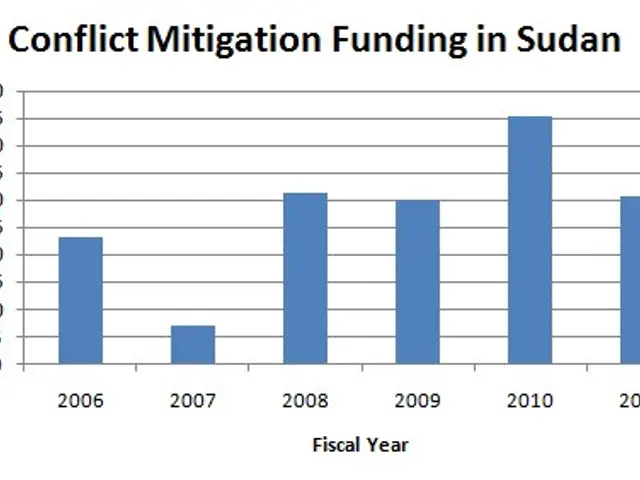
- Escalating conflict in Sudan has prompted the United Nations to announce a critical gender crisis, highlighting the disproportionate impact of the ongoing violence on women and girls.