New Exhibition Under Pressure Unveils Hesse's Bold Political Poster Legacy
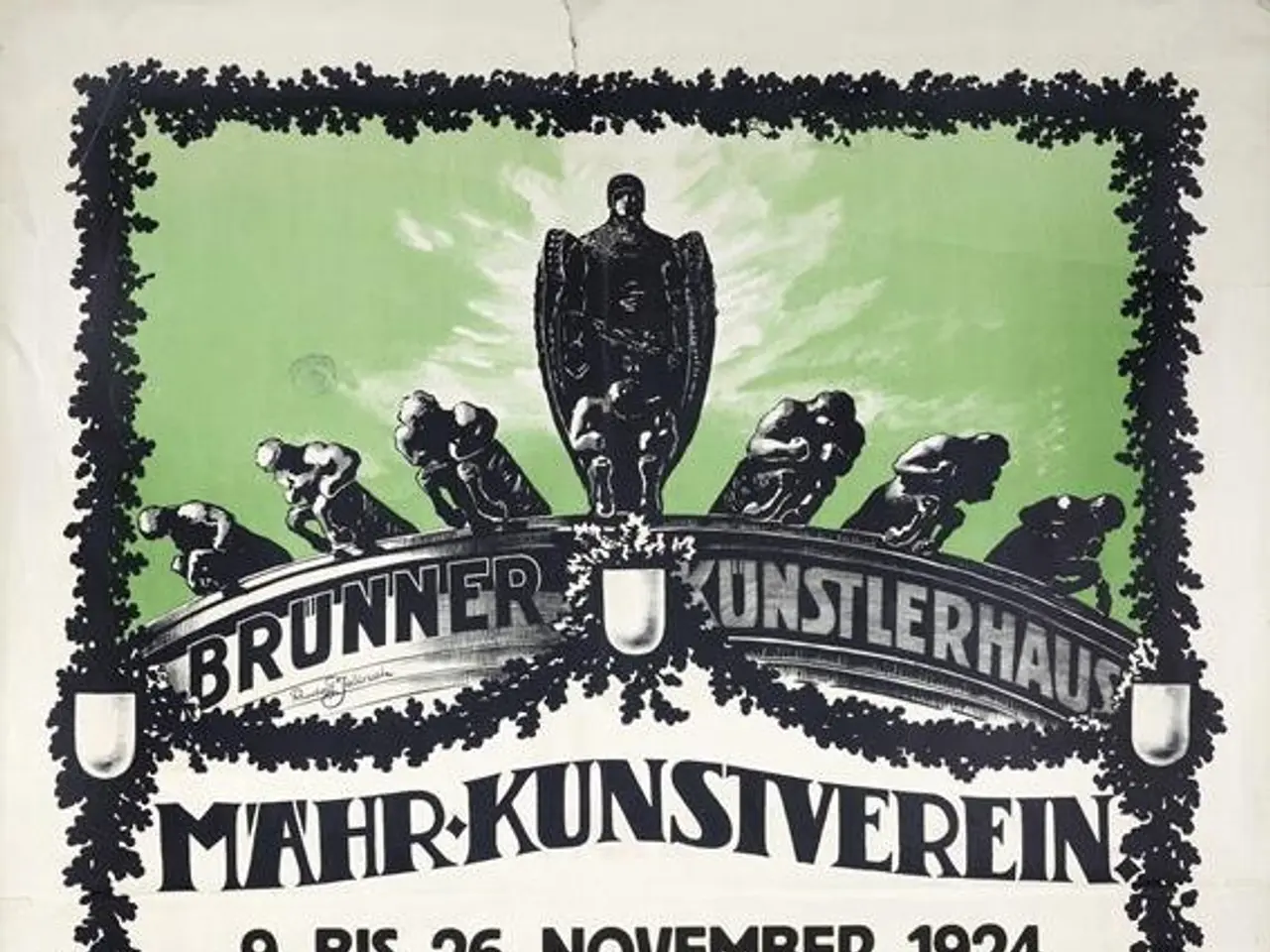
A new exhibition titled Under Pressure: Political Posters has opened at the Hessian State Parliament. The show explores the history of political posters in Hesse and Germany, covering the period from 1945 to the early 1990s. It was officially launched by Parliament President Astrid Wallmann in partnership with the State Museum of Wiesbaden.
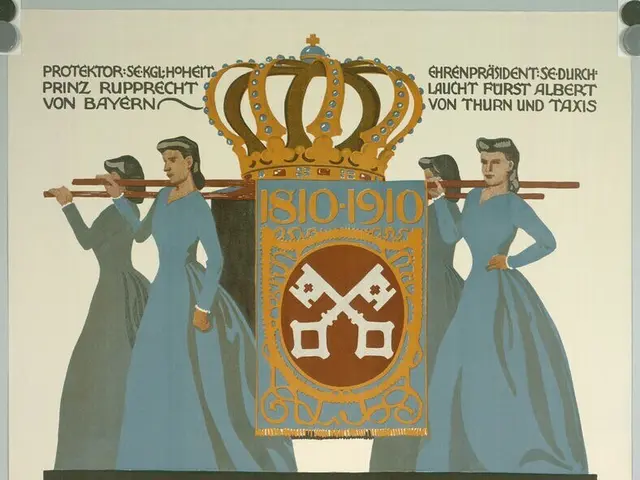
The exhibition is part of the World Design Capital Frankfurt Rhine-Main 2026 programme. It begins with 80 posters from 1918 to 1933, displayed at the State Museum Wiesbaden, before moving into the postwar era. Early designs from the late 1940s and 1950s borrowed from Weimar Republic styles, using bold, heroic figures and bright neon colours to grab attention.
From the 1960s to the 1980s, the posters became more provocative and socially critical. This shift mirrored the rise of student protests, opposition to emergency laws, and the Vietnam War. The designs moved away from simple propaganda, instead encouraging public debate and participation. A panel discussion on the influence of election posters took place at the launch. René Grohnert, Timon Gremmels, and Parliament President Wallmann joined the conversation, moderated by Dr. Peter Forster. A 144-page catalogue, produced with the Museum Wiesbaden, is also available for visitors. Guided tours will run from March 20 to April 11. On April 11, the exhibition will open to the public without registration as part of the *Short Night of Museums and Galleries*.
The exhibition traces over 70 years of political visual culture, from Weimar-era influences to Cold War activism. Visitors can explore the changing role of posters in shaping public opinion. The show remains accessible through guided tours and a special open evening in April.
Read also:
- American teenagers taking up farming roles previously filled by immigrants, a concept revisited from 1965's labor market shift.
- Weekly affairs in the German Federal Parliament (Bundestag)
- Landslide claims seven lives, injures six individuals while they work to restore a water channel in the northern region of Pakistan
- Escalating conflict in Sudan has prompted the United Nations to announce a critical gender crisis, highlighting the disproportionate impact of the ongoing violence on women and girls.