Nigeria's fuel price surge sparks political clash over deregulation impact
A public dispute has broken out over Nigeria's rising fuel prices. Dada Olusegun, Special Assistant to President Bola Tinubu, criticised Peter Obi, the Labour Party's 2023 presidential candidate, for his comments on the issue. Olusegun argued that the price hikes stem from market deregulation, not poor government planning as Obi claimed.
Fuel prices in Nigeria have climbed sharply in recent months. Petrol now costs over ₦1,200 per litre, up from below ₦1,000, while diesel has risen from under ₦1,000 to more than ₦1,500 per litre. These increases have pushed up transport fares, particularly in the Federal Capital Territory (FCT), where residents report higher costs for daily commutes.
Obi blamed the surge on Nigeria's lack of a strategic petroleum reserve and weak government planning. He argued that without buffers against global supply disruptions, the country remains vulnerable to price shocks. Olusegun dismissed this explanation, stating that even nations with large reserves, such as the US and China, rarely use them to control market prices.
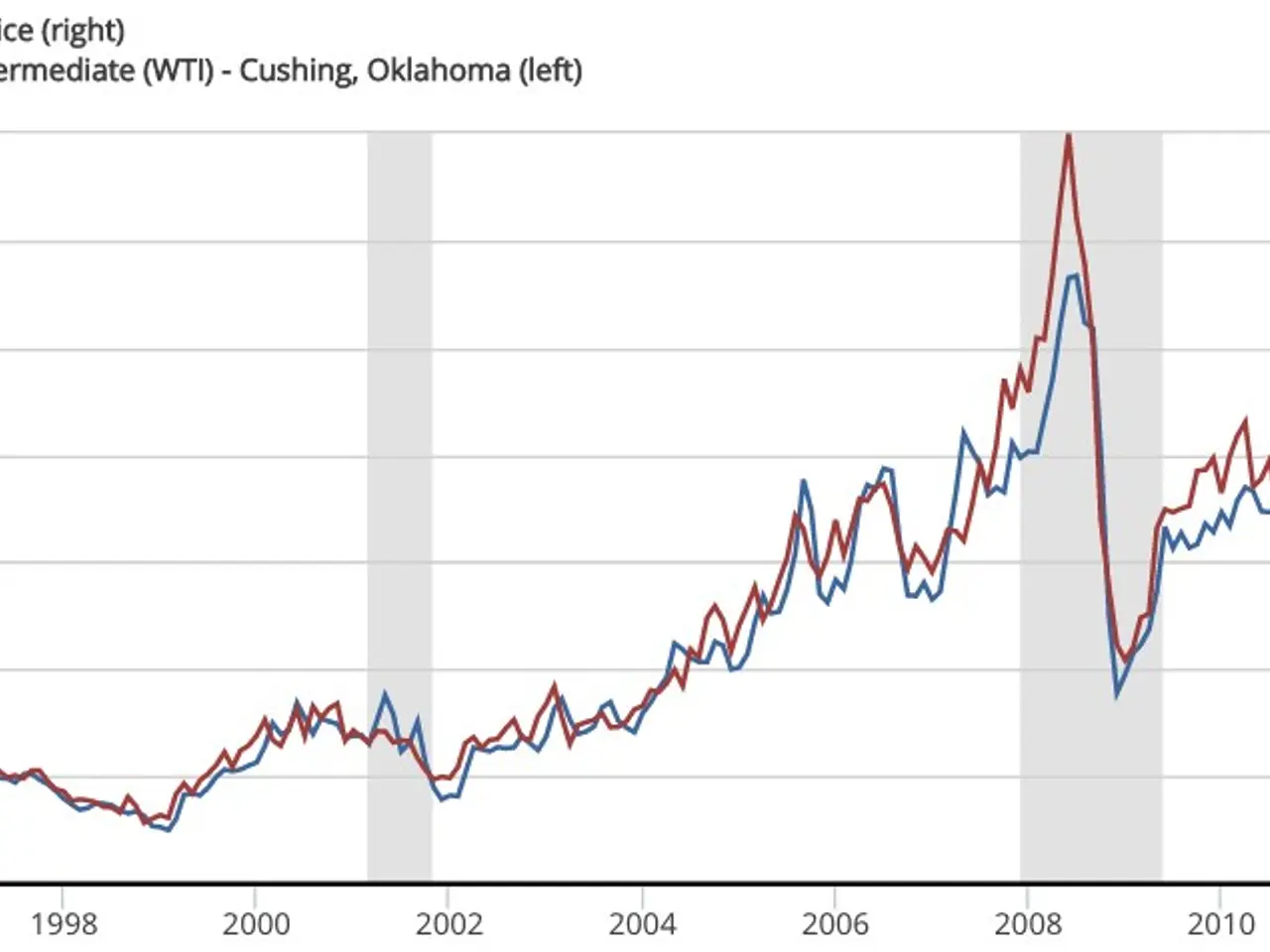
Instead, Olusegun pointed to the Tinubu administration's removal of fuel subsidies and the shift to a deregulated market. Under this system, petrol prices now reflect global oil prices, exchange rates, shipping costs, and supply risks. The Nigerian Midstream and Downstream Petroleum Regulatory Authority (NMDPRA) confirmed that price fluctuations are a direct result of these market forces.
Historically, fuel price rises in Nigeria have triggered broader inflation, affecting food and transport costs. The latest increases have renewed concerns about economic pressure on households and businesses.
The debate highlights the impact of deregulation on Nigeria's fuel market. With prices now tied to global trends, consumers face higher costs for transport and essential goods. The government maintains that market forces, not policy failures, are driving the changes.
Read also:
- American teenagers taking up farming roles previously filled by immigrants, a concept revisited from 1965's labor market shift.
- Weekly affairs in the German Federal Parliament (Bundestag)
- Landslide claims seven lives, injures six individuals while they work to restore a water channel in the northern region of Pakistan
- Escalating conflict in Sudan has prompted the United Nations to announce a critical gender crisis, highlighting the disproportionate impact of the ongoing violence on women and girls.