Nordrhein-Westfalen drivers win shorter hours and higher pay—but who pays the bill?
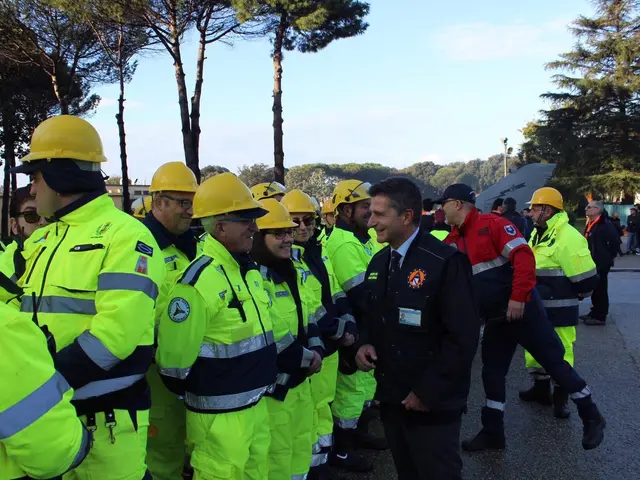
Bus and train drivers in Nordrhein-Westfalen will soon see improved working conditions under a new agreement. The changes include shorter hours, better pay, and extended rest periods. However, these adjustments may lead to higher costs for passengers or taxpayers in the long run. From July 2027, weekly working hours for drivers will drop from 39 to 38.5, with a further reduction to 38 by July 2028. Despite the cut in hours, wages will remain fully compensated. Sunday pay premiums will also rise, alongside extended statutory rest periods.
The new terms aim to make the profession more appealing and help recruit staff. But maintaining the same service levels with fewer hours could require hiring more drivers. This would push up payroll expenses, along with higher premiums and additional days off. Before the agreement, median gross monthly earnings for drivers nationwide averaged €3,522. In Köln, the figure was around €3,900—higher than in Brandenburg (€3,100) but lower than in Baden-Württemberg (€4,000). The exact hourly rates in Nordrhein-Westfalen were not explicitly recorded. The financial impact remains unclear. Public authorities, federal or state governments, or passengers may need to cover the extra costs. In Solingen, this could eventually lead to fare increases for travellers.
The deal offers drivers better conditions and may help address staff shortages. Yet the long-term funding debate has only just started. Passengers and taxpayers could face higher costs as the industry adjusts to the changes.
Read also:
- Federal Funding Supports Increase in Family Medicine Residency Program, Focusing on Rural Health Developments
- Potential Role of DHA in Shielding the Brain from Saturated Fats?
- Alternative Gentle Retinoid: Exploring Bakuchiol Salicylate for Sensitive Skin
- Hanoi initiates a trial program for rabies control, along with efforts to facilitate the transition from the dog and cat meat trade industry.