Palace of Westminster restoration may force MPs to relocate for decades
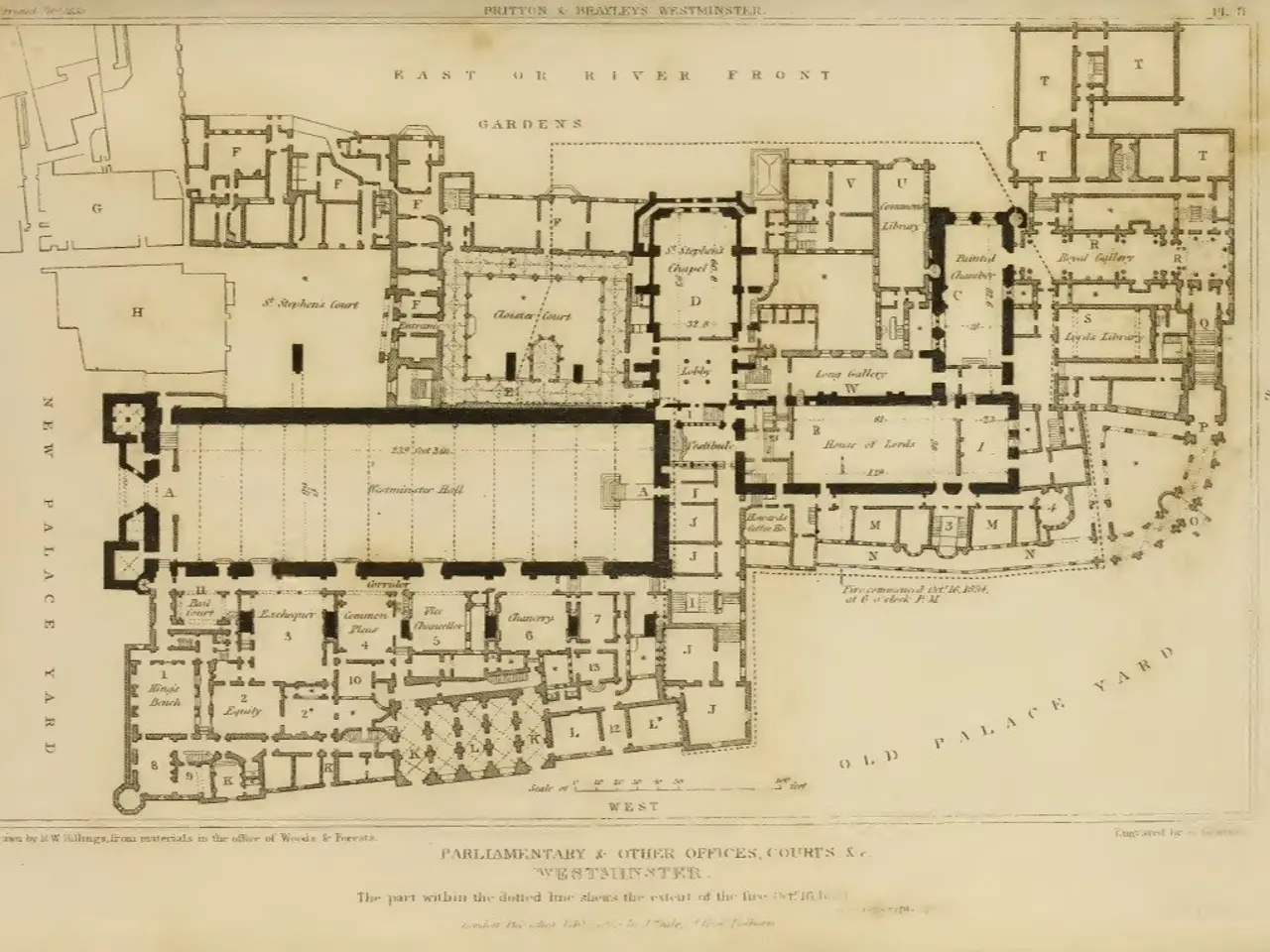
The planned restoration of the Palace of Westminster could take up to 40 years, with work likely starting in the late 2020s or early 2030s. Jack Pringle, Chair of the RIBA Board of Trustees, has proposed that MPs and Lords relocate during the refurbishment to cut costs and improve efficiency. He argues that staying in the decaying building would be impractical and waste billions in taxpayer funds.
The Palace of Westminster faces severe structural decay, requiring a lengthy and expensive overhaul. Pringle estimates that vacating the site entirely could save around £25 billion. He suggests leasing a modern tower—around 60,000 square metres—with double-height floors for chambers and state rooms, ideally in Vauxhall, the City, or Canary Wharf.
Other temporary options have been discussed, including the Queen Elizabeth II Conference Centre, Richmond House, or even the Ricoh Arena in Coventry. However, no final decision has been made, with cost remaining a major obstacle. Pringle dismisses the North Estate as unsuitable, calling it neither efficient nor secure enough for parliamentary needs.
He points to RIBA's own experience as proof that relocation works. The organisation recently moved into renovated offices near Euston, improving collaboration and efficiency. Pringle also predicts mixed feelings when MPs and Lords eventually return after a decade in alternative premises.
The refurbishment of the Palace of Westminster will span decades, with debates ongoing over where politicians should work in the meantime. Pringle insists that leasing a new building would be cheaper, more accessible, and far less disruptive than staying put. The final decision, however, will depend on balancing cost, security, and practicality.
Read also:
- American teenagers taking up farming roles previously filled by immigrants, a concept revisited from 1965's labor market shift.
- Weekly affairs in the German Federal Parliament (Bundestag)
- Landslide claims seven lives, injures six individuals while they work to restore a water channel in the northern region of Pakistan
- Escalating conflict in Sudan has prompted the United Nations to announce a critical gender crisis, highlighting the disproportionate impact of the ongoing violence on women and girls.