Panama Canal rebounds as rainfall eases drought and trade shifts
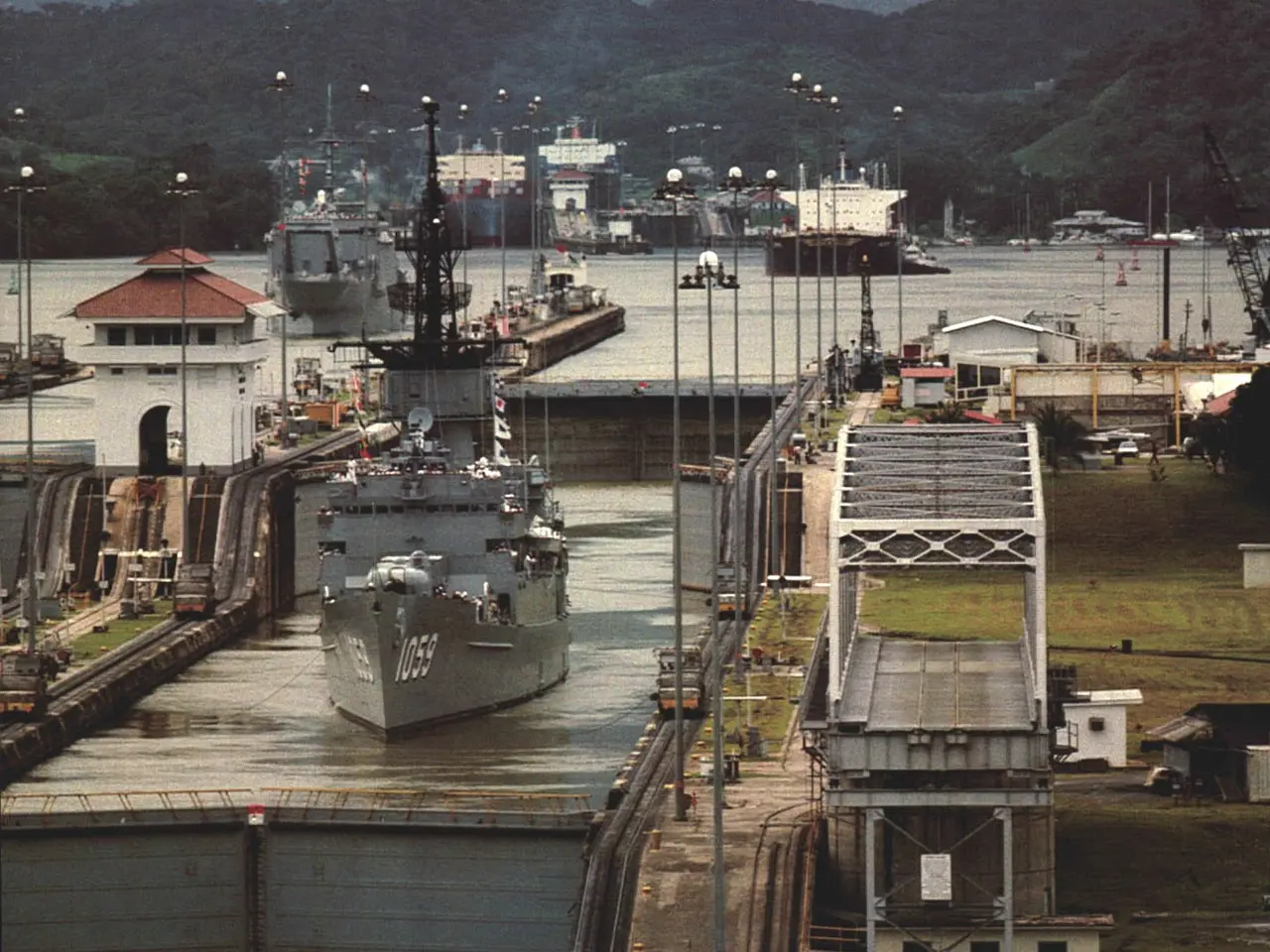
The Panama Canal is seeing a gradual rise in vessel transits after months of weather-related restrictions. Recent rainfall has eased drought conditions, allowing more ships to pass through the key waterway. Meanwhile, shifts in global energy trade are also drawing attention to its strategic role.
Last year, severe drought caused by El Niño slashed daily transits from 36 to just 24. The dry spell forced authorities to limit crossings, disrupting global shipping routes. But an unusually wet dry season this year has improved water levels, now permitting 40 to 41 transits per day.
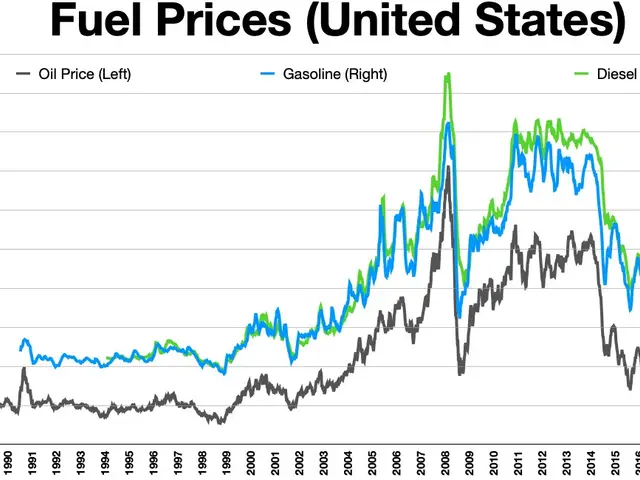
The canal's shorter 50-mile route—less than half the length of the Suez Canal—already makes it a cost-effective choice for shippers. With fuel prices climbing, more vessels are opting for this quicker passage between the Atlantic and Pacific. Elsewhere, the war in the Middle East is reshaping energy flows. At least four cargoes of US liquefied natural gas (LNG), originally bound for Europe, have been rerouted to Asia. The conflict has also made it more profitable for American LNG exports to reach Europe via the East Coast, bypassing traditional routes like the Strait of Hormuz, which handles a fifth of the world's LNG trade. Analysts suggest the Panama Canal could benefit from these shifts. If Asian demand for LNG grows, more tankers may choose the canal to cut travel time and costs.
The Panama Canal now handles up to 41 ships daily, up from last year's drought-restricted levels. Its shorter distance and lower fuel costs continue to attract global trade. With energy routes shifting due to geopolitical tensions, the canal's role in LNG transport may expand further.
Read also:
- American teenagers taking up farming roles previously filled by immigrants, a concept revisited from 1965's labor market shift.
- Weekly affairs in the German Federal Parliament (Bundestag)
- Landslide claims seven lives, injures six individuals while they work to restore a water channel in the northern region of Pakistan
- Escalating conflict in Sudan has prompted the United Nations to announce a critical gender crisis, highlighting the disproportionate impact of the ongoing violence on women and girls.