Parents demand action as ultra-processed foods dominate American diets
A growing number of parents are calling for stricter government controls on food additives, dyes, and sugars. Many also want better access to healthier options like fresh produce, whole grains, and lean proteins. The push comes as concerns rise over the health risks tied to ultra-processed foods.
A new special, Gut Check: The Foods We Eat, will air on Wednesday, Nov. 19, at 8:30 p.m. ET on Live Prime. The programme will examine how these foods affect public health and why so many families rely on them daily.
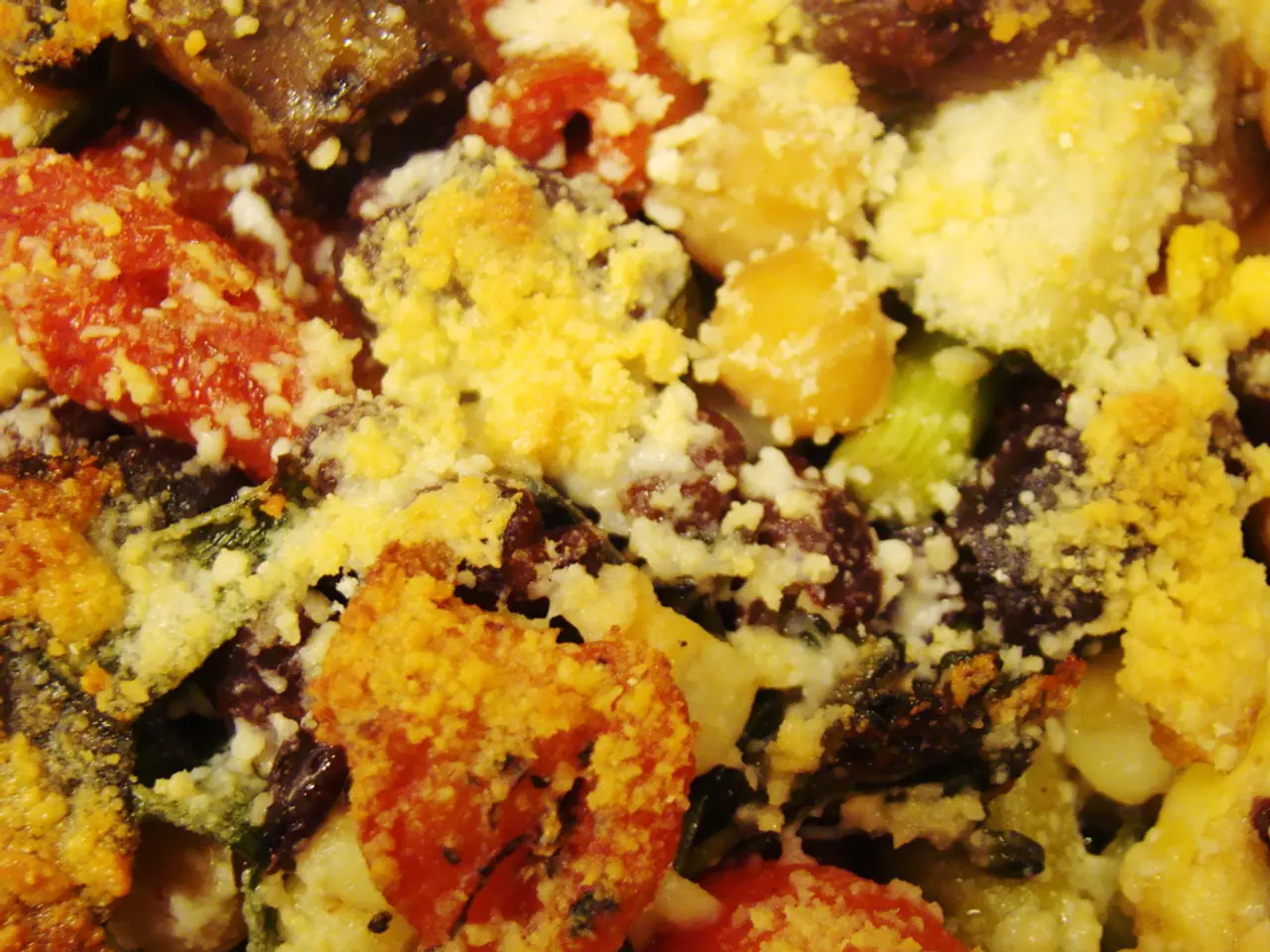
Ultra-processed foods now make up more than half of the average American’s daily calorie intake. These products—ranging from sugary drinks and instant soups to frozen pizzas and energy bars—are packed with cheap ingredients like hydrogenated oils, syrups, and artificial additives. Studies link them to serious health problems, including obesity, type 2 diabetes, heart disease, and even higher death rates.
The Trump administration has urged food manufacturers to cut synthetic dyes and other additives from their products. Meanwhile, the Make America Health Again (MAHA) movement has gained traction, with four in 10 parents backing its goals. Support is strongest among Republicans and white parents.
Health experts argue that global policy changes are needed to tackle the issue. They recommend reforms in food production, stricter marketing rules, and easier access to unprocessed foods. Without action, the reliance on convenience foods could deepen existing health crises.
The Gut Check special will highlight the risks of ultra-processed foods and why families find them hard to avoid. With many parents demanding change, pressure is mounting on both companies and lawmakers. The outcome could shape future food regulations and public health strategies.
Read also:
- American teenagers taking up farming roles previously filled by immigrants, a concept revisited from 1965's labor market shift.
- Weekly affairs in the German Federal Parliament (Bundestag)
- Landslide claims seven lives, injures six individuals while they work to restore a water channel in the northern region of Pakistan
- Escalating conflict in Sudan has prompted the United Nations to announce a critical gender crisis, highlighting the disproportionate impact of the ongoing violence on women and girls.