PETA's bloody protest exposes the dark truth behind leather fashion
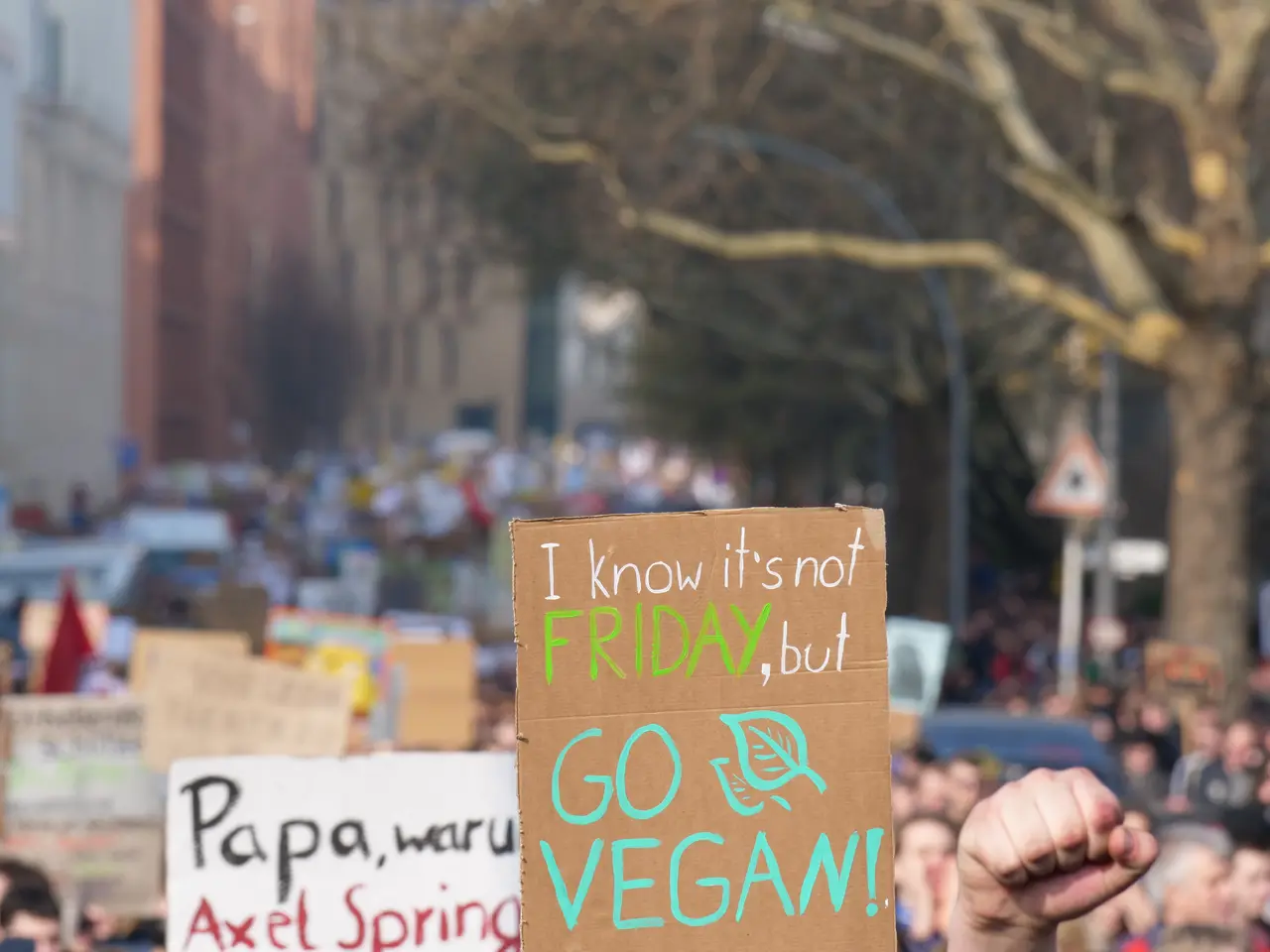
A dramatic protest unfolded on Halle Boulevard this week as PETA activists drew attention to the leather industry's impact. A nearly naked demonstrator held a sign reading 'Leather Kills' alongside a bloody papier-mâché cow's head. The stunt aimed to expose the environmental and ethical costs of leather production.
Each year, over 1.4 billion cows, goats, and sheep are slaughtered for their hides. The industry also drives deforestation, with cattle farming responsible for roughly 36% of global forest loss.
The protest took place outside a leather goods shop, where PETA activists highlighted what they call the 'bloody reality' behind fashion accessories. Undercover investigations have repeatedly uncovered severe animal welfare violations. At one U.S. slaughterhouse supplying Wilson Sporting Goods, footage revealed cruel treatment of animals destined for leather production.
In major leather-producing countries like India and China, animals often endure harsh conditions. Long-distance transport, overcrowded stalls, and brutal handling remain widespread. Germany, too, faces criticism for practices such as confining cattle in dark, faeces-filled enclosures and live exports.
The global leather market is dominated by five key producers: India, China, Brazil, Italy, and the USA. Together, India and China account for over 50% of worldwide production. The largest consumers include China, the USA, Italy, Vietnam, and India.
PETA advocates for alternatives like apple leather, pineapple leather, and synthetic materials. The organisation has certified over 1,000 companies worldwide for using cruelty-free options.
The protest underscores growing scrutiny of the leather trade's environmental and ethical consequences. With cattle farming linked to deforestation and billions of animals slaughtered annually, pressure mounts for sustainable alternatives. PETA continues to push for vegan materials as a replacement in the fashion industry.
Read also:
- American teenagers taking up farming roles previously filled by immigrants, a concept revisited from 1965's labor market shift.
- Weekly affairs in the German Federal Parliament (Bundestag)
- Landslide claims seven lives, injures six individuals while they work to restore a water channel in the northern region of Pakistan
- Escalating conflict in Sudan has prompted the United Nations to announce a critical gender crisis, highlighting the disproportionate impact of the ongoing violence on women and girls.