Poland's PiS Party Pushes EU Emissions Trading System Exit Amid Coal Debate
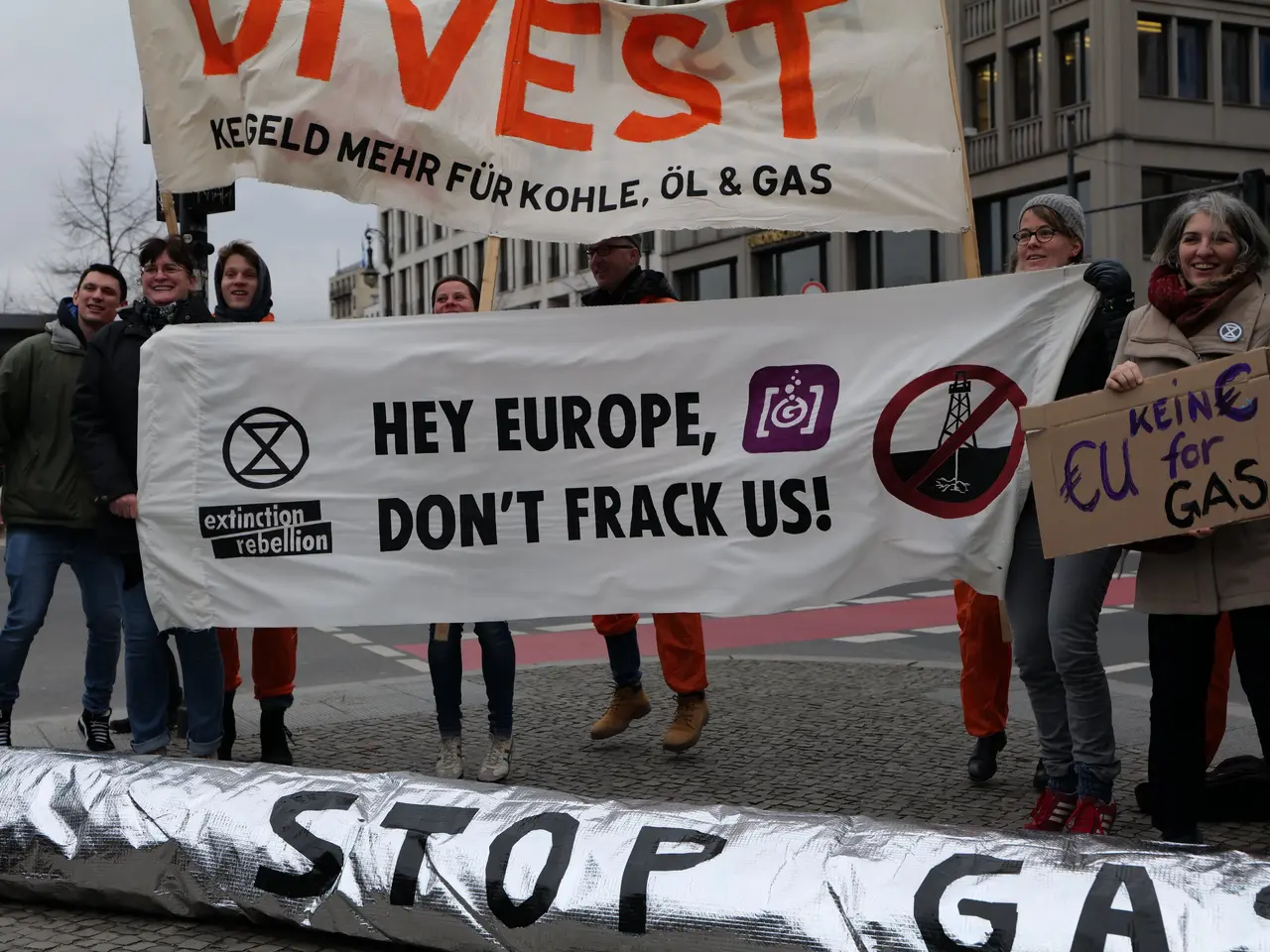
Poland's opposition Conservatives (PiS) have pushed for the country to exit the EU's Emissions Trading System (ETS). Their candidate for prime minister, Przemysław Czarnek, announced the proposal at a coal-fired power station in Warsaw. The move comes as the party seeks to challenge the centre-left government's climate policies and counter rising support for other right-wing groups.
Czarnek claimed that leaving the ETS would slash energy bills by several dozen per cent. His nomination as PiS's prime ministerial candidate is widely seen as a strategy to strengthen the party's position against rival right-wing factions.
President Karol Nawrocki has also called on the government to push for an end to the ETS at the European Council. Last year, Poland's constitutional court ruled that EU energy and climate regulations, including the ETS, clash with the country's constitution. The current administration, led by Prime Minister Donald Tusk, holds a strong parliamentary majority with 243 of 460 seats. It argues that abandoning the ETS would effectively mean leaving the EU. Meanwhile, Tusk's government continues to back EU climate policies, including the emissions trading scheme. Poland still depends on coal for over half its electricity, making the ETS a financial burden. Nawrocki has repeatedly defended coal as the backbone of Poland's energy security and demanded an exit from the ETS ahead of a recent EU summit.
The PiS resolution to leave the ETS sets up a direct clash with Tusk's pro-EU climate stance. With Poland's heavy reliance on coal, the debate over the ETS will likely remain a key issue in domestic energy and environmental policy. The government's next steps will determine how the dispute unfolds within the EU framework.
Read also:
- American teenagers taking up farming roles previously filled by immigrants, a concept revisited from 1965's labor market shift.
- Weekly affairs in the German Federal Parliament (Bundestag)
- Landslide claims seven lives, injures six individuals while they work to restore a water channel in the northern region of Pakistan
- Escalating conflict in Sudan has prompted the United Nations to announce a critical gender crisis, highlighting the disproportionate impact of the ongoing violence on women and girls.