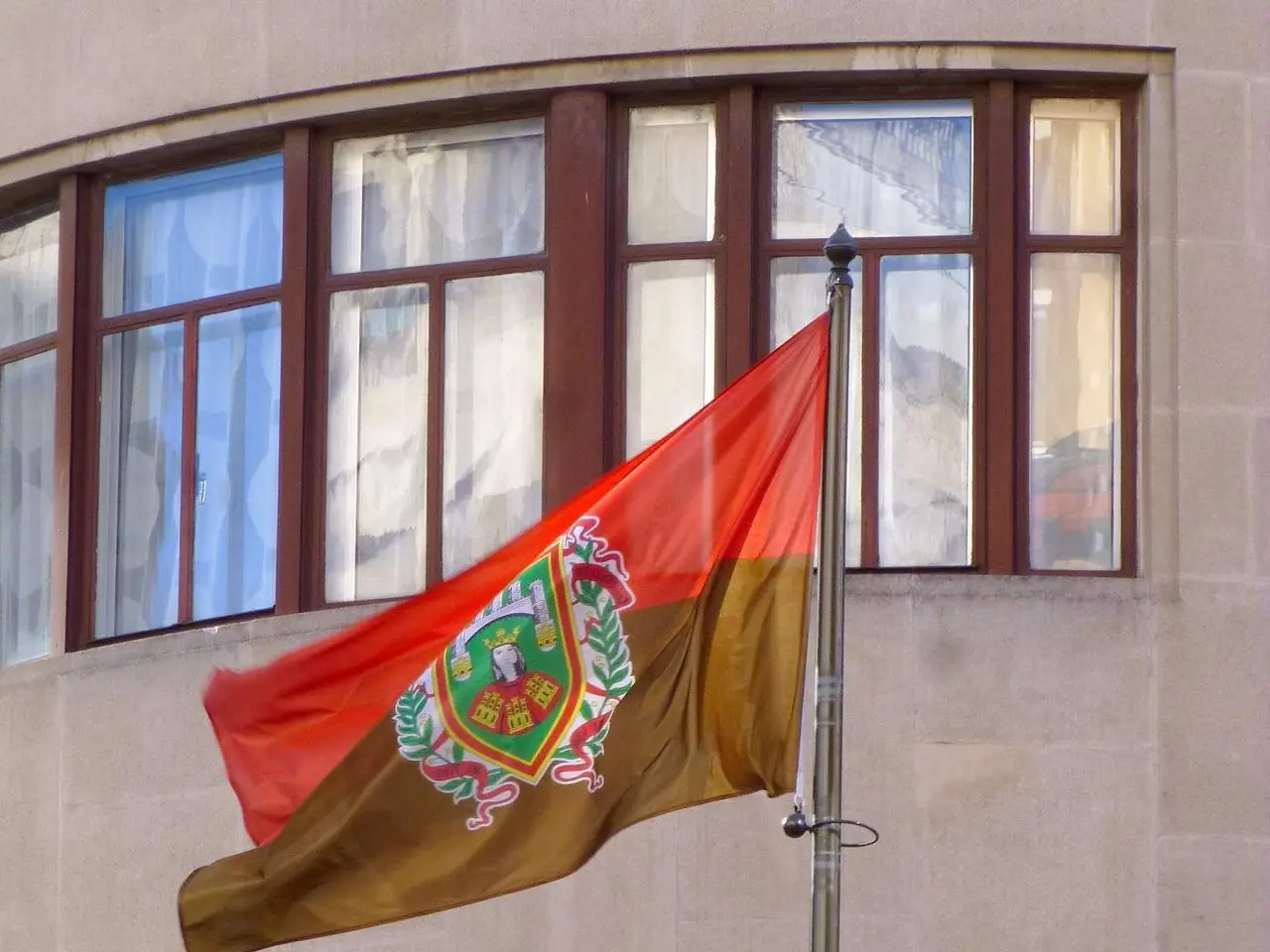
Portuguese parties push to ban non-state flags on public buildings
Two Portuguese political parties, Chega and CDS-PP, have proposed new laws to restrict which flags can fly on public buildings. Their draft legislation would limit displays to only national, EU, and official institutional flags. Both parties argue the move would protect state neutrality and institutional identity.
The proposals come amid debates over whether flags linked to specific communities or causes should appear on government property. Each party has put forward its own version of penalties for violations, with CDS-PP favouring disciplinary measures and Chega pushing for fines.
CDS-PP spokesperson João Almeida explained that the initiative aims to uphold national symbols and prevent public buildings from becoming platforms for division. The party insists flags should represent unity, not ideological or power struggles. Their draft law seeks to clarify rules and avoid controversies over which flags are displayed.
Chega's proposal takes a stricter stance, arguing that flying flags tied to particular groups or causes conflicts with the principles of equality and impartiality in public administration. The party's draft states that granting institutional visibility to certain communities undermines the state's neutral role. Unlike CDS-PP, Chega advocates for financial penalties rather than administrative sanctions. While both parties agree on restricting flag displays, the exact number of local conflicts or resolutions over non-state flags remains unclear. Such disputes are handled at the municipal level and are not systematically recorded nationwide. This makes it difficult to assess how widely the issue has arisen across Portugal.
The proposed laws would mark a shift in how public buildings represent identity and authority. If passed, only Portuguese, EU, and official institutional flags would be permitted. The outcome could reshape local debates over symbolism and the role of public spaces in reflecting community causes.
Read also:
- American teenagers taking up farming roles previously filled by immigrants, a concept revisited from 1965's labor market shift.
- Weekly affairs in the German Federal Parliament (Bundestag)
- Landslide claims seven lives, injures six individuals while they work to restore a water channel in the northern region of Pakistan
- Escalating conflict in Sudan has prompted the United Nations to announce a critical gender crisis, highlighting the disproportionate impact of the ongoing violence on women and girls.