Procedure for Detention - Rationale - Location
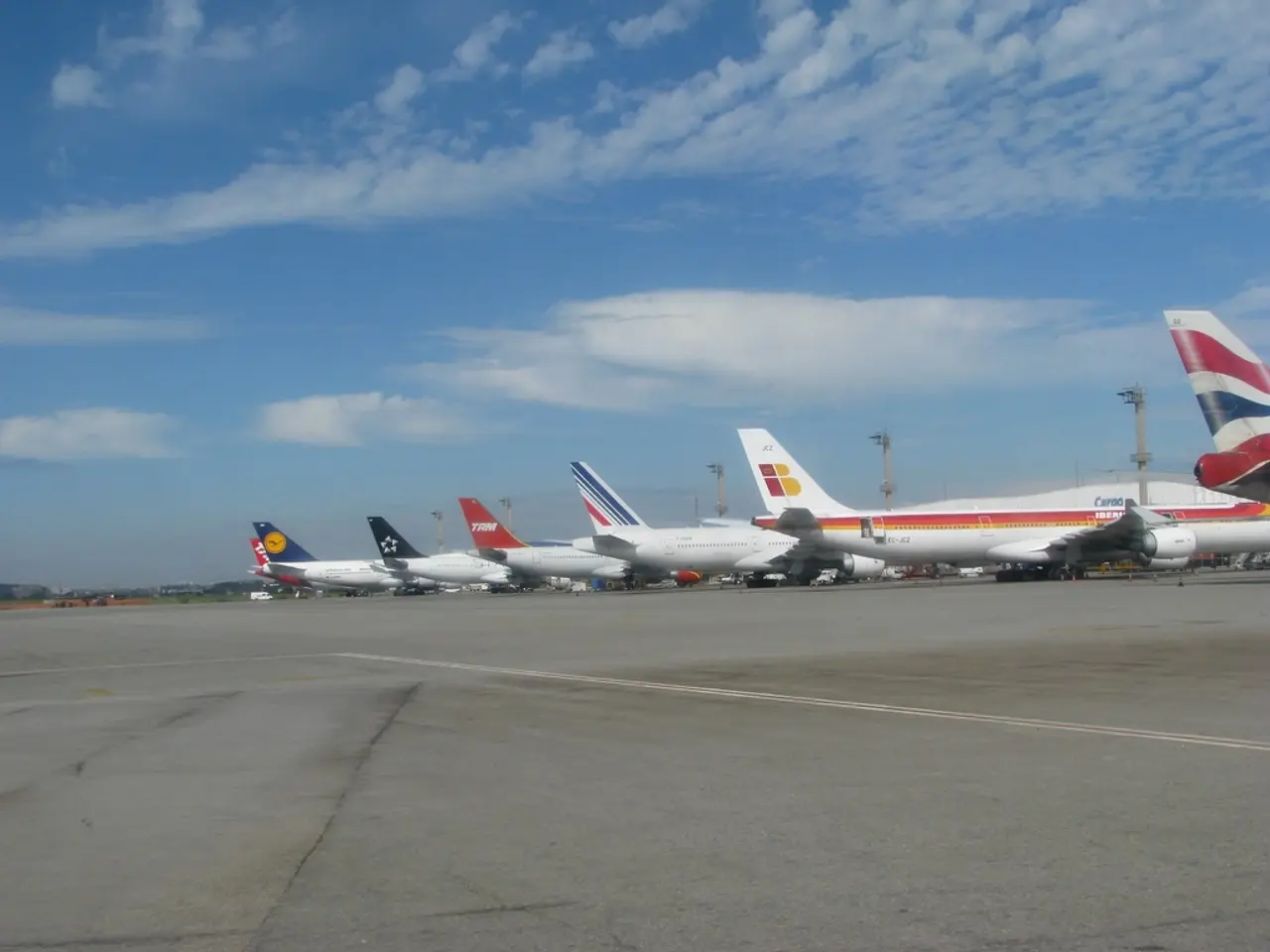
Aircraft holding patterns are a common sight at busy airports, especially during peak travel times. These predetermined maneuvers serve a crucial role in maintaining safety, orderly flow, and operational efficiency under various conditions.
A holding pattern is a maneuver that keeps aircraft within a specified airspace while awaiting further clearance from air traffic control. These patterns can be performed in pre-planned areas and altitudes or on the basis of another coordinate approved by the controller.
One of the key factors that trigger holding patterns is traffic congestion. When airports have high traffic, air traffic controllers (ATC) direct aircraft into holding patterns to keep a manageable and predictable flow, avoiding conflicts and ensuring proper separation.
Weather conditions also play a significant role in causing aircraft to hold. Poor visibility, storms, or adverse weather near the airport can delay landings, requiring planes to hold in the air until conditions improve.
Runway availability or closures due to maintenance or emergencies can lead to aircraft entering holding patterns. Sudden airspace closures or restrictions, such as military activity or security concerns, may also force ATC to hold aircraft safely until clearance is granted.
Sequencing and spacing are other essential factors. Holding patterns provide a regulated area for aircraft to fly while awaiting clearance, enabling ATC to sequence arrivals safely and maintain required spacing distances.
Pilots adjust heading and timing in holding patterns to compensate for wind, ensuring the aircraft remains within designated airspace. The size and protection areas of holding patterns vary by aircraft type due to differences in speed and maneuverability.
Safety considerations such as maintaining situational awareness and avoiding unstabilized approaches are also reasons why ATC may place aircraft in holding patterns to prevent incidents. Forbidden areas, such as important buildings, facilities, and regions, are taken into account when determining holding points. Urbanized areas can have rules set for holding points, such as flying above a certain altitude.
Navigational aids play a role in determining holding points, as aircraft reference ground-based devices for navigation. The location of navigation aids can serve as designated holding points for aircraft.
Air traffic management aims to ensure the smooth, safe, and quick flow of flights, which is an important factor in determining holding points. Studies such as airspace design and airspace capacity aim to minimize the holding that may occur.
Airport and air traffic slot applications serve to minimize holding that may occur. However, it's important to note that holding patterns are not performed for leisure, but for safety reasons, with safety concerns and expectations being the primary reasons for most holding maneuvers.
In sum, holding patterns function as temporary, controlled delays designed to maintain safety, orderly flow, and operational efficiency under various conditions including traffic volume, weather, and airspace constraints.
Financing in the aviation industry is critical to maintain proper air traffic flow, as it funds air traffic management systems that help determine and manage holding patterns efficiently.
Efficient transportation relies on the well-implemented finance and management of the aircraft industry, including the use of holding patterns to ensure smooth and safe air travel, especially during peak times.