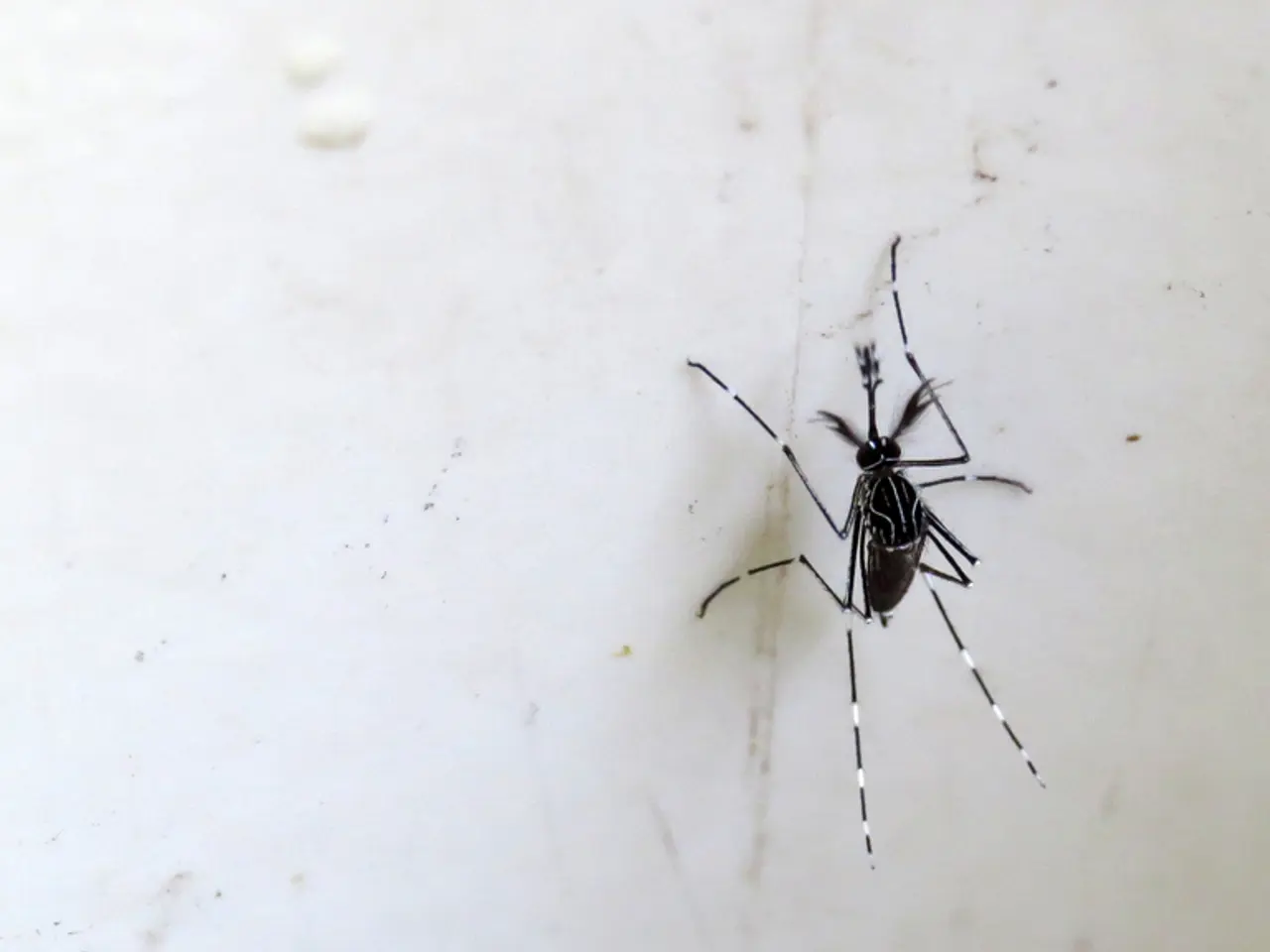
Public urges to rally behind Khánh Hòa amidst a surge in dengue cases
Khánh Hòa Province, a picturesque coastal region in Vietnam, is currently grappling with a surge in dengue fever cases. Mountainous communes that reported no cases in 2024 now have 65 confirmed cases, a concerning development for health authorities.
The Centre for Disease Control (CDC) in Khánh Hòa Province has responded swiftly, directing local authorities to carry out mosquito and larvae eradication campaigns. The CDC has also proposed the establishment of inspection teams to monitor the disease at ward and commune levels, following the recent rearrangement of administrative units.
Community involvement is a key strategy in the fight against dengue. Communities in Khánh Hòa launched mosquito larva clean-up campaigns in response to the 15th ASEAN Dengue Day on June 15. Regular clean-up drives, aimed at reducing mosquito breeding grounds, are central to the prevention effort.
Experts also emphasise the importance of protective measures, such as the use of bed nets and mosquito-killing devices, to reduce human exposure to mosquito bites. Prompt reporting of suspected cases is crucial for effective disease monitoring and response.
However, controlling dengue in Khánh Hòa and Vietnam more broadly presents several challenges. The disease's unpredictable development complicates timely and effective response, while the absence of dengue-specific antiviral drugs limits treatment options to supportive care. High prior exposure to the virus in nearby areas indicates ongoing transmission risks and challenges in fully interrupting the cycle.
Recent rain showers in Khánh Hòa Province have created ideal conditions for mosquito breeding, exacerbating the situation. The provincial CDC has highlighted public complacency and issues with the national disease reporting system as additional challenges.
In response, the provincial health sector is urging the public to remove mosquito breeding sites, join clean-up campaigns, and report suspected cases promptly. Health workers are also spraying chemicals to kill mosquitoes and instructing people on how to prevent the spread of dengue fever.
Despite these efforts, a dengue-related death occurred in a patient with pre-existing health conditions and delayed medical treatment in May. As of early 2025, the CDC of Khánh Hòa Province has reported over 3,300 cases of dengue fever.
With 41 active outbreak zones in the province and the number of cases in June exceeding the epidemic warning threshold in some areas, Khánh Hòa Province is urging residents to help curb the rising number of dengue fever cases. Experts advocate for coordinated and integrated solutions across sectors to achieve zero dengue-related deaths, highlighting the need for joint efforts between healthcare, local authorities, and the community. Ongoing public support and integrated strategies are critical to reversing the current trend of rising dengue cases.
- Ai-powered tools can assist in predicting and tracking the spread of dengue fever, providing valuable insights for the healthcare industry.
- Science has yet to develop a specific antiviral drug for dengue, making support care the primary treatment option.
- In the domain of workplace wellness, promoting awareness about dengue and providing protective measures can minimize risk for employees.
- Medical conditions like chronic diseases can weaken the immune system, making individuals more susceptible to complications from dengue.
- The increasing acceptance of CBD in the medical field may lead to potential treatments for neurological disorders, freeing resources for combating dengue.
- The impact of climate change on weather patterns contributes to the creation of ideal conditions for mosquito breeding, worsening dengue outbreaks.
- Manufacturing industries should follow strict sanitation protocols to prevent the proliferation of mosquitoes and the spread of dengue.
- Mental health issues can lead to non-compliance with preventive measures and delayed treatment, increasing the gravity of dengue.
- Men's health encompasses various aspects, including dengue prevention through education on protective measures and early reporting of symptoms.
- Skin care products can help protect the skin from mosquito bites, offering an additional layer of defense against dengue.
- Therapies and treatments such as antipyretics can provide relief from dengue symptoms, improving quality of life for patients.
- As people age, their immune systems weaken, making them more susceptible to dengue and other diseases.
- Women's health extends to addressing dengue risks during pregnancy, ensuring the health and wellbeing of both mother and baby.
- Parenting responsibilities include educating children about dengue prevention methods to safeguard their wellbeing.
- Weight management is crucial, as obesity can increase the risk of severe dengue complications.
- Cardiovascular health is crucial for maintaining a strong immune system and minimizing risks associated with dengue.
- The healthcare industry should collaborate with environmental science experts to develop effective strategies for mosquito control and prevention of dengue.
- Financial institutions can support initiatives to combat dengue by investing in preventive campaigns and research for treatments.
- A growing concern in the energy sector is the potential impact of power generation activities on the breeding of mosquitoes and the spread of dengue.
- Skin conditions like eczema can increase the likelihood of mosquito bites, requiring extra precautions to prevent dengue transmission.
- Space and astronomy science can contribute to understanding climate change and its effects on dengue outcomes, informing preventive measures.
- Retail establishments can promote dengue prevention by providing educational materials and mosquito-repellent products to customers.
- Public transit systems should ensure cleanliness and upkeep to minimize mosquito breeding grounds and the risk of dengue.
- Entrepreneurship in the health sector can drive innovation in dengue prevention, treatment, and education.
- Transportation infrastructure can benefit from dengue prevention measures along with regular maintenance to reduce breeding grounds.
- Key leadership qualities for managing dengue outbreaks include adaptability, collaboration, and decisive decision-making.
- Diversity and inclusion in the workplace can foster ideas and strategies for combating dengue, as team members bring unique perspectives to the table.
- The automotive industry can incorporate protective features against mosquitoes in its vehicles, safeguarding passengers from potential dengue transmission.
- Small businesses should prioritize dengue prevention measures to create a safe working environment and protect employees' health.
- Effective dengue prevention strategies should be integrated with personal finance management, demonstrating the importance of prioritizing health in financial planning.