Record beef and coffee prices push grocery bills to breaking point
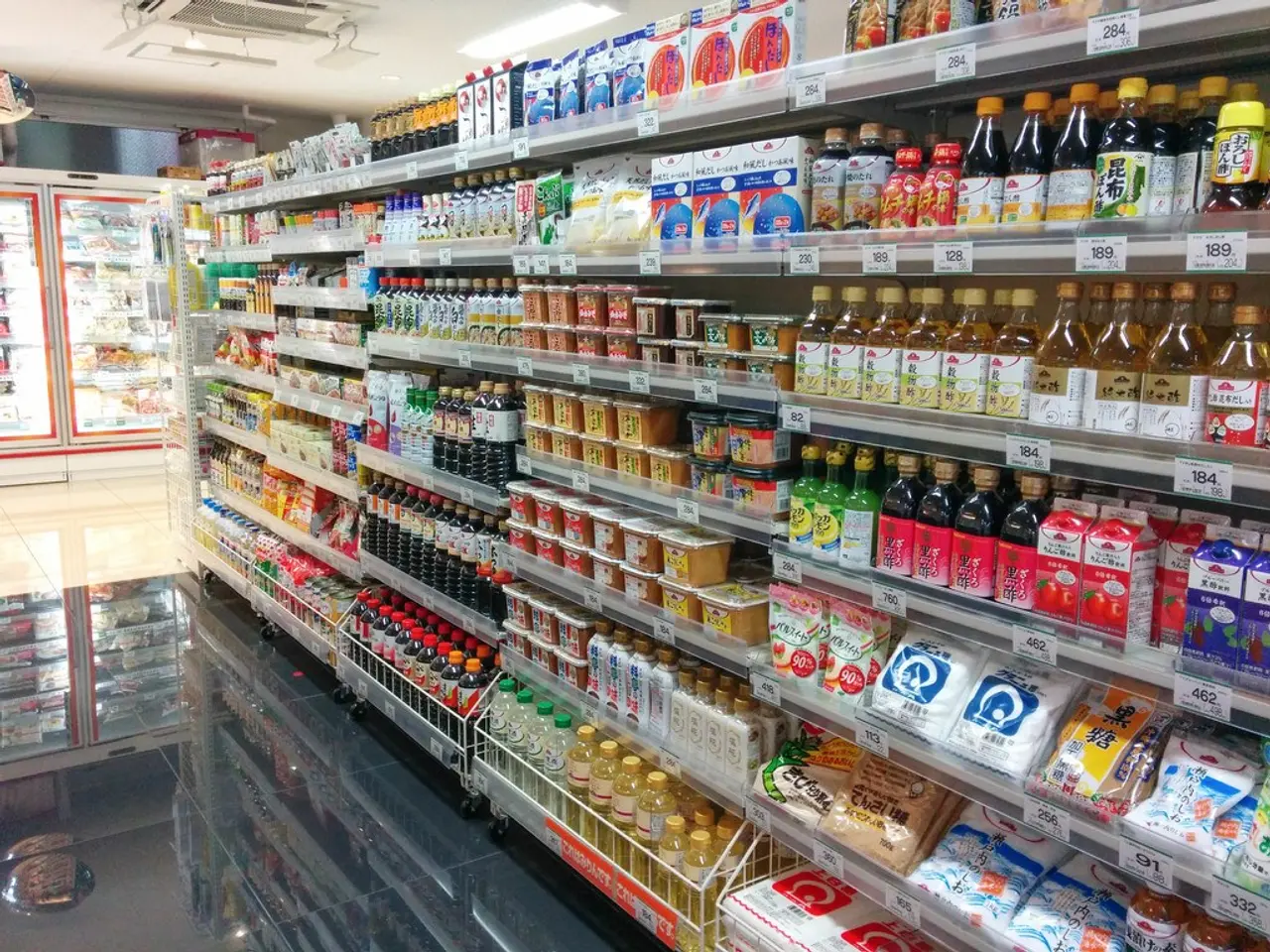
Food costs continue to squeeze American households as key staples reach record prices. Beef and coffee have seen sharp increases, with beef hitting 15% annual rises and coffee up by 19%. Meanwhile, overall inflation has eased to 2.4%, but grocery bills remain a major concern for millions. Beef prices have surged to historic highs, driven by U.S. cattle herds shrinking to their lowest levels in 70 years. Experts warn that relief for beef costs is unlikely before late 2027. Coffee has also jumped, with annual price hikes of 19%, adding to the strain on household budgets.
The pressure is widespread: 90% of American adults now report stress over grocery expenses. Restaurant prices are expected to climb by 4.6% each year, while food-at-home costs will rise another 1.7% in 2026. Even as inflation cools, everyday items keep getting more expensive. Some households are turning to alternative income sources to cope. A business earning between $5,000 and $10,000 monthly can absorb a $200 grocery increase more easily. Business ownership, in particular, offers income growth that outpaces inflation, providing a buffer against rising costs.
With beef prices set to stay high until at least 2027 and coffee costs climbing, grocery bills will remain a burden. The steady rise in food-at-home prices and restaurant costs means households must adapt. For those who can, additional income streams may help offset the financial strain.
Read also:
- Federal Funding Supports Increase in Family Medicine Residency Program, Focusing on Rural Health Developments
- Potential Role of DHA in Shielding the Brain from Saturated Fats?
- Alternative Gentle Retinoid: Exploring Bakuchiol Salicylate for Sensitive Skin
- Hanoi initiates a trial program for rabies control, along with efforts to facilitate the transition from the dog and cat meat trade industry.