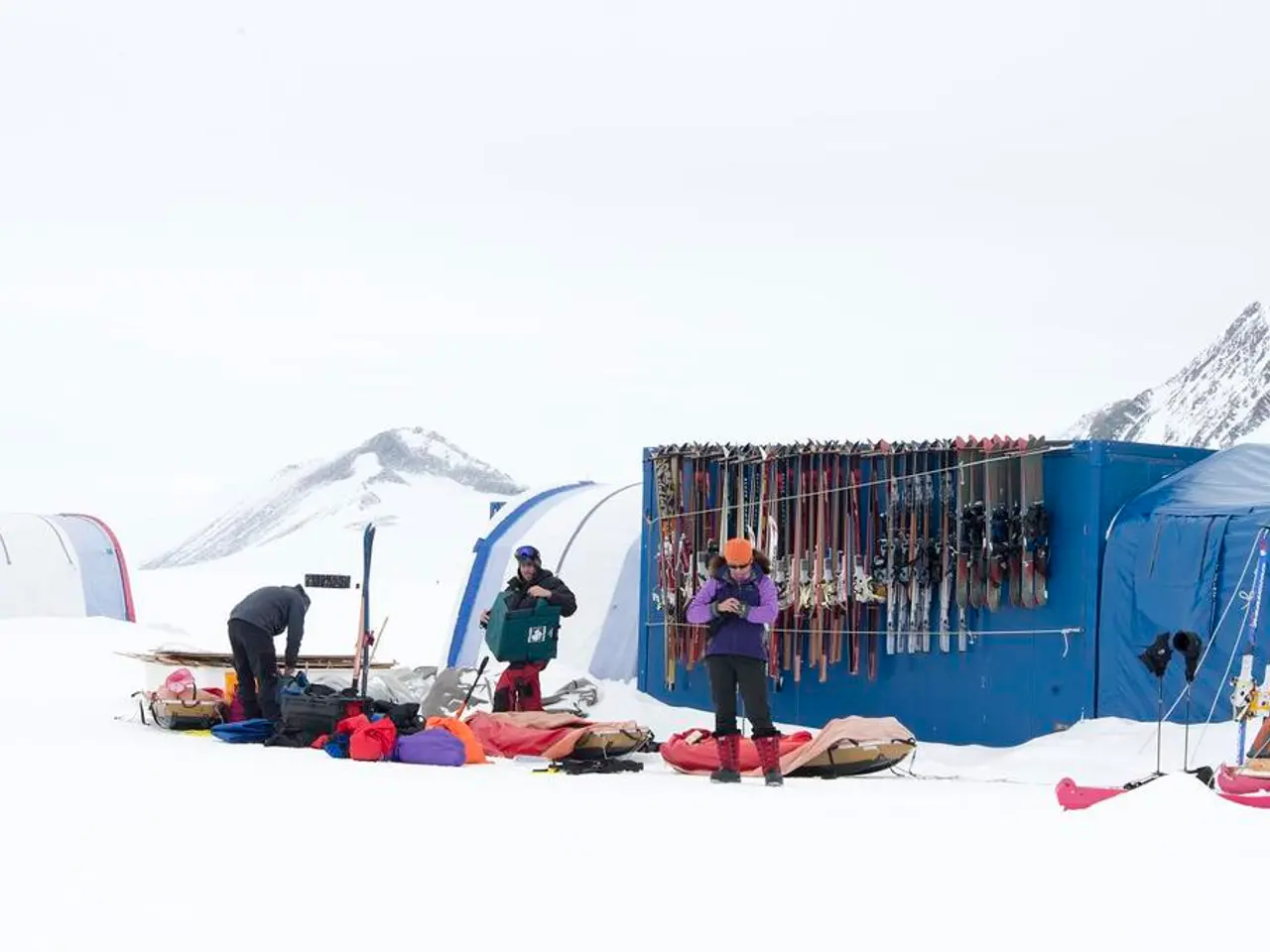
Remainder of the deceased yet to be retrieved from the summit.
High Mountain Recovery Challenges: A Comparative Analysis
Mountains, such as Everest, the Alps, and Laila Peak in Pakistan, present unique recovery challenges due to variations in altitude, climate, acclimatization time, and physiological stressors.
Altitude and Hypoxia
Higher peaks, like Everest (~8848 m), expose climbers to more severe hypoxia (low oxygen), increasing the risks of acute mountain sickness, high-altitude cerebral edema, and high-altitude pulmonary edema. These conditions slow recovery as the body needs to repair tissue damage and restore oxygen delivery.
Acclimatization and Ascent Rate
Proper acclimatization with gradual ascent and rest days improves recovery by allowing physiological adaptations that reduce edema and hypoxic stress. Rapid ascents cause more severe symptoms and slower recovery across all mountains.
Dehydration and Nutrition
High altitudes increase dehydration risk due to cold, dry air, increased urination, and respiratory water loss. Dehydration thickens blood, reducing oxygen circulation and impairing recovery. Maintaining hydration and a high-carbohydrate balanced diet supports energy demands and electrolyte balance.
Temperature and Environmental Stress
Extreme cold at high elevations (e.g., Everest) increases pulmonary artery pressure, worsening pulmonary edema risk and delaying recovery compared to lower, milder alpine conditions. The Alps (generally lower altitude than Everest) may pose slightly less severe cold and hypoxia challenges but still require careful adaptation strategies.
Physical Exertion
Overexertion accelerates hypoxic damage and delays recovery by triggering an exaggerated sympathetic response and worsening ventilatory control. Slow, steady pacing enhances acclimatization and recovery.
Mountain-Specific Challenges
| Feature | Mount Everest | Alps | Laila Peak (Pakistan) | |-----------------------|---------------------------------------|-------------------------------------------|---------------------------------------------| | Elevation | ~8848 m | Typically 3000-4800 m | ~6096 m | | Hypobaric hypoxia | Severe due to extreme altitude | Moderate to mild depending on peak height | High but less severe than Everest | | Temperature stress | Extreme cold and dryness | Varied, generally less extreme cold | Cold, with high altitude conditions | | Acclimatization time | Longer needed for safe ascent | Shorter due to lower elevation | Intermediate; altitude requires acclimatization | | Recovery challenges | High risk of AMS, HACE, HAPE delays | Risk of altitude sickness, but lower risk | Moderate risk; factors similar to Everest but less severe |
Recovery Practices
In the Bavarian Alps, every mountain fatality must be recovered, according to the Police Headquarters of Upper Bavaria South in Rosenheim. However, on Mount Everest, some bodies remain for years and decades, sometimes in plain sight of the routes. If a guide dies, the affected companies or Sherpas take the initiative to recover the body. The cost of transporting a body from Mount Everest can range from 100,000 dollars upwards, depending on the location.
In most cases, the families of the deceased bear the recovery costs, as outlined in the Funeral Act and Ordinance for the Bavarian Alps. In cases of missing persons in the Bavarian Alps, an intensive search is conducted until the person is found or all search possibilities are exhausted. Recovery is immediate unless there's an increased risk to the rescue teams or adverse weather conditions.
Recent Events
This year, at least two other climbers have died in the region around Laila Peak, including Laura Dahlmeier, a former biathlete, who died in an avalanche on July 28th, 2023, on the 6,096-meter-high Laila Peak in the Karakorum range in Pakistan. Dahlmeier's management stated that she requested her body remain in the mountain if helpers would put their lives at risk during the recovery.
The melting of ice and snow in recent years has made some bodies visible again on Mount Everest. The Himalayan Database estimates around 340 deaths on Mount Everest between 1921 and 2024, while on the second-highest peak, K2, around 90 deaths have occurred since the 1930s.
Cleanup Operations
Cleanup operations on several eight-thousanders in the Himalayas resulted in the retrieval of 11 tons of waste and five bodies. Despite these efforts, about half of the Everest deaths are believed to still be on the mountain, due to non-recovery or impossible recovery.
In conclusion, recovery from high mountain exposure depends on altitude severity, acclimatization quality, hydration and nutrition, temperature, and exertion level. Mount Everest presents the greatest physiological challenges due to extreme hypoxia and cold, demanding the longest and most careful acclimatization and recovery. The Alps, with generally lower altitudes, pose less extreme stress, allowing somewhat faster recovery. Laila Peak, while high, is intermediate in challenge between the Alps and Everest but still requires careful attention to acclimatization and hydration for optimal recovery.
- The science of high mountain recovery challenges offers valuable insights into workplace-wellness strategies, particularly for those with medical-conditions and chronic-diseases, such as type-2-diabetes, respiratory-conditions, and eye-health issues.
- Proper acclimatization in the workplace, similar to mountaineering, can help employees manage hearing difficulties and other hearing-related issues, ensuring a healthier and more productive work environment.
- Fitness-and-exercise routines, tailored to the specific needs of employees, can aid in alleviating symptoms of autoimmune-disorders, enhancing overall health and wellness in the workplace.
- Climate-change mitigation efforts, including the promotion of renewable-energy in the manufacturing industry, can contribute to better employee health by reducing air pollution levels and the associated respiratory health issues.
- Skin-care awareness is crucial in industries where employees are exposed to harsh weather conditions or chemicals, ensuring protection against skin-conditions and long-term skin-health.
- Therapies-and-treatments for mental health and stress management can help employees cope with the pressures of the workplace, akin to the mental fortitude required in high-altitude mountaineering.
- The high-performance industry, including sports, finance, energy, and automotive sectors, can benefit from the lessons learned about physical exertion and recovery, ensuring employees are not overworked and maintain optimal performance levels.
- Public-transit systems should prioritize energy-efficient vehicles to reduce pollution levels, benefiting overall eye-health and respiratory health among commuters.
- Entrepreneurship and business leadership in the transportation sector can address the challenges of climate-change and pollution, fostering a more sustainable future for all.
- Diversity and inclusion strategies in the workplace, much like the need for a diverse mix of skills in an expedition team, can lead to improved team dynamics, creativity, and problem-solving capability.
- The automotive industry can invest in innovative technologies and eco-friendly vehicles to reduce the impact of oil-and-gas consumption on health issues arising from air pollution.
- Retail establishments, particularly those in urban areas, can implement sustainable practices in their operations, ensuring that they contribute positively to environmental health rather than contributing to air and noise pollution.
- Efficient public-transit systems can reduce car-accidents and contribute to general-news about safer, cleaner, and more navigable cities.
- Fostering a culture of safety in the transit industry can help mitigate crime-and-justice issues related to accidents and fires, ensuring a safer environment for commuters.
- Enhanced sports-betting regulations and monitoring can help address issues of crime-and-justice associated with illegal gambling activities, ensuring a fair and safe environment for sports enthusiasts.
- Mixed-martial-arts tournaments can incorporate leadership and diversity-and-inclusion initiatives, fostering a more diverse and inclusive martial-arts community.
- The venture-capital industry can invest in emerging environmental-science and clean-technology startups, addressing the challenges posed by climate-change and air pollution.
- Personal-finance guidance can help individuals make informed decisions about investing in banking-and-insurance industries, ensuring they have access to the services they need for their current and future health needs.
- Fintech solutions can streamline the process of health and life insurance policies, making it easier for individuals to access the coverage they need in times of medical emergencies.
- Real-estate developments can prioritize green spaces and sustainable building materials to promote healthier living environments, reducing the prevalence of skin-conditions and respiratory issues.
- Commercial construction should prioritize energy-efficient systems and materials, reducing the carbon footprint of businesses while promoting overall health and wellness.
- Residential real-estate can integrate smart home automation features to improve energy efficiency, reducing pollution levels and benefiting respiratory health within households.
- Stock-market investments in renewable-energy companies can help mitigate the impact of climate-change and air pollution, promoting investor’s long-term health and wellness.
- Private-equity investments in healthtech and biotech startups can contribute to breakthroughs in therapies and treatments, ultimately benefiting the public's overall health and wellness.
- Budgeting software can help individuals manage their finances, promoting financial stability and reducing stress levels associated with financial difficulties.
- The increasing focus on space-and-astronomy research can lead to breakthroughs in medicine and healthcare, benefiting human health long term.
- Aviation and aerospace industries should prioritize air quality initiatives to reduce pollution levels, benefiting overall health and wellness among aircrews and passengers.
- The development of the housing-market should prioritize affordable and accessible housing to ensure that the needs of diverse communities are met, promoting a more inclusive and equitable society.