Republican Bill Seeks to Make Greenland America’s 51st State—Despite Fierce Opposition
A Republican lawmaker has proposed a controversial bill, backed by former President Donald Trump, to annex Greenland as the 51st U.S. state. Trump had previously expressed interest in acquiring the Arctic territory, despite strong opposition from Denmark and Greenland itself.
Denmark has rejected the idea, deeming it a violation of international agreements and territorial sovereignty. Meanwhile, Greenland's government insists that any discussions must go through proper diplomatic channels, with local surveys showing 85% of residents against U.S. annexation.
Trump's push to acquire Greenland first gained attention in 2019 when he publicly floated the idea of purchasing the island. At the time, Denmark dismissed the suggestion as absurd, and the issue seemed to fade. However, the newly proposed bill has reignited concerns, particularly within NATO, where Trump's past remarks about potential military involvement in Greenland raised alarms.
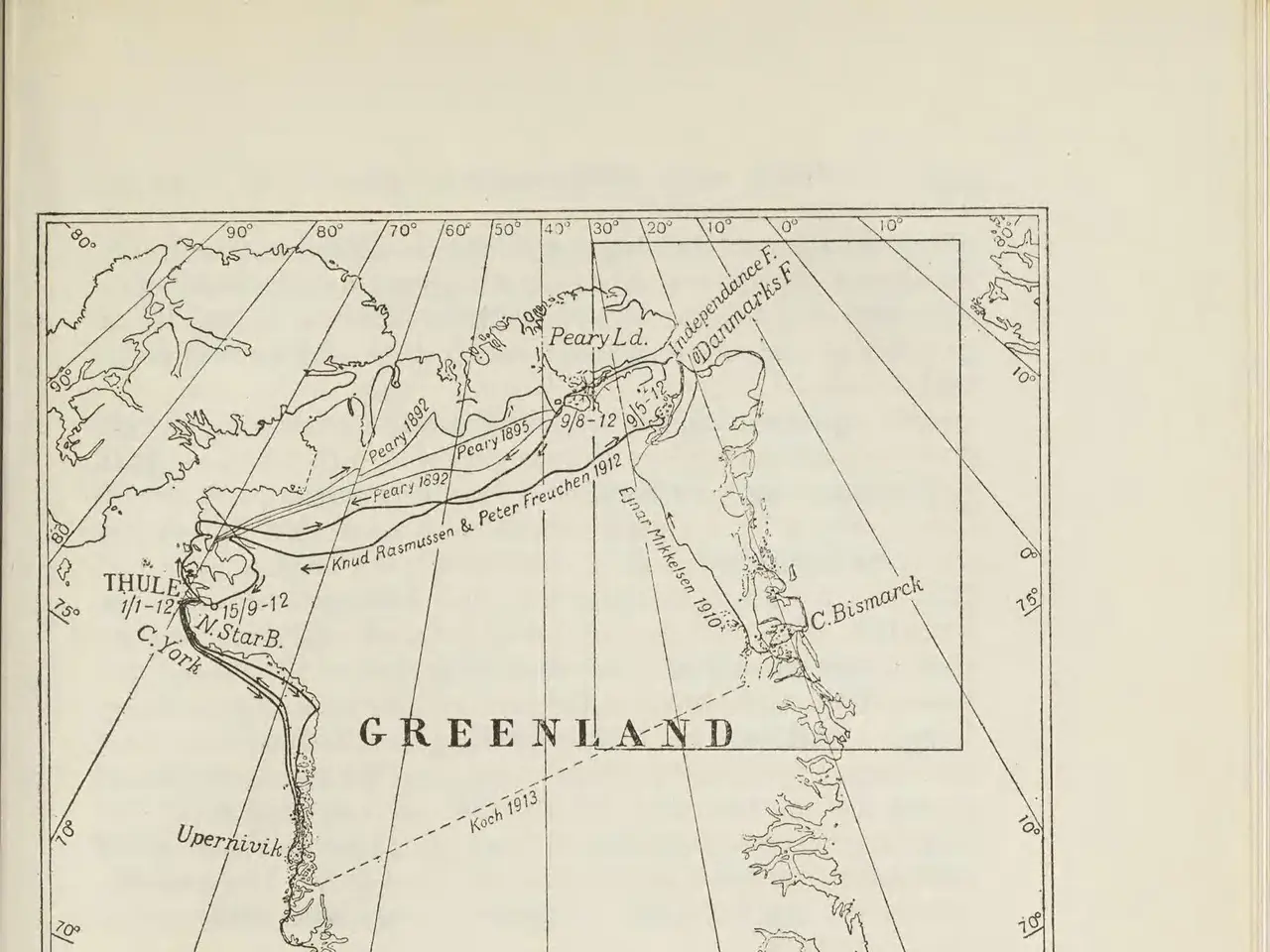
The island's strategic importance has grown in recent years due to its melting ice sheet. This environmental shift has opened up access to untapped natural resources and new Arctic shipping routes, making Greenland a focal point in global geopolitics. The U.S. has long viewed the region as critical for defence and economic interests. In early January 2026, Trump appointed a special envoy to explore acquisition options. Reports suggest that military use of Greenland remains under consideration, though Denmark has warned that any forceful takeover would lack legal basis. NATO membership complicates matters, as Denmark's territorial rights are protected under alliance agreements. Greenland's government has stressed the need for respectful dialogue but remains steadfast in its rejection of annexation. Local leaders argue that any decision about the island's future must involve its people, who overwhelmingly oppose the proposal. Danish officials have reinforced their stance, calling the U.S. moves a serious provocation with no foundation in international law.
The bill to annex Greenland faces major obstacles, from Denmark's outright rejection to the island's own resistance. With NATO obligations in play and no legal pathway for a forced acquisition, the proposal's future remains uncertain. For now, diplomatic tensions persist as both sides hold firm on their positions.
Read also:
- American teenagers taking up farming roles previously filled by immigrants, a concept revisited from 1965's labor market shift.
- Weekly affairs in the German Federal Parliament (Bundestag)
- Landslide claims seven lives, injures six individuals while they work to restore a water channel in the northern region of Pakistan
- Escalating conflict in Sudan has prompted the United Nations to announce a critical gender crisis, highlighting the disproportionate impact of the ongoing violence on women and girls.