Republicans push second reconciliation bill to bypass Democrats in Senate
Congressional Republicans are pushing forward with a second reconciliation bill this year. The move aims to bypass Democratic opposition by using a simple majority vote in the Senate.
The proposed legislation could cover election security, immigration enforcement, and energy permitting reforms. Lawmakers are still in the early stages of planning, with key details yet to be finalised. Republicans are targeting parts of their election security legislation, the SAVE America Act, for inclusion. The bill would avoid a Democratic filibuster by using the reconciliation process, which requires only 51 votes instead of the usual 60.
The Senate Budget Committee has signalled it will act quickly on the new party-line budget bill. However, the Senate Parliamentarian has set strict rules: only provisions with a direct budgetary impact can be included. Past rulings have blocked unrelated measures in similar attempts since the 1980s.
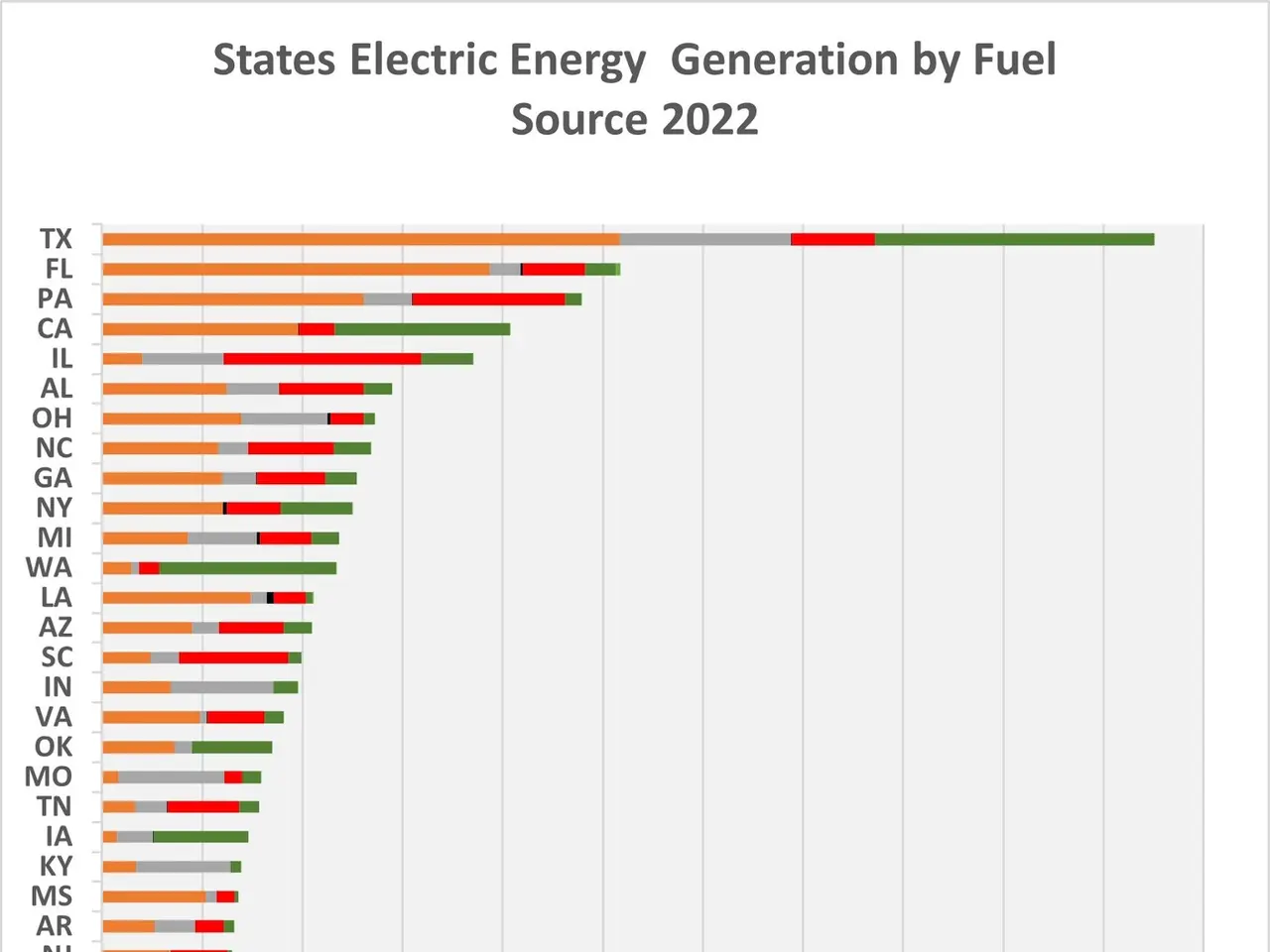
Energy policy remains a major focus. House Energy and Commerce Chair Brett Guthrie (R-Ky.) wants to include permit reforms to speed up pipelines and transmission lines. Rep. Kevin Hern (R-Okla.) also backs streamlining these processes. Meanwhile, the Republican Study Committee's framework calls for scrapping energy efficiency standards and overhauling regulations.
Other priorities include funding for struggling farmers, as mentioned by Sen. John Hoeven (R-N.D.). House Natural Resources Chair Bruce Westerman (R-Ark.) has his own goals but admitted final decisions rest with party leaders. The bill may also address immigration enforcement and potential U.S.-Israel military action against Iran.
Uncertainty remains over which energy policies will make the final cut. Lawmakers are still negotiating what can pass under reconciliation rules. The bill's success depends on meeting the Senate's budget rules. If passed, it would advance Republican priorities on elections, immigration, and energy without Democratic support.
The process is moving forward, but key details—including funding and policy scope—are still being worked out.
Read also:
- American teenagers taking up farming roles previously filled by immigrants, a concept revisited from 1965's labor market shift.
- Weekly affairs in the German Federal Parliament (Bundestag)
- Landslide claims seven lives, injures six individuals while they work to restore a water channel in the northern region of Pakistan
- Escalating conflict in Sudan has prompted the United Nations to announce a critical gender crisis, highlighting the disproportionate impact of the ongoing violence on women and girls.