Reunification's Mixed Legacy: Rostock's Boom and Bust
On July 1, 1990, the introduction of the D-Mark in former East Germany marked a significant turning point. Western products flooded in, signaling a new chapter. However, the joy was short-lived as the dark side of structural change began to show in 1991, with job losses and lack of prospects in the region.
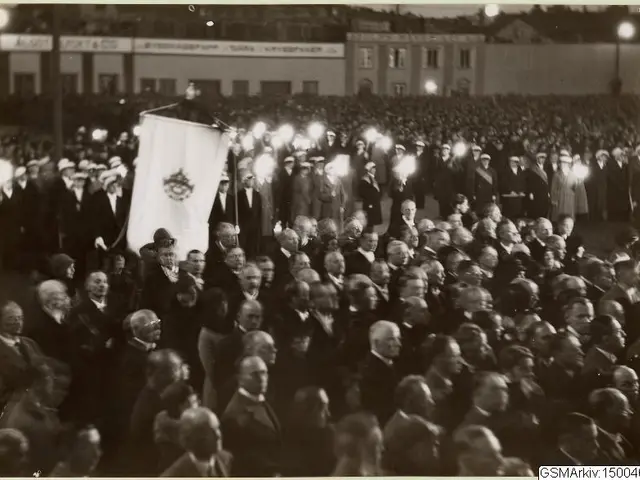
The fall of the Berlin Wall on November 9, 1989, and subsequent reunification on October 3, 1990, were preceded by months of peaceful revolution. In Rostock, the citizens' movement started with silent prayers and grew into a loud call for reform, democracy, and justice by the end of the 80s. The day of reunification was marked by 'deafening jubilation' but also incidents like a knife fight between right-wing skinheads and Vietnamese.
The introduction of the D-Mark brought a rush of Western products, but it also led to the loss of many jobs and lack of prospects in the region. More than 50,000 people left Rostock with the Wende, but the city's industries recovered, and the cityscape changed positively. The Stasi documents in Rostock were burned by the Stasi itself in late 1989 and early 1990, in an attempt to destroy evidence before the secret police was officially dissolved. Despite guarding, numerous files were burned at the former Stasi headquarters in Rostock on December 5 and 6, 1989.
The Day of German Unity commemorates the reunification of Germany in 1990. Despite the challenges faced, the city of Rostock has grown significantly, with its population rising from 69,000 in 1947 to 250,000 in 1987, reflecting its importance in the GDR economy. The first official round table in Rostock focused on environmental protection, housing situation, and distribution of buildings for commerce, highlighting the city's commitment to progress and change.
Read also:
- American teenagers taking up farming roles previously filled by immigrants, a concept revisited from 1965's labor market shift.
- Weekly affairs in the German Federal Parliament (Bundestag)
- Landslide claims seven lives, injures six individuals while they work to restore a water channel in the northern region of Pakistan
- Escalating conflict in Sudan has prompted the United Nations to announce a critical gender crisis, highlighting the disproportionate impact of the ongoing violence on women and girls.