Rhineland-Palatinate's tiny parliament offices blend work, life, and politics
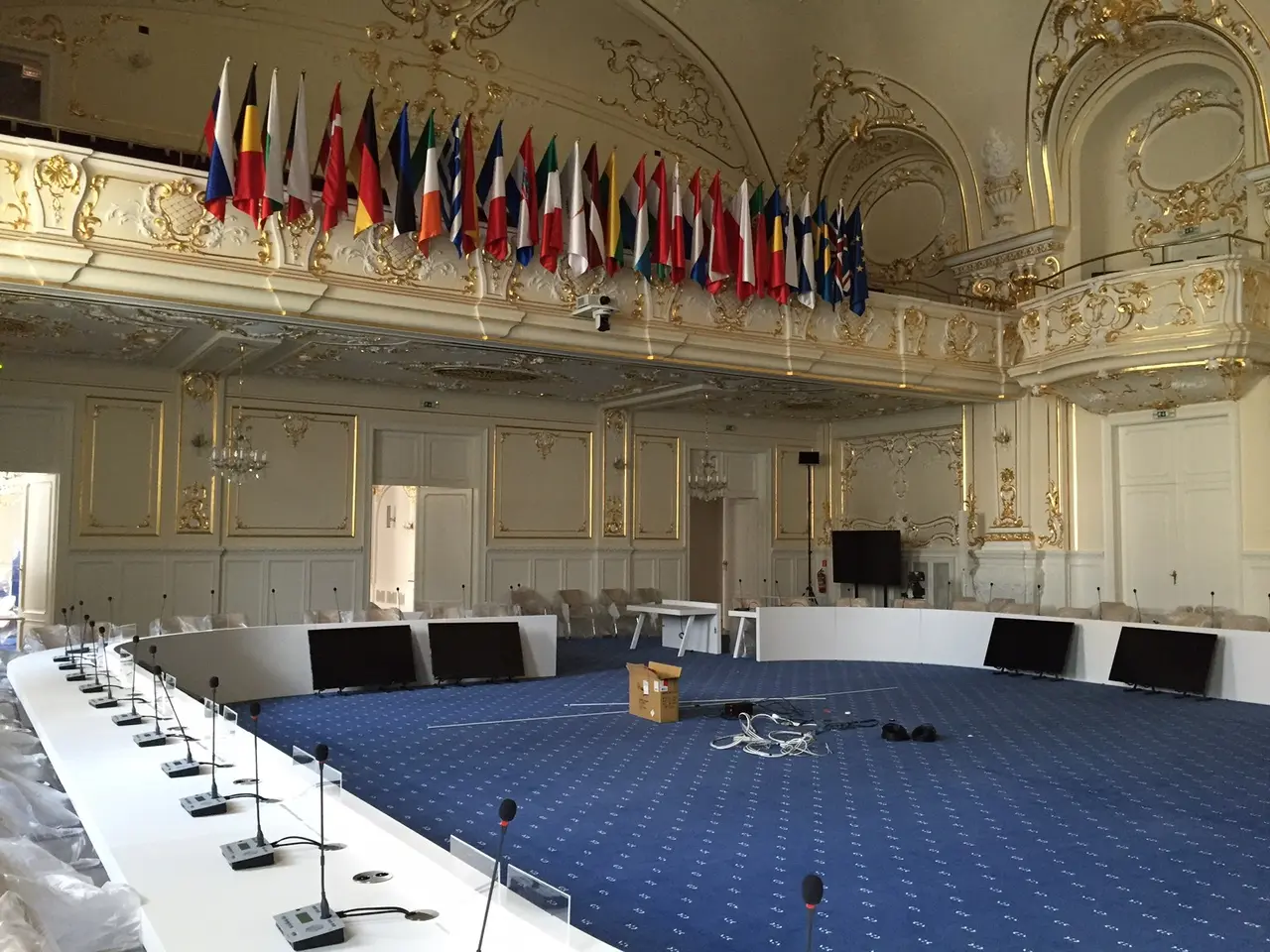
Lawmakers in Rhineland-Palatinate's state parliament have worked and lived in compact studio offices for years. The 230-square-foot spaces
The building, now showing its age, has struggled with unreliable air conditioning and odd quirks—like unplanned views into neighbouring offices. Despite this, many politicians appreciate the convenience. Stephan Wefelscheid of the Free Voters party pays just €91.38 per quarter in secondary residence tax for the arrangement.
For over a decade, these offices have hosted confidential talks and social events. SPD members often meet in the so-called 'Golden Corner' during evenings, sometimes joined by colleagues from other parties. Marcus Klein, CDU parliamentary manager, notes that lawmakers from wine-growing regions occasionally host gatherings, adding to the informal atmosphere. Most rarely use the kitchenettes in their offices. Instead, the rooftop terrace has become a favoured spot for socialising. Premier Alexander Schweitzer, parliamentary president Hendrik Hering, and opposition leader Gordon Schnieder are among those who occasionally stay overnight. Hering calls the setup 'a fantastic thing,' highlighting how it saves time and encourages cross-party discussions. Lana Horstmann, an SPD lawmaker, describes the living conditions as 'pretty cool' but far from luxurious. The building's age and quirks haven't dampened its role as a hub for both work and informal connections.
The parliament's compact offices remain a practical solution for lawmakers balancing work and accommodation. While the building shows wear, its layout continues to foster spontaneous conversations and cross-party interactions. For now, the arrangement stays in place, offering a mix of convenience and community for those who use it.
Read also:
- American teenagers taking up farming roles previously filled by immigrants, a concept revisited from 1965's labor market shift.
- Weekly affairs in the German Federal Parliament (Bundestag)
- Landslide claims seven lives, injures six individuals while they work to restore a water channel in the northern region of Pakistan
- Escalating conflict in Sudan has prompted the United Nations to announce a critical gender crisis, highlighting the disproportionate impact of the ongoing violence on women and girls.