Runway Intrusions: Potential Hazards and Safeguard Methods
Revised Article:
Runway incursions, a potentially deadly occurrence, are rampant in the US, with an average of 1600 happening annually, as highlighted by FAA data. GA pilots, accounting for almost half of these incidents, need to clean up their act to lessen these dangerous occurrences.
Despite the FAA labeling runway incursion reduction as a top priority, no significant or sustained reduction has been observed in recent years. Curious about what constitutes a runway incursion, how they happen, and ways to avoid them? Read on.
Runway Incursion 101
The Federal Aviation Administration (FAA) defines a runway incursion as "any occurrence at an airport where an unauthorized presence of an aircraft, vehicle, or individual is found on the active runway or taxiway designed for aircraft landing and takeoff." This includes taxiways and runways under air traffic control (ATC) at towered airports.
Incidents are categorized into types - operational, pilot, or vehicle/pedestrian deviations - and severity, categorized into five grades: accident, category A, category B, category C, and category D, depending on factors such as aircraft speed, proximity, environmental conditions, evasive action, and available reaction time.
The Causes and Consequences of Runway Incursions
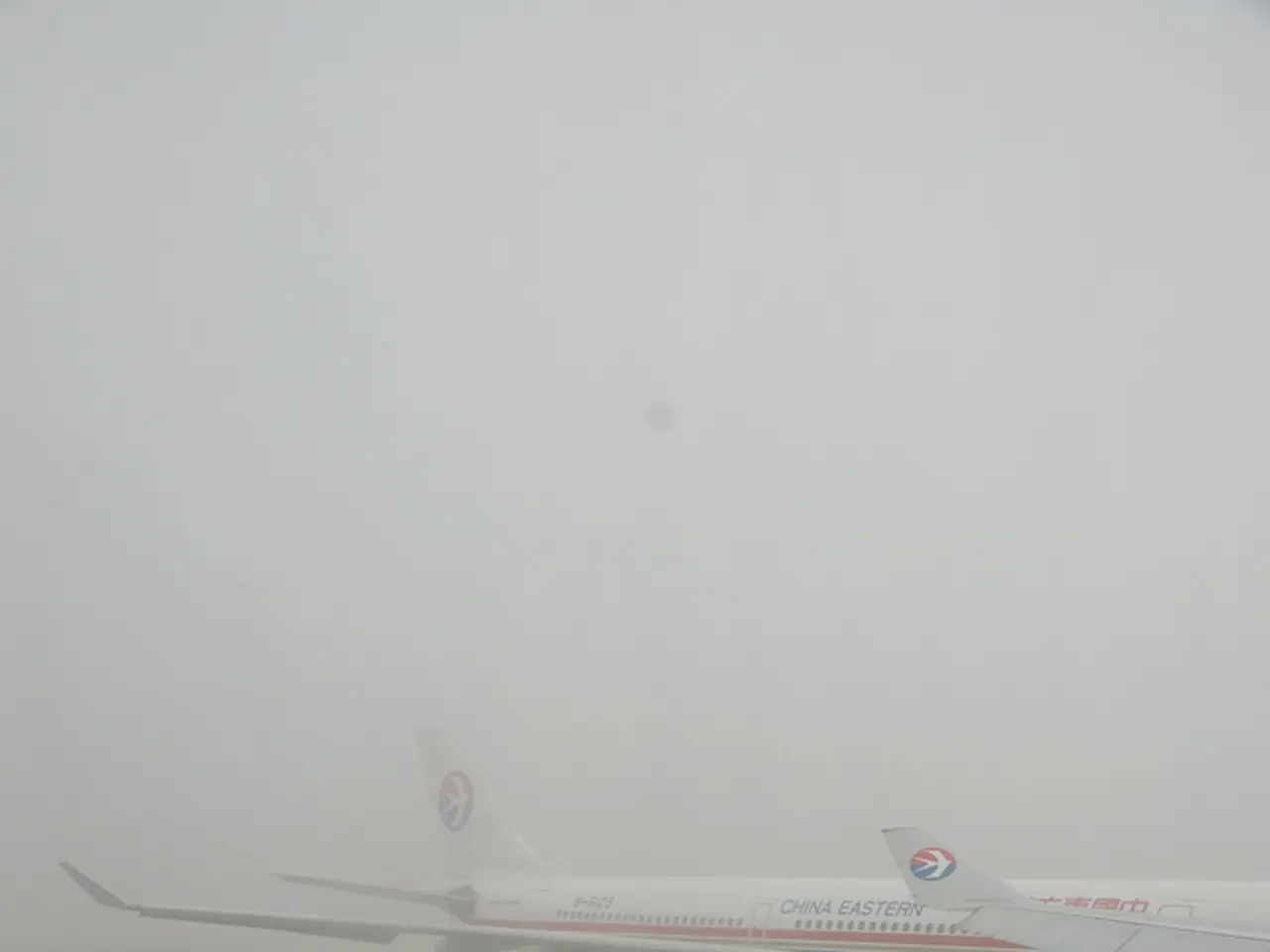
The infamous 1977 Tenerife airport disaster is a grim reminder of the catastrophic consequences of runway incursions. Two Boeing 747s collided due to miscommunication and poor weather conditions, resulting in 583 fatalities and 61 survivors.
In 2016 FAA data showed that over two-thirds of all runway incursions were pilot-related, with 50% of those occurred due to a lack of compliance with hold-short instructions, failure to listen to ATC, or failed to secure clearance before departing. Communication errors and pilot distractions were significant contributing factors.
What We Can Do to Prevent Runway Incursions
- Stay alert and follow ATC instructions properly.
- Memorize runway markings and know the airport layout.
- Avoid distractions and ensure clear communication with ATC.
- Practice the Sterile Cockpit Rule, especially when taxiing.
- Mark taxi clearances on your airport diagram and don’t be afraid to ask for progressive taxi instructions if needed.
- Familiarize yourself with airport diagrams before flying there.
- Maintain continuous learning and adhere to safety procedures to ensure currency and competence.
Modernizing the aviation industry with improved surveillance systems, enhanced training, and advanced simulators for air traffic controllers is crucial in reducing runway incursions. General aviation pilots, in particular, must take responsibility and ensure they are well-trained, aware, and compliant to protect everyone on the busy skies and ground below.
The aviation industry, with its focus on modernization, could benefit from improved surveillance systems to enhance the safety of runways and reduce incursions. General aviation pilots, contributing significantly to runway incursions, should prioritize increased training and adherence to safety procedures to lessen the number of dangerous occurrences in the transportation sector, particularly within the aviation finance realm.