Russia's €6 Billion Fossil Fuel Boom Defies Sanctions and Global Tensions
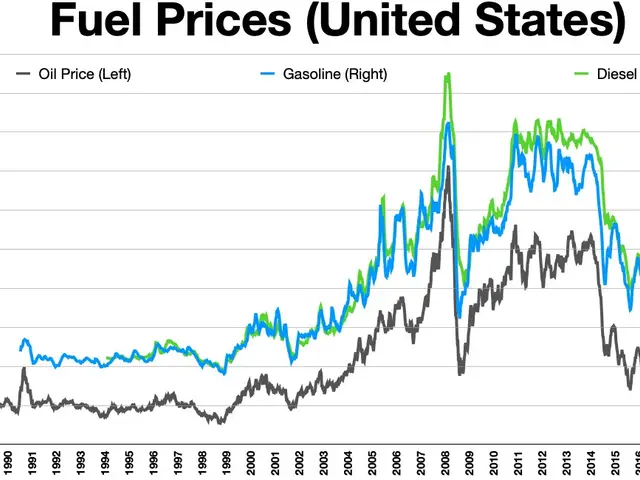
Russia's fossil fuel trade remains strong despite international tensions. In less than two weeks, the country earned an estimated €6 billion from exports. Meanwhile, debates over sanctions continue, with the US considering easing restrictions to stabilise energy markets.
Russia's revenue from fossil fuel sales has surged. In the week after recent strikes, daily earnings averaged €510 million. Analysts suggest this income could fund large-scale purchases—enough to buy around 17,000 Shahed 136 attack drones each day.
The US has taken mixed steps on sanctions. The Trump administration is weighing broader relief to secure global oil supply and reduce prices. Earlier, US Treasury Secretary Scott Bessent granted India a 30-day waiver on Russian oil imports.
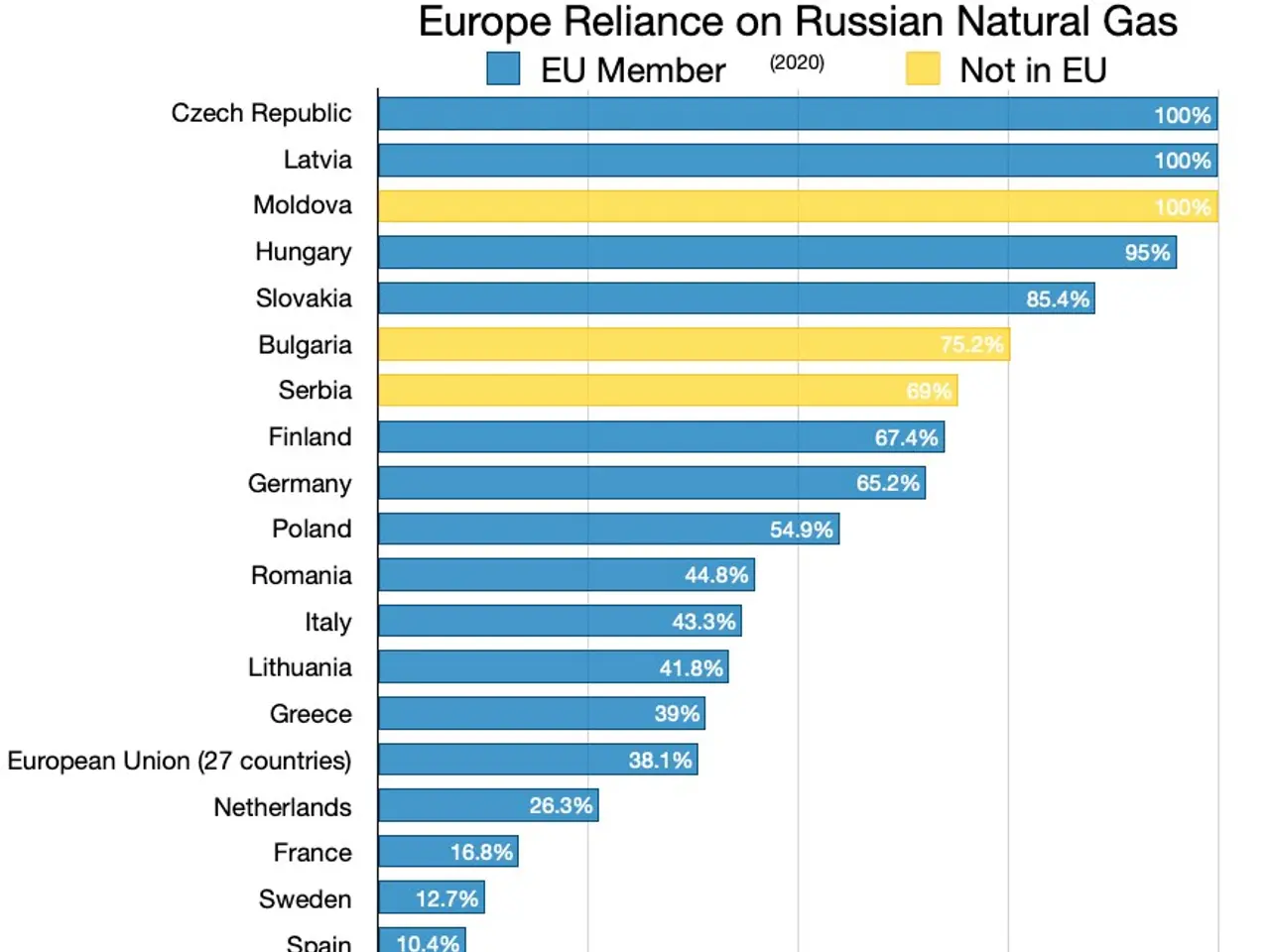
Europe's reliance on Russian energy persists. In February 2026, all Yamal LNG cargoes were delivered to EU ports, marking a slight 0.4% increase from the previous year. The total value of these imports could reach €690 million. Russia's Arctic LNG operations depend heavily on European infrastructure, especially during winter.
EU officials and the International Energy Agency chief have warned against loosening sanctions. They argue that such moves could undermine efforts to reduce dependence on Russian energy.
Russia's fossil fuel exports continue to generate massive revenues. The US may relax sanctions, while Europe remains a key buyer of Russian LNG. These developments highlight the ongoing tension between economic interests and geopolitical pressure.
Read also:
- American teenagers taking up farming roles previously filled by immigrants, a concept revisited from 1965's labor market shift.
- Weekly affairs in the German Federal Parliament (Bundestag)
- Landslide claims seven lives, injures six individuals while they work to restore a water channel in the northern region of Pakistan
- Escalating conflict in Sudan has prompted the United Nations to announce a critical gender crisis, highlighting the disproportionate impact of the ongoing violence on women and girls.