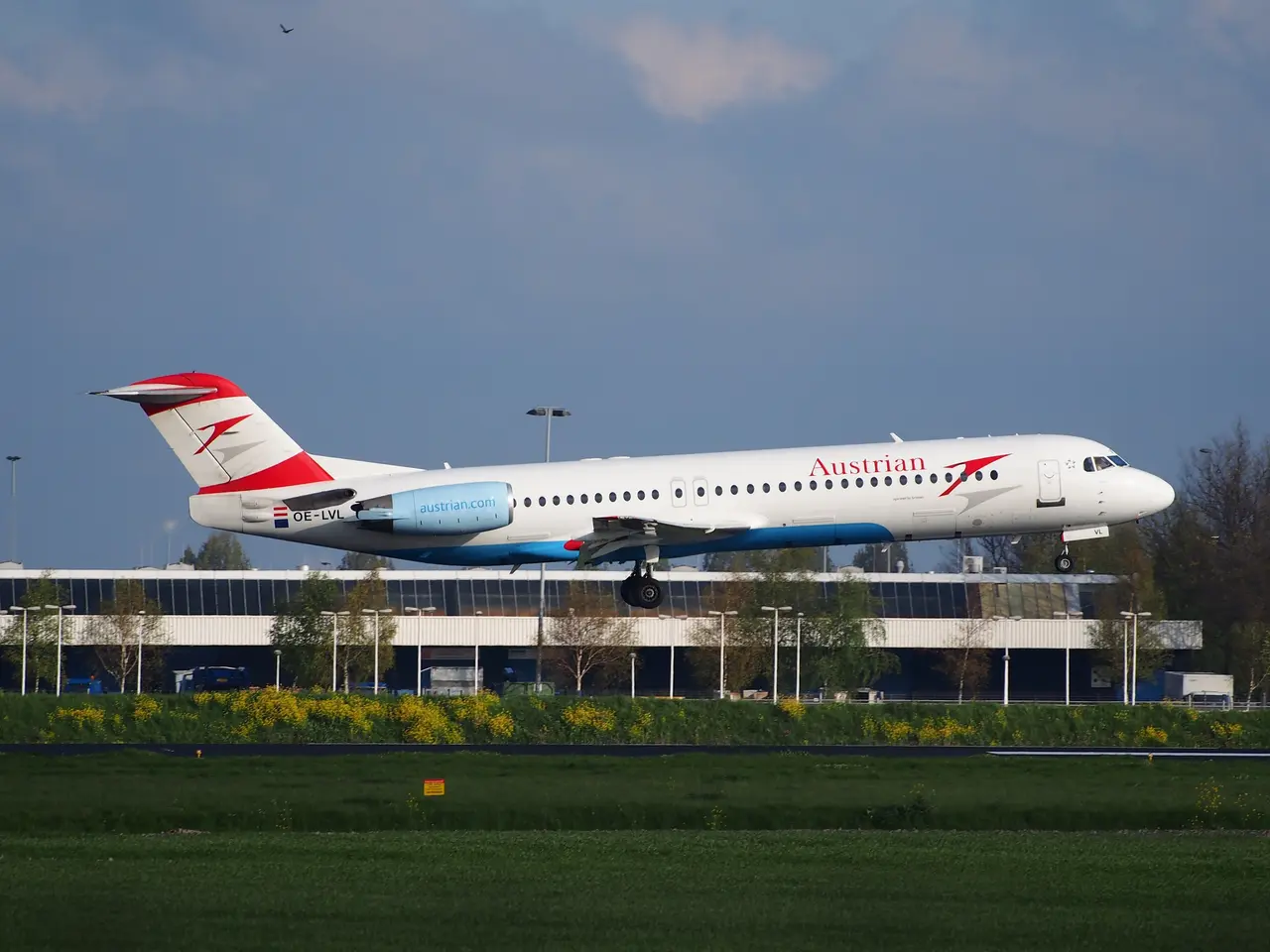
Ryanair adds 300,000 summer seats despite Germany's airport chaos and political tensions
Ryanair has boosted its summer schedule by adding 300,000 extra seats as a gesture of goodwill. The move comes amid ongoing challenges with flight disruptions and political tensions over airport operations in Germany.
The airline's expansion follows years of fluctuating demand, with passenger numbers now rebounding beyond pre-pandemic levels.
Ryanair's presence in Germany has seen dramatic shifts since 2020. COVID-19 restrictions slashed annual flights from over 100,000 to around 40,000 in 2021. By 2024, however, demand surged, pushing operations to roughly 120,000 flights—exceeding pre-pandemic figures. Despite this growth, recent airspace closures due to strikes and adverse weather have forced frequent diversions, particularly affecting Berlin Brandenburg (BER), Düsseldorf (DUS), and Cologne/Bonn (CGN). Many night-time flights now reroute to Hannover after Berlin's state aviation authority (LUBB) denied exemptions.
The airline currently bases 30 aircraft in Germany, with plans to double that number to 60 by 2030. Alongside this expansion, Ryanair aims to increase annual passenger traffic from 17 million to 36 million. Yet, political hurdles remain. Marco Lietz, Ryanair's Head of Public Affairs for Germany since November 2022, has called for a clear stance from Berlin's leadership—including Dietmar Woidke, Kai Wegner, and Christian Gaebler—on resolving BER's operational issues.
Ryanair has also pushed for financial reforms, demanding the abolition of air passenger duty, a €2 cap on aviation security fees, and a €100 limit on air traffic control (ATC) charges per flight. So far, the government has shown little willingness to meet these requests. Adding to the complexity, the EU's Flight Compensation Regulation (EU 261), under review since 2013, could further impact the airline's operations if amended.
The additional 300,000 summer seats reflect Ryanair's commitment to growth in Germany. However, unresolved disputes over airport management, fees, and regulatory reforms continue to pose challenges.
With passenger numbers rising and infrastructure pressures mounting, the airline's future expansion may hinge on political and operational resolutions in the coming months.
Read also:
- American teenagers taking up farming roles previously filled by immigrants, a concept revisited from 1965's labor market shift.
- Weekly affairs in the German Federal Parliament (Bundestag)
- Landslide claims seven lives, injures six individuals while they work to restore a water channel in the northern region of Pakistan
- Escalating conflict in Sudan has prompted the United Nations to announce a critical gender crisis, highlighting the disproportionate impact of the ongoing violence on women and girls.