The Haseloff Paradox or: When Politicians Can Lie - Saxony-Anhalt’s CDU leader steps down as far-right AfD surges in polls
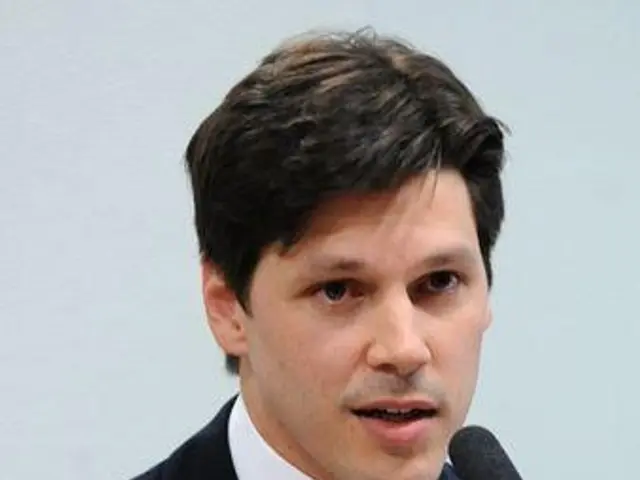
Reiner Haseloff, the long-serving minister-president of Saxony-Anhalt, has announced his resignation after initially vowing to serve his full term. The decision follows months of political pressure and shifting poll numbers that saw his party, the CDU, lose ground to the far-right AfD.
Haseloff had promised in August not to run again but to govern until the end of his term. Yet, as the AfD’s support surged to nearly 40 percent in polls, CDU colleagues urged him to reconsider. They wanted him as lead candidate one last time to counter the AfD’s rise, but he resisted.
Party insiders even floated a plan to move Haseloff to the Federal Ministry of Transport, but CDU leader Friedrich Merz blocked it. Instead, Haseloff named Sven Schulze, the current Economics Minister, as the CDU’s lead candidate for the 2026 election. He insisted at the time that he would stay in office 'in full and without compromise'. By the new year, however, the decision had changed. Haseloff agreed to step down, handing the chancellery to Schulze. The news leaked before an official announcement. Schulze will now face a secret premiership vote on January 28, 2026. If successful, he will have until early summer to establish himself before the parliamentary recess and election campaign. The stakes are high. If the AfD wins a majority, Schulze could be held responsible for a historic defeat with far-reaching consequences for the state and the CDU.
Schulze’s leadership will be tested immediately. His ability to stabilise the CDU’s support before the election will determine whether the party can halt the AfD’s momentum. The outcome could reshape Saxony-Anhalt’s political landscape for years to come.
Read also:
- American teenagers taking up farming roles previously filled by immigrants, a concept revisited from 1965's labor market shift.
- Weekly affairs in the German Federal Parliament (Bundestag)
- Landslide claims seven lives, injures six individuals while they work to restore a water channel in the northern region of Pakistan
- Escalating conflict in Sudan has prompted the United Nations to announce a critical gender crisis, highlighting the disproportionate impact of the ongoing violence on women and girls.