Ash Diamond or Forest Grave? What is allowed in Saxony - Saxony May Overhaul Strict Burial Laws by Year’s End
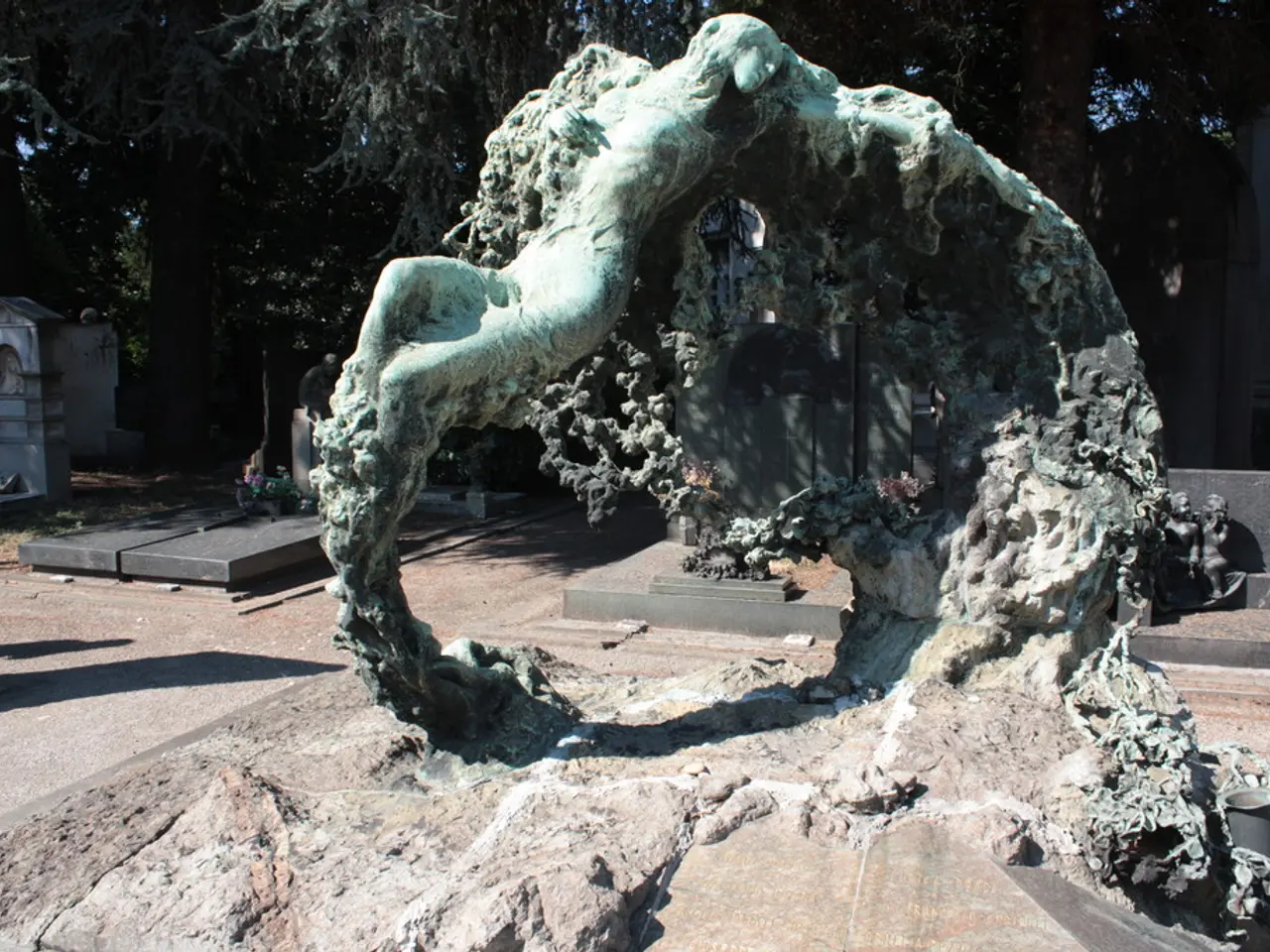
Saxony is reviewing its burial laws, which could lead to significant changes. The state is currently the only one in Germany that mandates the use of a casket and prohibits alternative burial methods like burials at sea or in private gardens. Cremation is the preferred choice, with around 90% of funerals opting for it. However, ashes must be interred within six months. The cost of graves varies by city, with Dresden's prices being among the highest.
Dresden charges €780 for a standard in-ground grave with a 20-year lease and €662 for an urn grave. In contrast, Leipzig offers these at €415 and €208 respectively, plus a one-time usage fee of €420. Chemnitz's prices start at €423 for in-ground graves and €354 for urn plots, with an additional €85 base fee. These costs are subject to regular increases, though not uniformly across municipalities.
Talks are ongoing to reform Saxony’s burial law, with a decision expected by the end of the year. Potential changes could include new forms of burial to reflect religious and cultural diversity, such as shroud burials. However, specific details for Saxony are not yet clearly defined. Currently, Saxony permits only in-ground or cremation burials, which must occur within eight working days of death confirmation. The state does not yet allow the removal of a small portion of ashes for dignified use or processing into memorial items.
Saxony's burial laws are set for a potential overhaul, which could introduce new burial options and reflect the state's diverse cultural and religious landscape. The cost of graves varies significantly by city, with Dresden being one of the more expensive options. The final decision on these changes is expected by the end of the year.
Read also:
- American teenagers taking up farming roles previously filled by immigrants, a concept revisited from 1965's labor market shift.
- Weekly affairs in the German Federal Parliament (Bundestag)
- Landslide claims seven lives, injures six individuals while they work to restore a water channel in the northern region of Pakistan
- Escalating conflict in Sudan has prompted the United Nations to announce a critical gender crisis, highlighting the disproportionate impact of the ongoing violence on women and girls.