Cabinet Approves Draft for New Police Act - Saxony's 2027 police reforms spark fierce debate over Tasers and surveillance
Saxony is set to overhaul its police laws with a new bill aimed at modernising law enforcement. Starting in 2027, officers will carry Tasers as standard equipment, marking a major shift in tactical operations. The proposed changes have already sparked heated debate across the state and at the federal level.
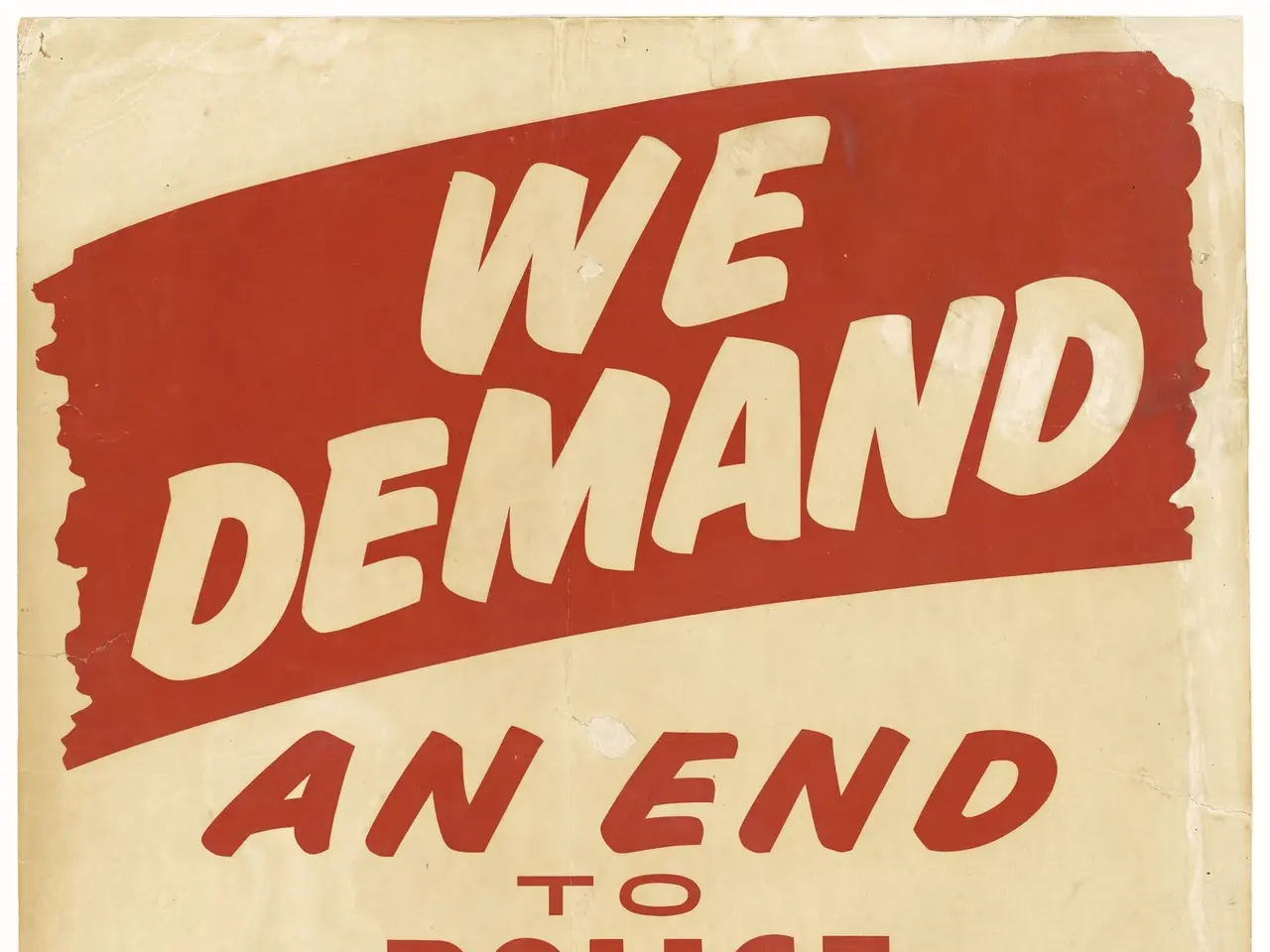
The draft law was first presented in late 2025, triggering immediate backlash. By early 2026, protests in Saxony grew as civil rights groups and left-wing organisations voiced concerns over the expanded use of force. Meanwhile, federal discussions in the Bundestag revealed deep divisions: CDU and CSU lawmakers backed the changes, arguing they would improve officer safety, while Green and Left Party representatives warned of potential misuse.
The new legislation also introduces smart video surveillance in areas with high crime rates. Automated license plate recognition, already in use, can now be deployed covertly under the updated rules. Additionally, the law sets clear guidelines for drone operations, covering both police usage and measures against unauthorised flights.
Interior Minister Armin Schuster defended the reforms, stating that citizens expect police to keep pace with technological advancements and emerging security threats. Despite the controversy, officials insist the law meets constitutional standards while addressing modern challenges.
The reforms will take effect in 2027, giving Saxon police broader powers, including routine Taser use. Public opposition and political disagreements have delayed a final vote in the Bundestag as of March 2026. The law's impact on policing and civil liberties will become clearer once fully implemented.
Read also:
- American teenagers taking up farming roles previously filled by immigrants, a concept revisited from 1965's labor market shift.
- Weekly affairs in the German Federal Parliament (Bundestag)
- Landslide claims seven lives, injures six individuals while they work to restore a water channel in the northern region of Pakistan
- Escalating conflict in Sudan has prompted the United Nations to announce a critical gender crisis, highlighting the disproportionate impact of the ongoing violence on women and girls.